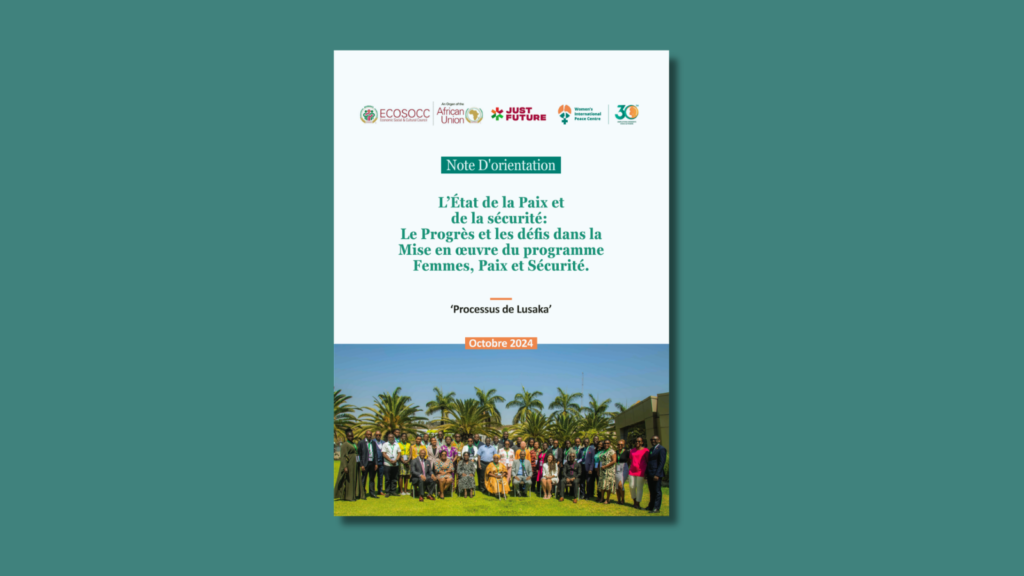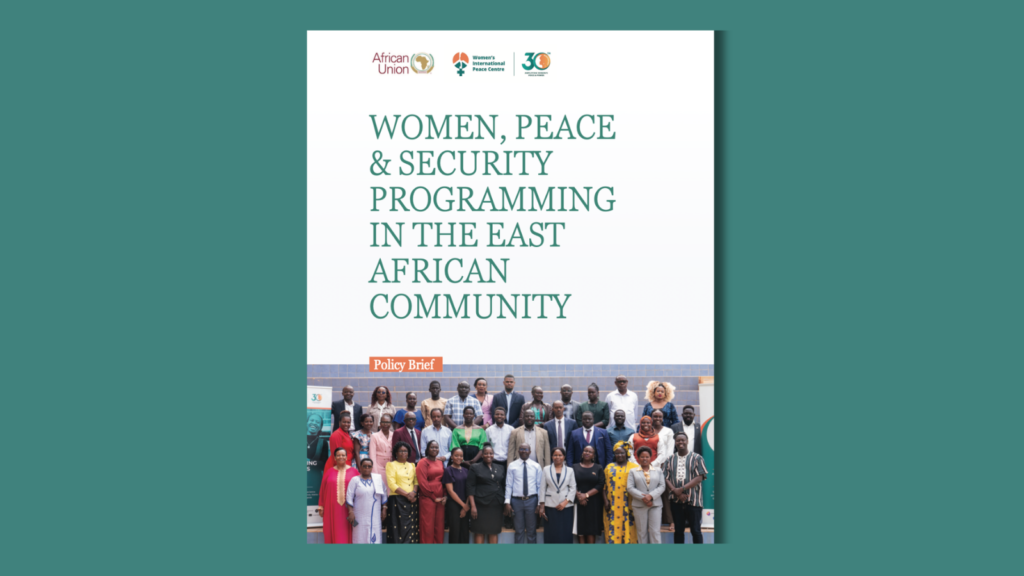
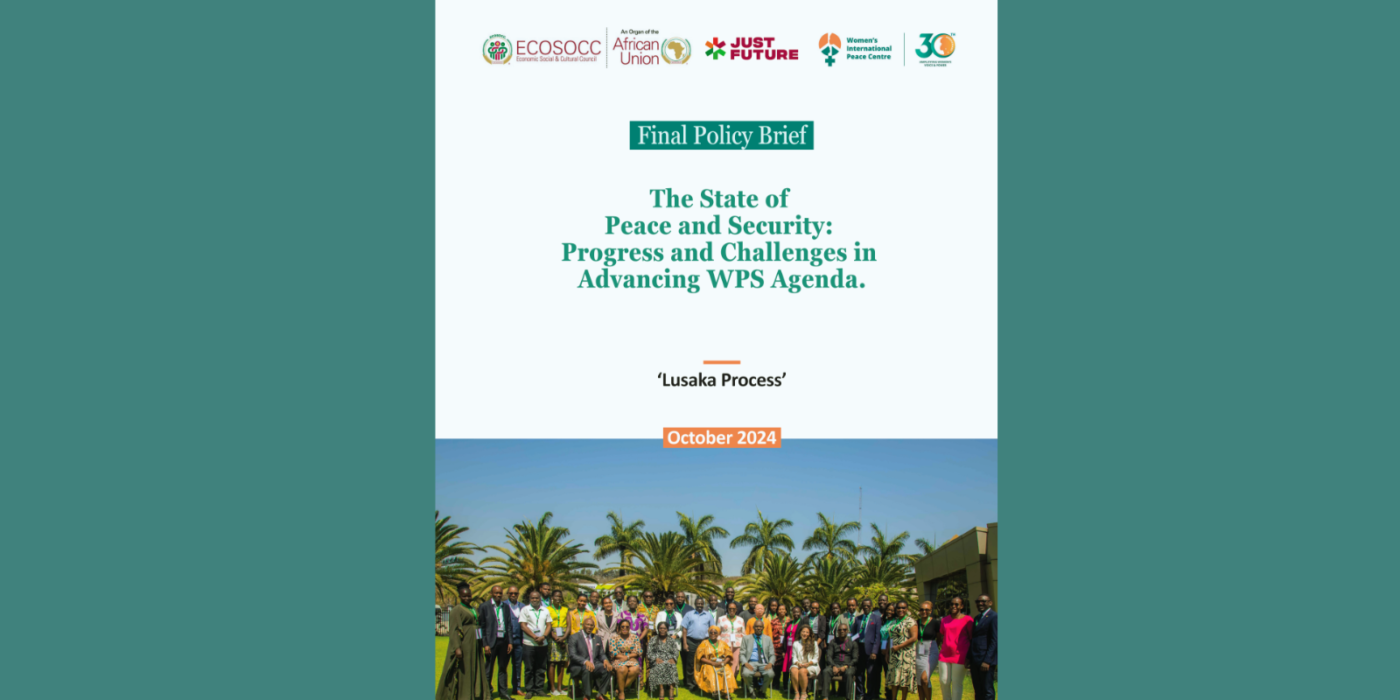
This policy brief examines the evolving peace and security landscape in Africa, highlighting the complex challenges shaping the continent today. Ongoing conflicts, terrorism, environmental crises, and emerging cyber threats continue to undermine stability, hinder development, and deepen humanitarian crises. In response, the African Union, its Member States, and civil society organizations play a critical role in addressing these challenges through diplomatic, security, development, and community-based interventions. Civil society in particular remains central to grassroots conflict resolution, peacebuilding efforts, and the promotion of inclusive governance and human rights.
The brief also explores key drivers of instability across regions such as the Sahel, the Horn of Africa, and parts of Central Africa, where armed insurgencies, political unrest, and unconstitutional changes of government have weakened democratic institutions and displaced millions. Groups such as Boko Haram, Al‑Shabaab, and affiliates of Islamic State have further destabilized vulnerable regions, while climate change continues to intensify resource conflicts and human displacement. The policy brief emphasizes the importance of inclusive peace and security responses, highlighting the vital role of civil society—particularly in advocating for the rights and leadership of women and girls—to ensure sustainable and people-centered peace solutions across the continent.
Download Policy Brief: