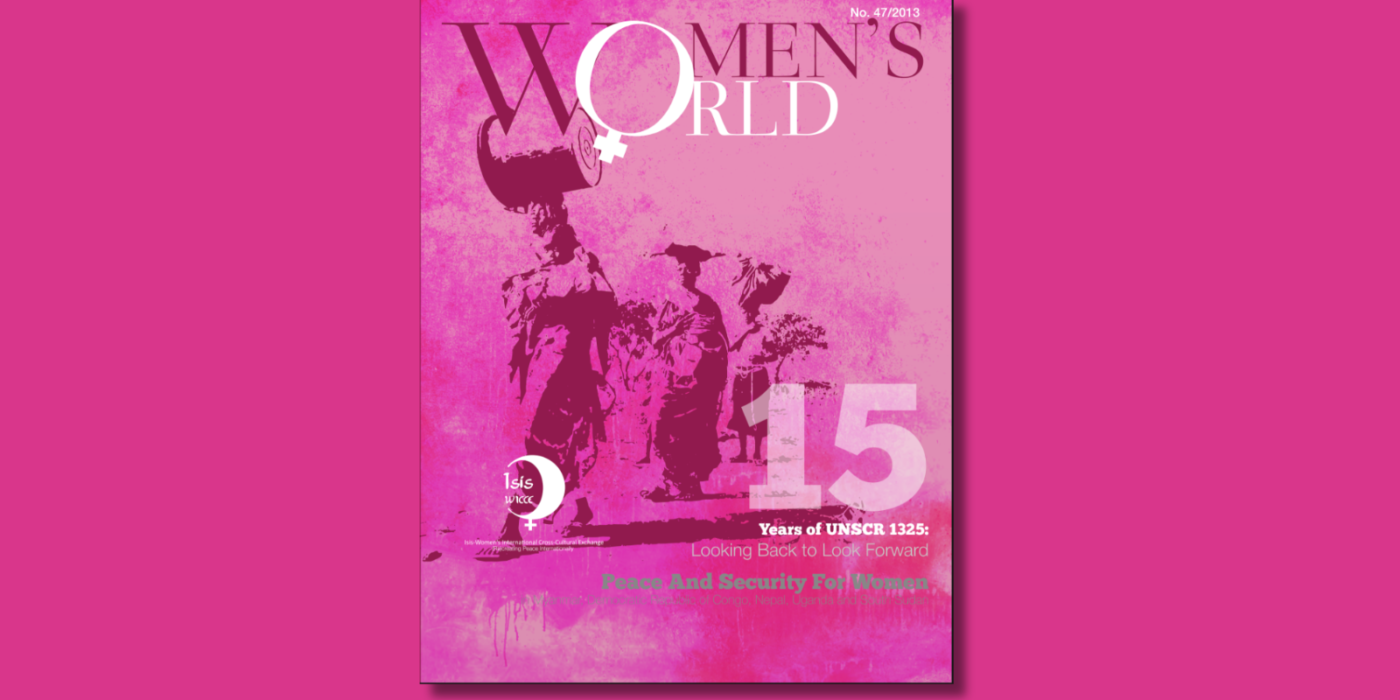
This issue of Women’s World magazine assesses the implementation of the UN Security Council Resolution (UNSCR) 1325 after 15 years, using case studies from Myanmar, the Democratic Republic of Congo (DRC), Nepal, South Sudan, and Uganda.
Background of UNSCR 1325
- UNSCR 1325 was unanimously adopted in October 2000 and recognized the imperative of a gender perspective in peace and security discourse, addressing the disproportionate impact of conflict on women and girls, and ensuring their participation in peace processes.
- The resolution is underpinned by four pillars:
- Prevention: Focusing on reducing conflict and all forms of violence against women.
- Participation: Ensuring women and their interests are included in peace and security decision-making.
- Protection: Focusing on women’s safety, mental and physical health, and economic security.
- Relief and Recovery: Focused on women’s specific needs in conflict and post-conflict situations.
Key Findings on Implementation
- Progress and Achievements: Various legal and policy frameworks have been established to promote UNSCR 1325, along with local mechanisms to prevent and punish sexual and gender-based violence (SGBV).
- Gaps and Obstacles:
- Lack of political will and insufficient or no resource allocation for implementation.
- Continued prevalence of SGBV and lack of access to justice for women, especially when perpetrators are security officers or political party members.
- Poor health service provision, unaddressed mental and sexual health needs, and post-conflict recovery interventions that marginalize women’s concerns.
- Weak coordination and lack of accountability mechanisms to enforce effective implementation.
The magazine aims to inform action by governments and discussions as the post-2015 development agenda is mapped out.
Download Publication here: Women’s World Magazine 47 English (1)