Women Mediators of Wau, South Sudan; Profiles for Peacebuilding Practice

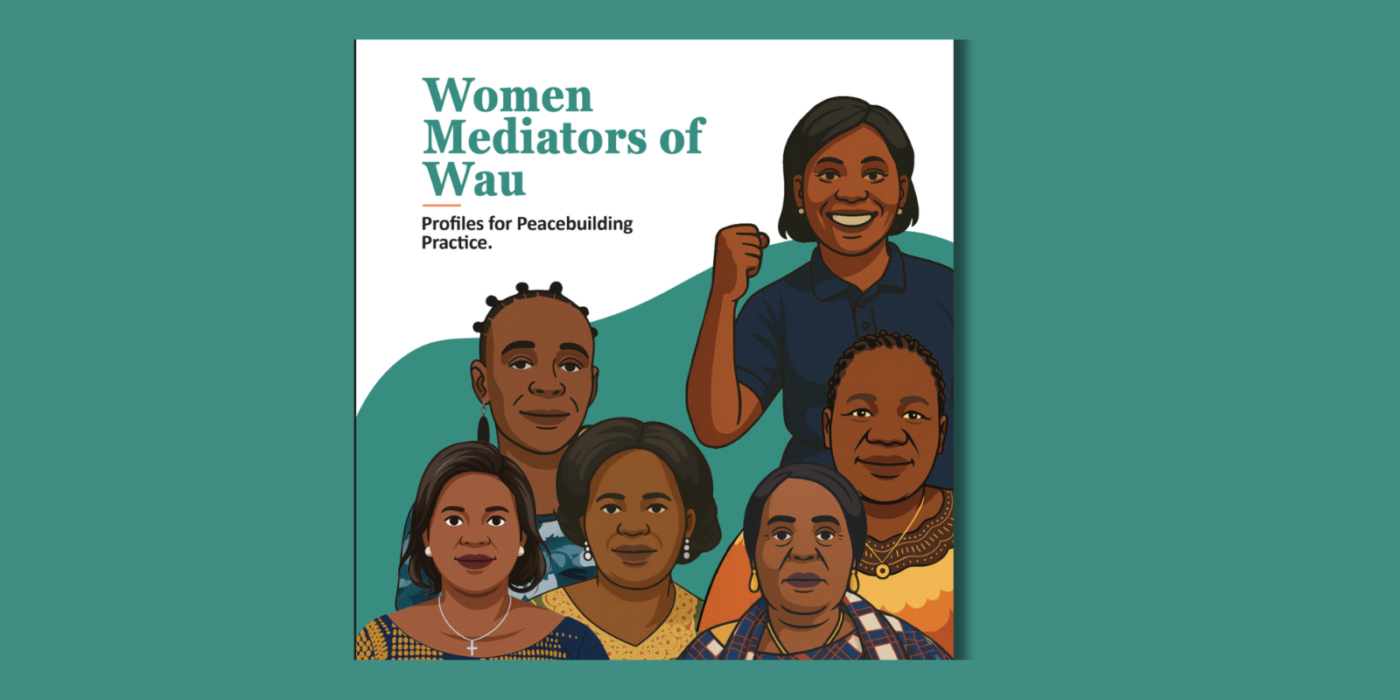
Women Mediators of Wau, South Sudan
Profiles for Peacebuilding Practice

Researchers: Latifah Namutebi, Jackline Janaro, Juliet Luka, Akuch Deng, Rose Stephen Abdallah, Julia Mahmud, Elizabeth Zacharia and Juleta Alberto Lino

The Abstract

South Sudan’s national peace process remains fragile, with the Revitalized Agreement (R-ARCSS) stalling amid renewed violence, displacement, and food insecurity. In Wau Municipality, a convergence zone of Dinka, Luo, Ndogo, Balanda, Kresh, and Bongo communities, histories of conflict and migration have left disputes over land, resources, and identity unresolved. Formal state justice is weak, and it is women mediators who hold together everyday peace through invisible networks in markets, churches, VSLA groups and kinship ties.

This publication documents the contributions of six women mediators in Wau, showing how indigenous, identity-informed practices such as Ndogo kinship, Dinka maternal authority, Balanda hospitality, Kresh artistic resilience, and Bongo “beer talks” underpin their conflict resolution work. These mediators prevent retaliatory killings, manage inter-ethnic negotiations, and stabilize relationships the state cannot reach. Their approaches reveal peace as daily coexistence, justice and restored dignity.

Based on ethnographic profiles and collaborative knowledge production, the study argues for the institutional recognition of grassroots women mediators, direct funding to their networks and monitoring frameworks that capture their real impact.

Read Publication here: Women Mediators of Wau Profiles for Peacebuilding Practice (1)
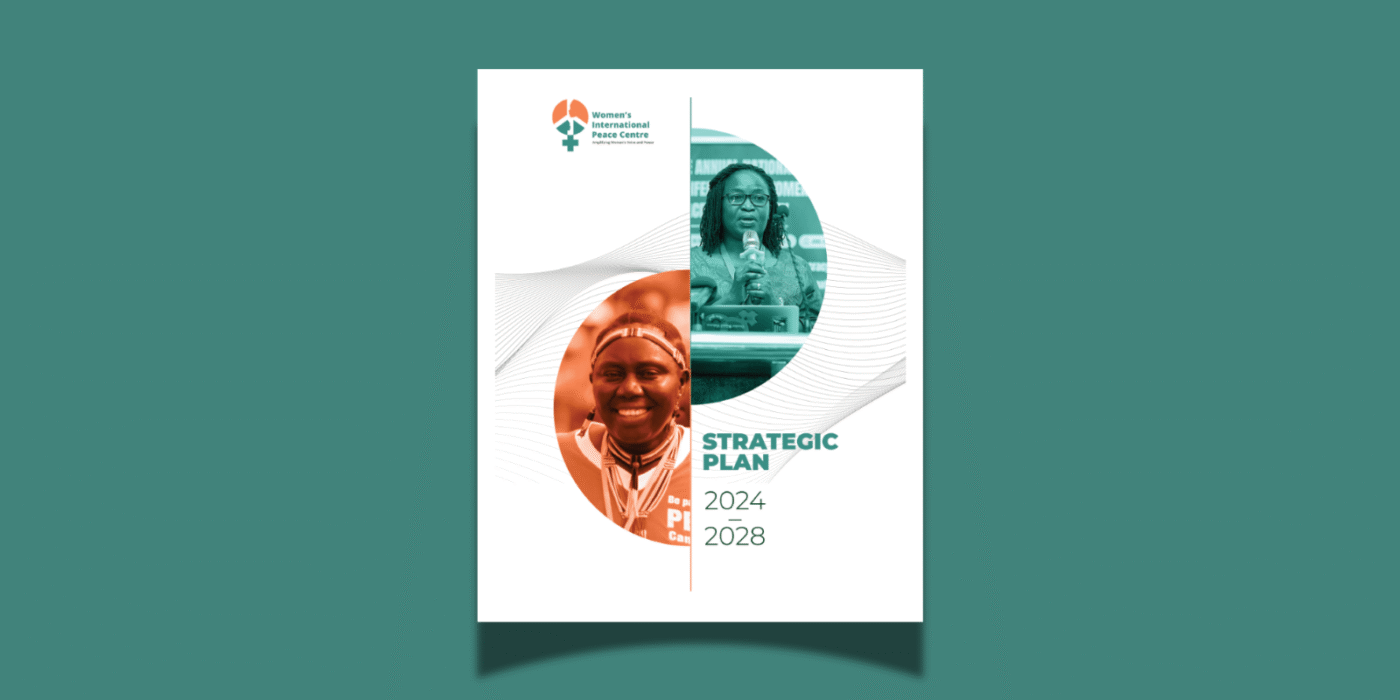
Women’s International Peace Centre Strategic Plan 2024-2028 (English Version))

The Strategic Plan 2024-2028 will guide the Women’s International Peace Centre over the next five years as we deepen our commitment to feminist peacebuilding and women’s leadership in conflict and post-conflict settings.

Guided by our WEAVE model and informed by years of experience, collaboration, and learning, this plan lays out strategic priorities that respond to urgent regional and global challenges with bold, transformative action.

The Plan emerges from a consultative process with partners, communities, and stakeholders, incorporating valuable insights from program reviews, evaluations, and feminist research. It focuses on systemic change through the intersection of peace, gender justice, and wellbeing, and commits to advancing:

  • Inclusive governance and feminist leadership
  • Gender-transformative humanitarian and development responses
  • Intersectional climate and environmental justice
  • Healing-centered approaches and mental health
  • Movement building and intergenerational knowledge sharing

Implementing the Maputo Protocol Towards the Women, Peace and Security Agenda

Parallel Session at the Maputo Protocol @20 Anniversary, Nairobi – Kenya Dates: 11 July 2023

Women’s International Peace Centre in collaboration with Oxfam International convened a parallel session at the 20th anniversary commemoration of the ground-breaking AU Protocol to the African Charter on Human and Peoples’ Rights on the Rights of Women in Africa (Maputo Protocol). The objectives of the event were twofold. First, the session provided a unique platform for civil society organisations (CSOs) to examine the progress, challenges and opportunities in the implementation of the Maputo Protocol, with a particular focus on Article 10 on the Right to Peace and Article 11 on the Protection of Women in Armed Conflict.

Secondly, the session underscored the importance of advancing the Women, Peace and Security Agenda within the SOAWR[1] coalition considering recent crises, such as the Sudan conflict which has vividly demonstrated how women comprise the highest proportion of marginalised individuals exposed to conflict-related sexual violence and various forms of gender-based violence. The session sought to shed light on these pressing issues, reiterating their critical nature and pushing for the inclusion of the WPS Agenda at the top tier of the SOAWR coalition’s agenda.

This report provides a summary of the perspectives and insights shared during the meeting, identifying common trends across Kenya, South Sudan, Sudan and at the regional level and highlights recommendations for collectively advancing women’s peace and security in Africa.

Download : WIPC_Report_Maputo Protocol20 Anniversary Event (1)

15 Years of UNSCR 1325: Looking Back to Look Forward

15 Years of UNSCR 1325: Looking Back to Look Forward.

Peace and Security for Women in Myanmar, Democratic Republic of Congo, Nepal, Uganda and South Sudan

This issue of Women’s World magazine, No. 47/2013, focuses on the implementation of UN Security Council Resolution (UNSCR) 1325 on Women, Peace and Security, 15 years after its adoption in 2000. The resolution formally acknowledged the disproportionate impact of conflict on women and girls, the necessity of a gender perspective, their protection needs, and their meaningful participation in peace and security processes.

The magazine assesses the realities of women and the impact of UNSCR 1325’s promises in conflict-affected countries through case studies on:

  • Myanmar: Tackling Impunity for Rape and Women’s Entitlement to Bodily Integrity.
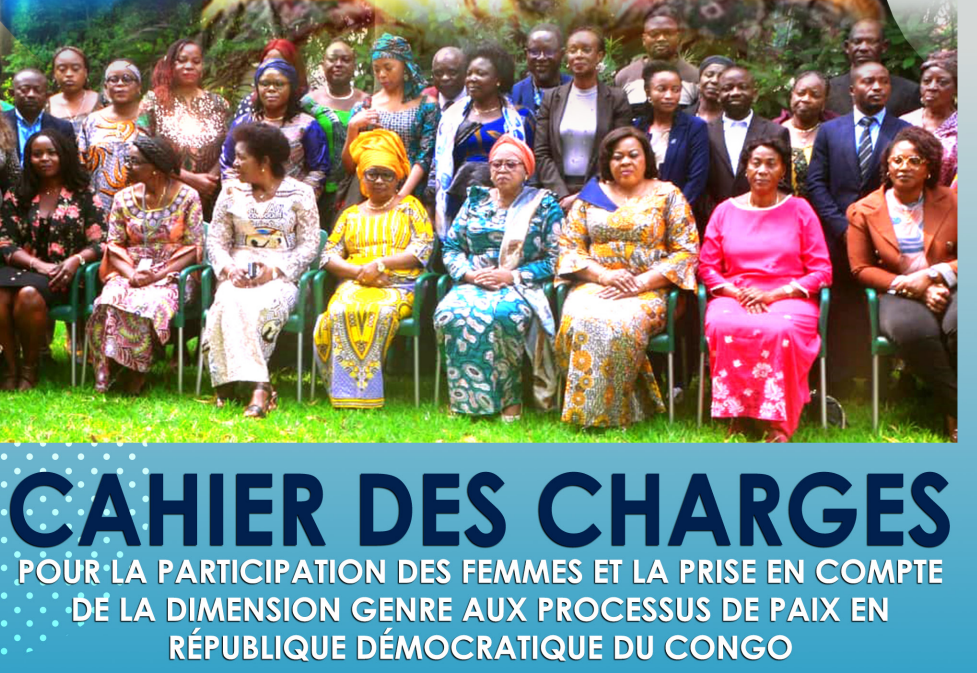
  • Democratic Republic of Congo (DRC): Women on the Cusp of Peace and Endemic Sexual Violence.
  • Nepal: At the Crossroads of Peace and Post-Conflict Reconstruction for Women.
  • South Sudan: Grappling with Women’s Peace and Security amid Fragility.
  • Uganda: Building a Firm Ground for Respect of Women’s Human Rights.

The assessment is underpinned by the four pillars of UNSCR 1325:

  • Prevention: Focusing on the reduction of conflict and all forms of violence against women.
  • Participation: Ensuring women and their interests are included in decision-making processes related to peace and security.
  • Protection: Focusing on women’s safety, mental and physical health, and economic security.
  • Relief and Recovery: Focused on women’s specific needs in conflict and post-conflict situations.

A common thread across the case studies is the persistent gap in implementation, often attributed to a lack of political will, insufficient or no resource allocation, poor coordination mechanisms, and a lack of accountability mechanisms. The publication hopes to inform action by governments and contribute to discussions as the post-2015 development agenda is mapped out.

Download Publication here: Women’s World Magazine 47 English