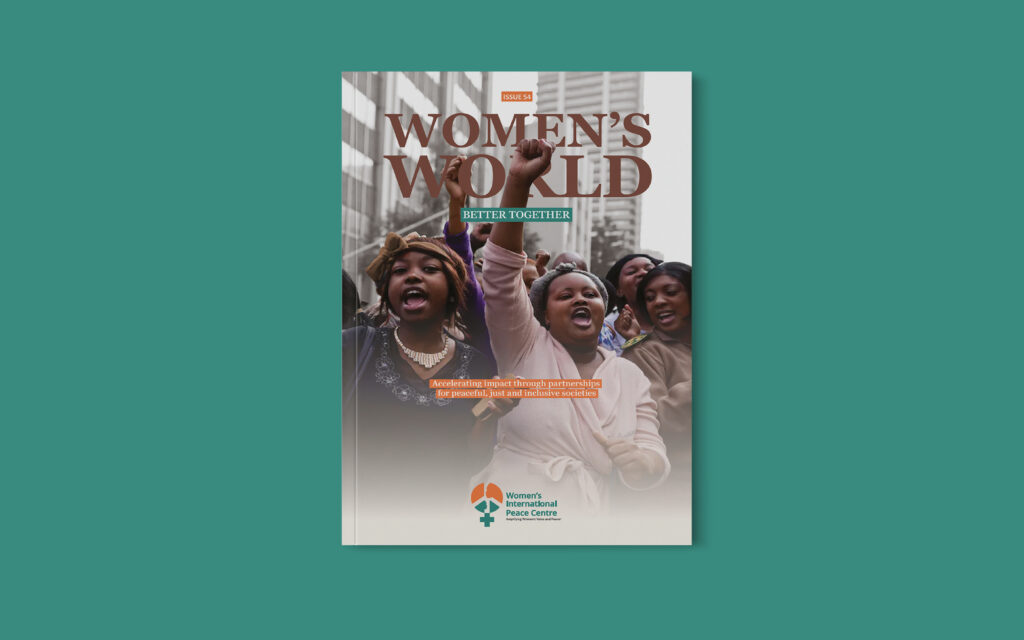
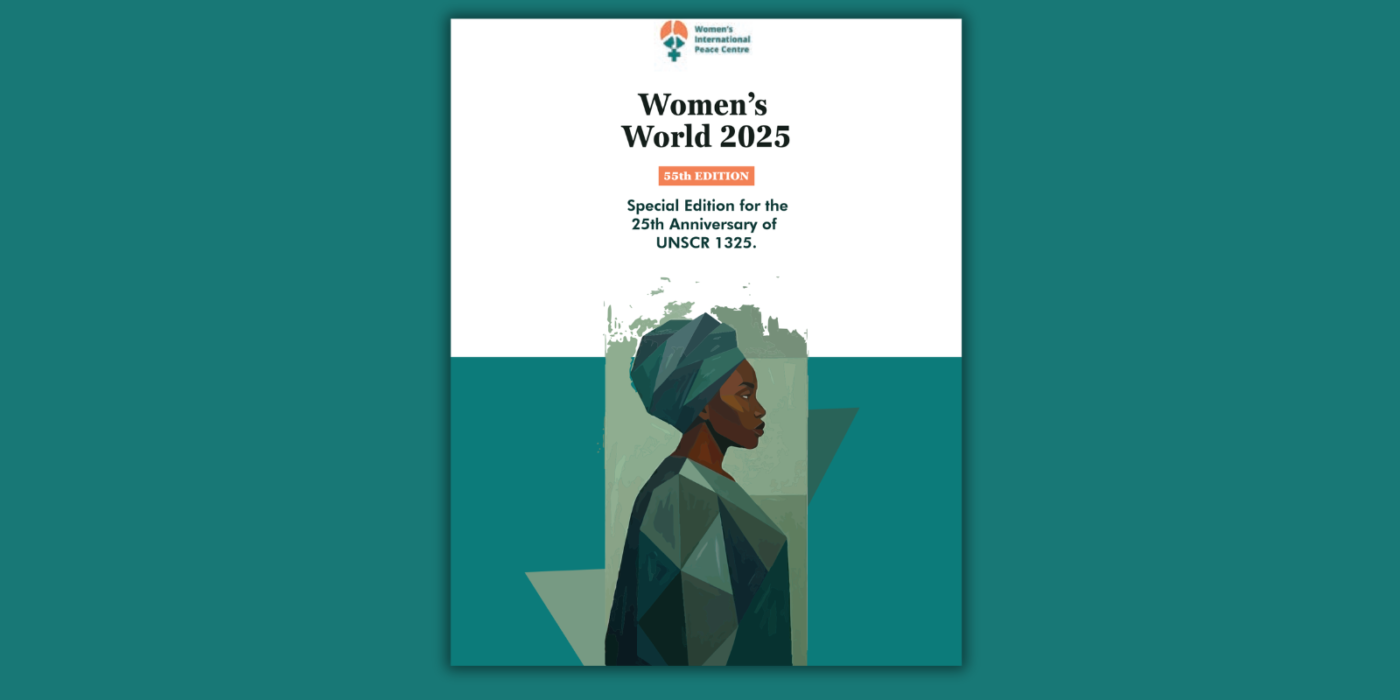
Despite the expansion of the Women, Peace and Security (WPS) agenda, this report argues that it has not been integrated into the financing and decision-making systems necessary for safety. While women have historically developed effective mechanisms for early warning, mediation, and survivor support, their work often remains unrecognized, underfunded, and excluded from formal authority.
Archives from the past 25 years reveal four persistent patterns:
Representation without Power: Women have secured more seats in government but lack influence over budgets, security decisions, and negotiations.
Policy without Financing: While many countries have adopted National Action Plans, they are rarely matched with dedicated, enforceable budgets.
Outsourced Governance: When formal institutions fail, women’s networks absorb critical governance responsibilities without remuneration or official mandate.
Institutional Collapse: Formal WPS mechanisms often fail during crises, whereas women-led networks remain durable and effective.
Five Pillars for 2025–2050
To achieve a feminist future, the report outlines five pillars for reform:
- Financing Feminist Peace: WPS must be treated as core national security expenditure, with at least 0.5% of defense budgets earmarked for local peacebuilding.
- Accountability and Legitimacy: Implement Feminist Peace Indicators (FPIs) to track power transfer and budget allocations, while granting formal legal status to women mediators.
- Partnerships and Collaboration: Partnerships must redistribute decision-making authority to community-level organizations and be designed to survive political and funding shifts.
- Technology, Communication and Narrative Power: Governments must prosecute online violence and include women in AI development and governance.
- Foreign Feminist Policy: International engagement should prioritize predictable, multi-year core funding and use diplomatic influence to enforce gender