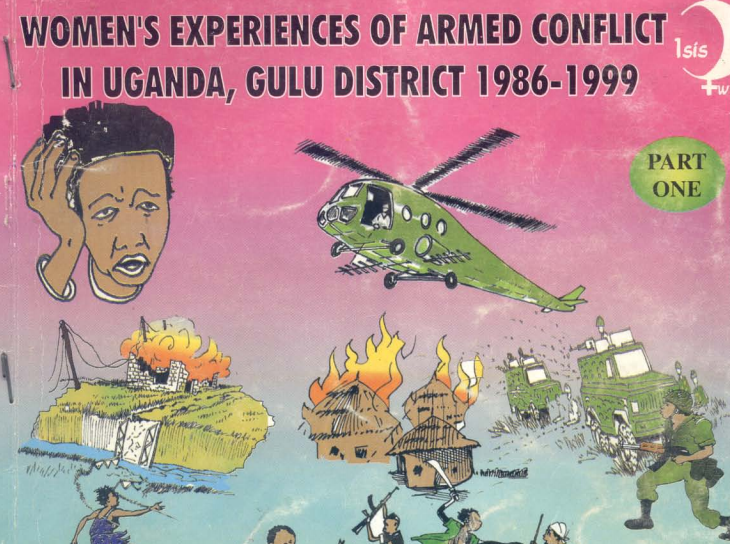
Women’s Experiences of Armed Conflict in Uganda, Gulu District. 1989-1999

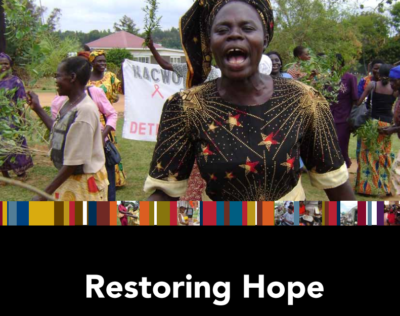
The report assesses the impact of the war on women of Gulu District, Northern Uganda focusing on their war experiences, the effects of war on their health and economic status, the position of their rights, their coping mechanisms with the war and contributions to their society in distress. The study was carried out within the population originating from 13 sub counties of Gulu District but living in internally displaced people’s camps within an 18km radius of Gulu Municipality.

The key findings reveal that the population was exposed to traumatic experiences such as captivity, abductions, torture, killings, sexual abuse/violence, intimidation, walking long distances without food or water or walking barefooted in thorns and bushes and extreme humiliation to the women. The report also highlights the major health problems faced by the survivors which include reproductive health complications such as STIs including HIV&AIDS, broken and severed limbs and a host of other ailments. Psychosocial consequences were the most numerous.

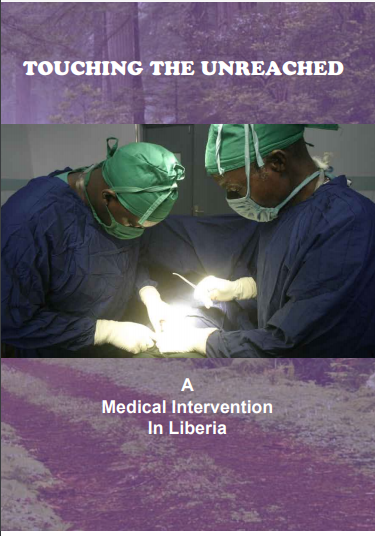
Medical Intervention Study of War Affected Gulu District.

Gulu District in Northern Uganda has been at the center of the Northern Uganda armed conflict that lasted more than 18yrs and saw more than 35,000 children abducted, 2 million people displaced into IDP camps and thousands killed. In July 2001 when the war was still ongoing, Isis-WICCE working with the medical professional team in Uganda undertook a short-term medical intervention in Awer internally displaced people’s camp. The study revealed that the population had suffered significant war traumatization including psychological, physical and sexual torture.

Women and Health

The articles in this issue of Women’s World are centred on the Exchange Programme theme: Women’s Health:- an integrated approach.  hence the reason why we did not concentrate on a particular health issue. The topics are diverse and try to make us all aware of how each health issue is in its own way related to the lives of women.
We hope that the articles in this issue will lead to a discussion in your environment, on how to relate the health of women not only to current research activities on Women’s Health, but also women’s daily activities. We hope that from the point of view of women, you will be able to say what we as women would like to see done, in order to ensure that our health is taken seriously globally and not as an afterthought.

Women’s world No 27