38th GIMAC: Advancing Women’s Access to Economic Resources to Build Our Continent’s Resilience in Nutrition.

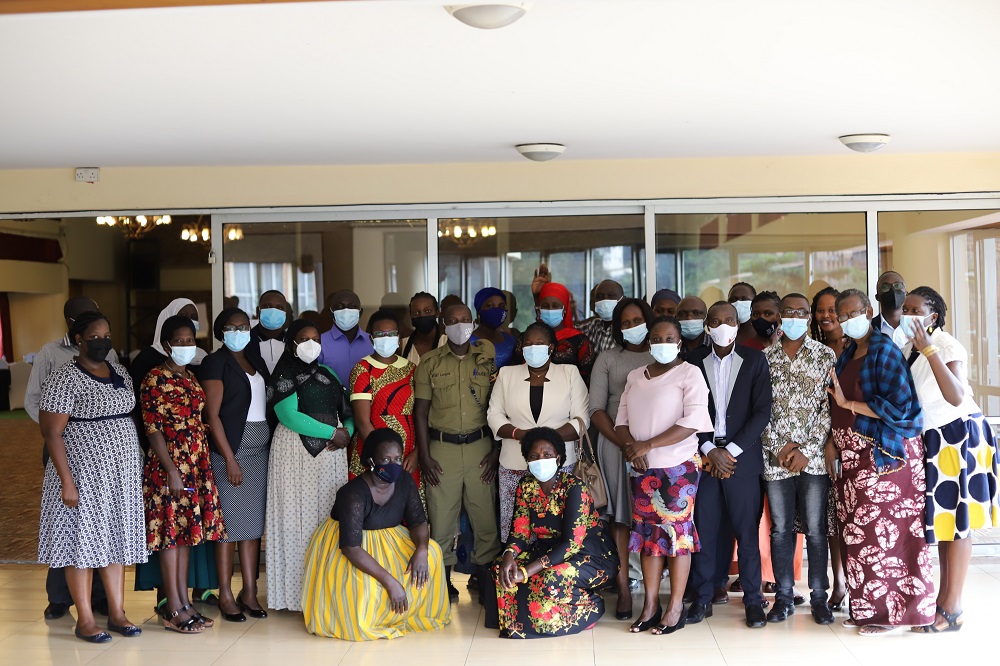
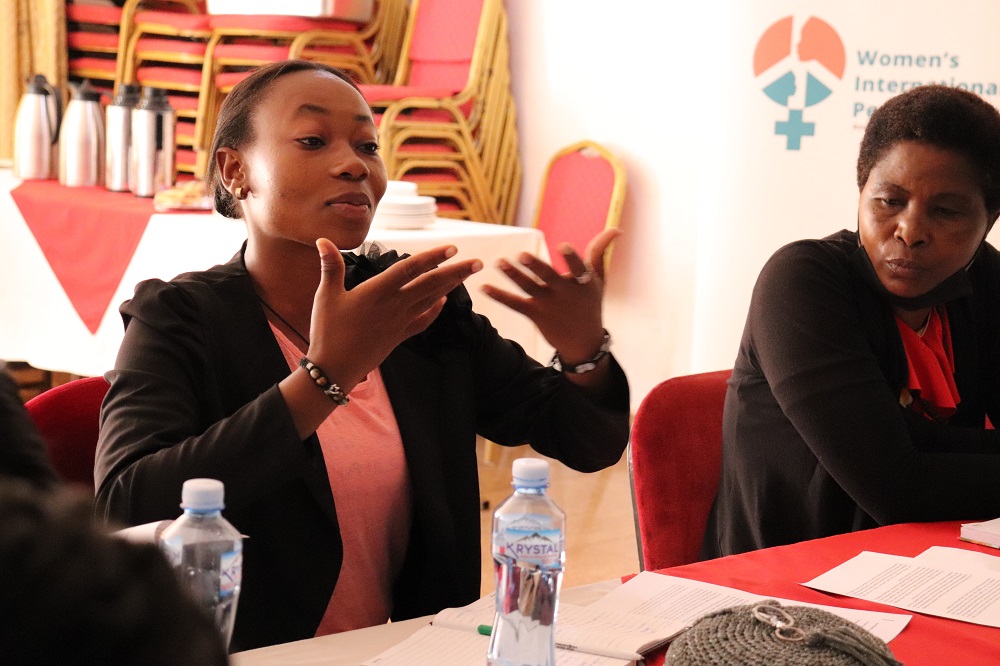
From 1st to 4th February 2022,  the Gender Is My Agenda Campaign (GIMAC Network) convened its 38thVirtual Pre-summit CSOs Consultative meeting under the theme: Advancing Women’s Access to Economic Resources to Build Our Continent’s Resilience in Nutrition in Addis Ababa. 

The 38th GIMAC was co-moderated by Women’s International Peace Centre(The Peace Centre) and the Institute for Social Transformation, with support from the AU Commission for Social Affairs, the Office of the Special Envoy on Women, Peace and Security and the AU Women, Youth, Gender and Development Directorate (AU YWGDD) sought to achieve the following objectives through the Pre-Summit Consultation;

  1. Consolidate CSOs’ review of the AU legal and strategic framework on food security and nutrition taking a gender-transformative approach, focusing on achievements and critical gaps towards implementation;
  2. Propose rights-based, inclusive, effective, and efficient strategies that enhance and utilize the agency and role of women and girls in realizing the vision for ending hunger and addressing hunger;
  3. Strengthen intergenerationally and gender transformative approach towards the transformation of societal norms and institutional structures that guarantee a conducive environment for women’s human and economic rights;
  4. Celebrate, document, and share best practices on innovations and positive approaches on gender and nutrition that advance gender equality; and
  5. Provide space for African CSO’s strategic engagement with AU, RECs, UN Agencies, International Organizations, and other stakeholders.

Held in a hybrid and in-person format, the meeting brought together over 200 delegates from more than 20 countries, representing the AU, United Nations officials, Diplomatic missions, development partners, civil society organizations (CSOs), the private sector and other interested groups. Key partners that participated in meetings included the United Nations Entity for Gender Equality and the Empowerment of Women (UN Women), the United Nations Economic Commission for Africa (UNECA), Plan International, MSD for Mothers, Oxfam, the International Planned Parenthood Federation (IPPF), and Action Aid.

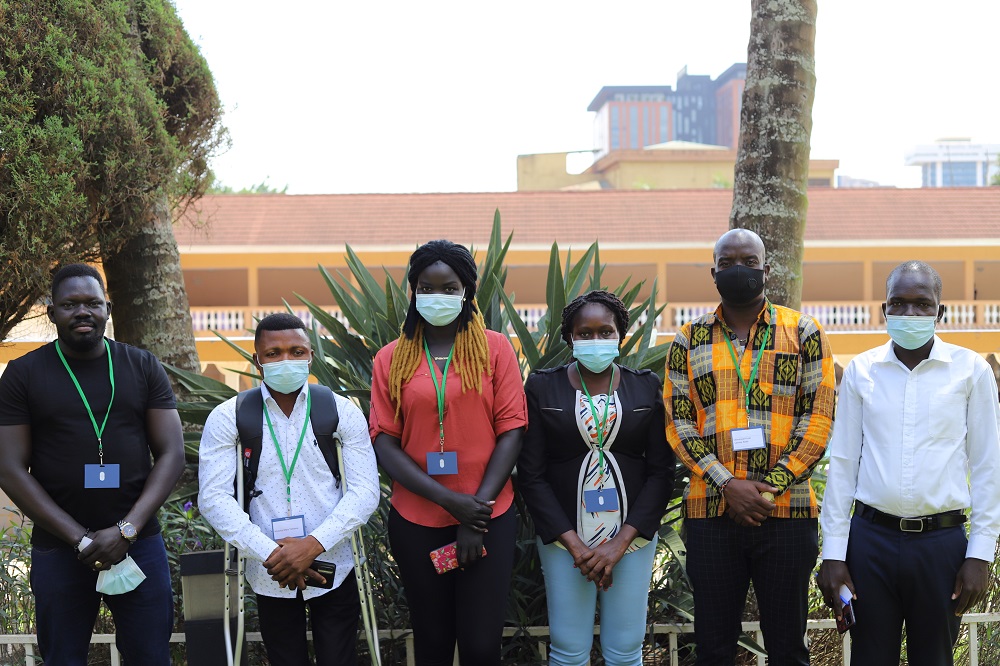
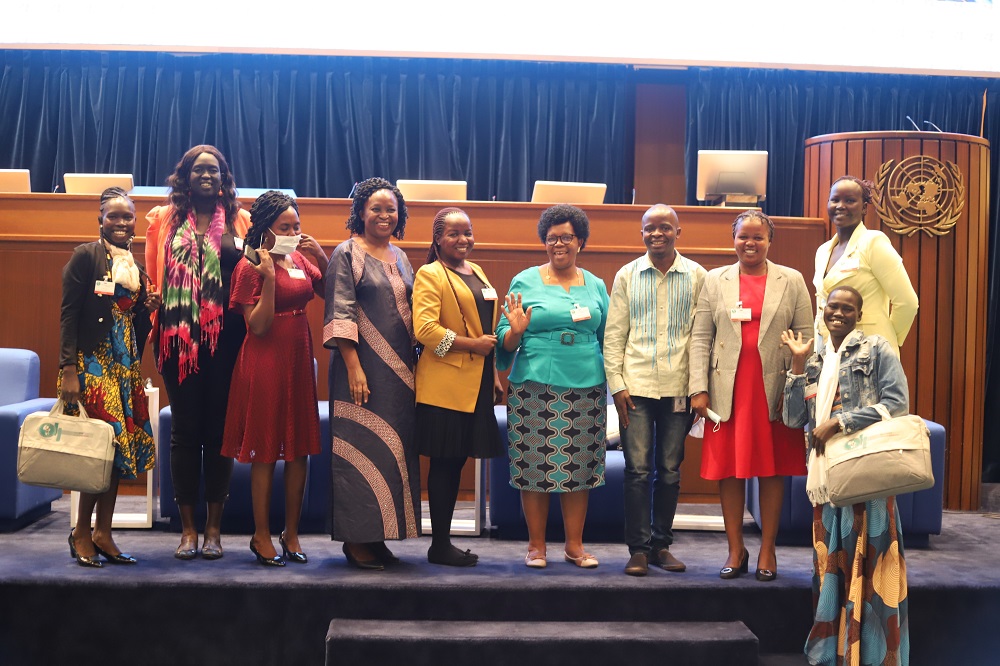
The Peace Centre facilitated partners of 3 national partners from Burundi, South Sudan and the Democratic Republic of Congo (DRC) in the pre-summit meeting to inform discussions around the 2022 African Union (AU) Assembly of Heads of Ste and Government.

Partners made presentations and recommendations that were received by the AU Women Gender and Youth Directorate (AUWGYD) Director, AU Special Envoy on Women, Peace and Security, the AU Envoy on Youth and East African Community representative for presentation to technical committees and member states representations.

These focused on the need for the AU, Regional Economic Communities (RECs) and member States to mainstream gender equality in food security responses in fragile states and to strengthen gender inclusiveness in its preventive diplomacy, conflict prevention, peace-making, peacebuilding and post-conflict reconstruction.

Given that 38GIMAC was held against the backdrop of the pandemic seismic shifts triggered by the Covid-19 pandemic, especially disruptions on the continent’s livelihoods and economies, participants noted how the corresponding mitigation measures such as partial lockdowns, border closures and movement restrictions, have been at the expense of reducing malnutrition.  The unprecedented Covid-19 prevention protocols not only resulted in constricted business activity, but also disrupted food supply chains, and curtailed small-scale agriculture, which is the main source of food and nutrition security in Africa. Not to talk of the full, and partial closure of schools, which resulted in a loss of access to school-feeding programmes, which has negatively affected the lives of children. Additionally, safety net programmes, including community nutrition programmes for women and children that were temporarily halted, exposed populations to food insecurity.

The recommendations from the 38 GIMAC Pre Summit meeting also emphasized the need to address structural and systemic drivers of poverty, gender inequality and socio-economic vulnerability, discrimination and violence against women and girls, as well as challenges of corruption, poor governance and limited political participation by women and youth.
SEE RECOMMENDATIONS

Women at the Centre of Sustaining Peace in Uganda

Women’s International Peace Centre and the Uganda Women’s Network (UWONET) with support from The Embassy of Ireland are partnering in an 8-month project “Women at the Centre of Sustaining Peace in Uganda” to promote the implementation of Uganda’s National Action Plan III (2021 – 2025) on Women, Peace and Security (WPS) at the national level and in Karamoja, particularly Kotido and Moroto districts from January to August 2022.

Read More “Women at the Centre of Sustaining Peace in Uganda”

Young Urban Refugee Women Leaders Trained on Women Peace and Security

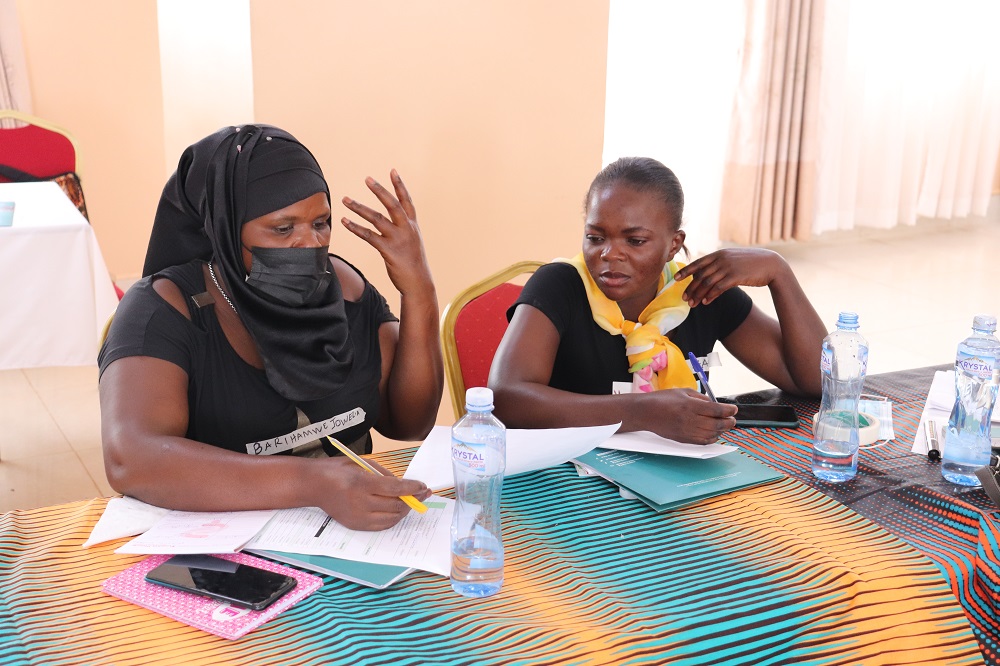
The Peace Centre in partnership with the Global Fund for Women is implementing a project Promoting Young Urban Refugee Women’s Leadership in Peacebuilding in Uganda aimed at promoting young urban refugee women and GBV survivors; leadership in peacebuilding processes and mechanisms in Uganda. As part of the project, the Peace Centre conducted a 3 days training of 30 young urban refugee women representatives from refugee-led organizations in Makindye division on advocacy and influencing, on UNSCR 1325, the contents, processes, and mechanisms associated with Uganda’s National Action Plan on UNSCR 1325 from 12th to 14th January 2022.

Read More “Young Urban Refugee Women Leaders Trained on Women Peace and Security”

Launch of the Research on the Impact of the COVID-19 Pandemic on Women Peace and Security in South Sudan

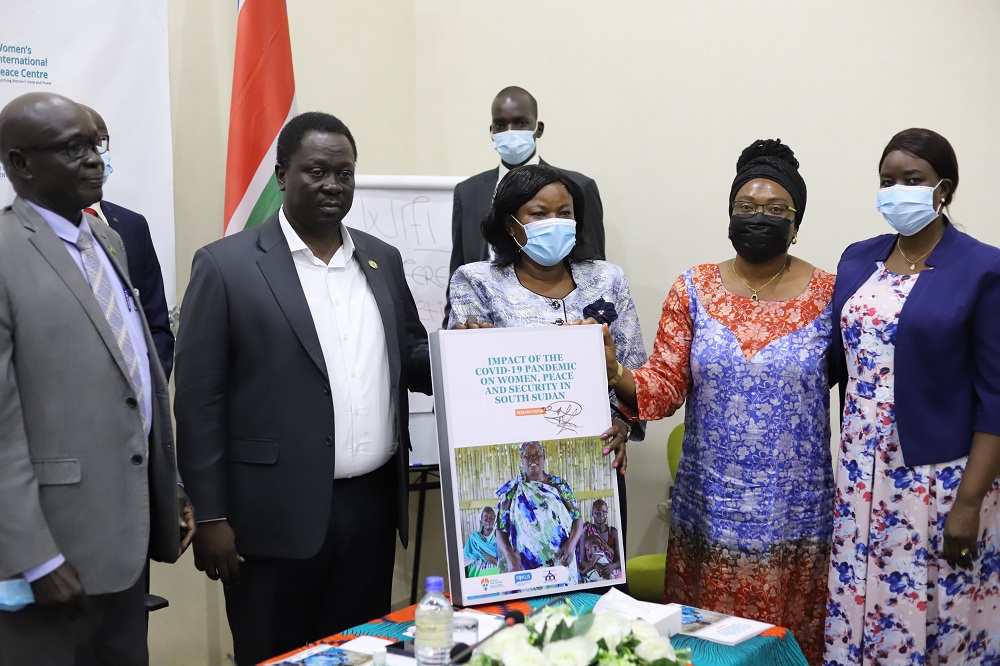
We officially launched our research on the Impact of the COVID-19 Pandemic on Women Peace and Security in South Sudan with support from the Forum for Women and Development (FOKUS) and in partnership with the Centre for Inclusive Governance Peace and Justice on 17th November 2021 in Juba, South Sudan.

The pandemic has intensified the already fragile humanitarian and human rights situation, including by further restricting fundamental rights and freedoms. COVID-19 thus poses a serious threat not only to public health, but also to governance, democracy, and peace and security. Systems characterized by weak constitutional orders, lack of accountability, entrenched impunity, and historical and structural inequalities have struggled to respond effectively to the pandemic in compliance with human rights and the rule of law.

Findings from the research sparked a conversation on the impact of COVID19 on Women Peace and Security in South Sudan.

  • Despite women’s involvement in the international frameworks on UNSCR 1325 and the active role that they have played at various levels to bring peace to South Sudan, their role has been underestimated or ignored during political negotiations including in the ongoing COVID-19 situation. For example, the 15-member National Taskforce for COVID-19 reveals women’s under-representation and yet, this is the body that makes policies on COVID-19 in South Sudan that have a direct bearing on the lives of women as caregivers and peacemakers.
  • Though women were appointed to the revitalized transitional government, their decision-making powers are limited. It was also noted that there were very few women in the task force when it was first established.
  • Reduction of funding of women organizations which has crippled women’s ability to respond effectively.
  • COVID-19 Emergency Legislation and Enforcement– In March 2020, The Government introduced restrictions including a partial lockdown. This affected the supply of food and other basic commodities from neighbouring Local markets women suffered the most.
  • Access to health services– The lockdown also did not consider health issues that require emergency movement. Some women needed critical medical attention but could not access health services. Furthermore, the process to obtain clearance was long and often required incentives. Several women could not afford the cost of expediting the clearance process to enable travel.
  • Violation of curfew– authorities used force to enforce curfews, which in some extreme cases resulted in the death of civilians.

“These research findings should be able to influence the work of the National Taskforce on COVID19 in South Sudan. Issues on healthcare, humanitarian response, unpaid care work, social protection, violence against women and girls, livelihood systems and others are highlighted in the report.”- Helen Kezie-Nwoha, Executive Director, The Peace Centre 

  • Restriction of movements limited access to livelihoods. Livelihood systems are heavily reliant on mobility and trade. This negatively affected the work of female entrepreneurs and informal sector workers. Additionally, several women who worked in formal employment were laid off to cut back institutional costs.
  • Humanitarian Assistance– Flooding in Upper Nile increased the number of displaced persons, who could not access humanitarian assistance.
  • Sexual violence against girls– Some girls dropped out of school and got pregnant. Some were forced into early marriage. Boys were also made to start families.
  • Vaccinations– negative stereotypes on vaccination especially on the sexual reproductive health of women. It is believed that vaccination will make women barren and alter the genetic composition of children.
  • Social protection has been minimized. Women cannot access the courts to report issues of sexual violence and there has been little to no access to justice on land issues ultimately affecting their economic viability.

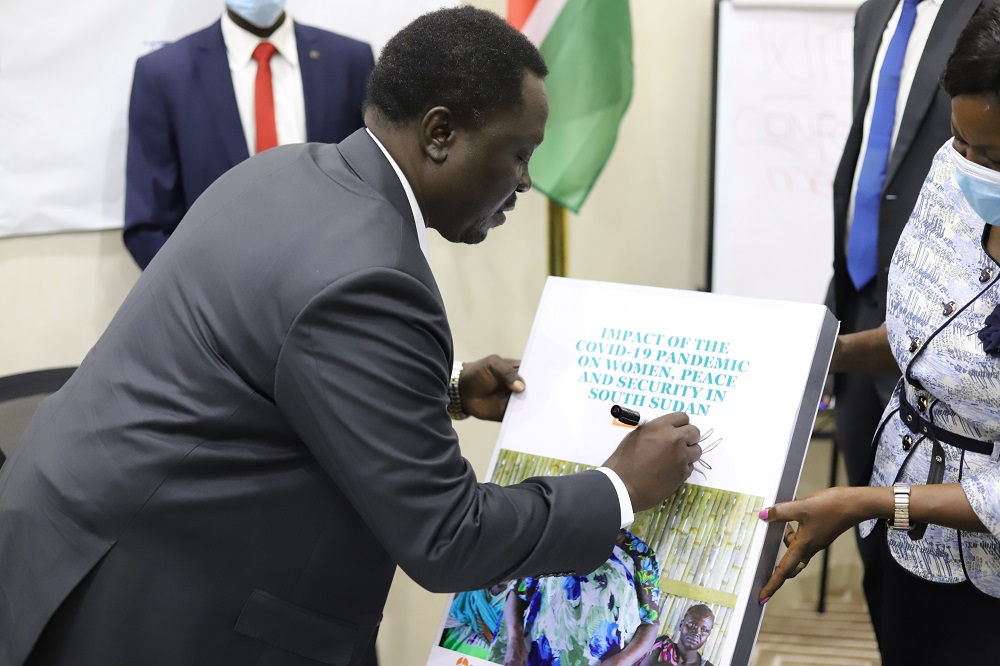
H.E Hussein Abdelbagi Akol, Vice President in charge of the Service Cluster and Chair of the National Taskforce signs and officially launch the research report. 

Recommendations from the research emphasized the need to;

  • Conduct campaigns to raise awareness on COVID-19 in the rural areas
  • More efforts need to be dedicated towards the inclusion of PWDs when it comes to COVID-19 response and the COVID-19 vaccine.
  • Experts who have scientific knowledge should be engaged to provide accurate information on the COVID-19 vaccine and its potential side effects.
  • Conduct further research on women’s perceptions of the COVID-19 vaccine.
  • Vaccinated people need to provide testimonies to encourage others to be vaccinated.
  • Government and/or organization should make more information about the vaccine accessible to the public in general and women in particular

“As the Secretary to the National COVID19 taskforce, I’m committed to making sure we learn from this research to improve our programming for SouthSudan and include gender-responsive COVID 19 measures.”- Dr Victoria Arib Majur, Under Secretary, Minister of Health.

Outcome of the First Feminist Peace Convening in Central Equatorial State, Juba, South Sudan

We, participants of the 1st Annual Peace Convening held in Juba, Central Equatorial State meeting in Juba-South Sudan on 16th November 16, 2021, under the ‘Promoting Women’s Needs and their Participation in the South Sudan Constitution-Making Process’ acknowledge our collective vision for sustainable peace in South Sudan and our commitment to promote gender equality and women’s empowerment in Central Equatorial State in particular and South Sudan in general. Read More “Outcome of the First Feminist Peace Convening in Central Equatorial State, Juba, South Sudan”

Defend her! Women Human Rights Defenders’ Recommendations for Diplomatic Missions

Women human rights defenders (WHRDs), peacebuilders, advocates for gender equality and other civil society leaders play a critical role in advancing peace, human rights and gender justice. Yet they are under attack for doing so. The Peace Center joined WHRDs in presenting their key recommendations for diplomatic missions to better protect their critical work in a gender responsive and transformative manner and the specific protection needs that WHRDs have. This was to inform Mission leads, staff and policy makers will gain insight in the gap between policy, protocols and practice. From WHRDs first hand, they will receive concrete ideas on how to bridge that gap and how to continue meaningful engagement with WHRDs.Over 180 (W)HRDs, mission staff, representatives of (I)NGOs, Member States and multilateral organizations registered for the event.

The discussion kicked off with a context setting that involved a look at the current situation for WHRDs and why they need specific protection measures This was followed by a Panel conversation by panelists;
Richard Arbeiter, Ambassador and Deputy Permanent Representative of Canada to the United Nations in New York
Caecilia Wijgers, Ambassador of the Netherlands to Afghanistan
Caroline Rucah, Executive Director Lets Be Tested Queens (Western Kenya LGBTQI+ Feminist Forum)
And Sandra Tumwesigye, Communication & Advocacy coordinator Women International Peace Center

The Panel took on discussing key recommendations for gender responsive and transformative protection that addressed; How diplomatic missions support individual WHRDs’ physical, mental, and economic safety. How diplomatic missions strengthen women’s rights organizations’ operational space and their resilience and How diplomatic missions enhance the understanding of, familiarization with, and support for a diversity of women’s voices within the mission?
From this discussion; problems faced by WHRDs were discussed as Lack of physical, mental, and economic safety of individual WHRDs, Limited/restricted travel/mobility options (ao needed to stay out of the hands of opponents), exacerbated by the Covid-19 pandemic and/o additional identification requirements Psychological stress and trauma.

As a way forward, some of the things WHRDs need were discussed as; Supporting physical, mental, and economic safety of individual WHRDs Safe travel facilitations, support to not have to use public transport Short- and mid-term safe houses/ shelters (incl for WHRDs’ children / immediate family members under threat) & support of relocation both in and outside the country or region Providing Mental Health and Psychosocial Support (MHPSS) services, Advocate for establishing legal frameworks to criminalize violations against WHRDs Rapid response funding

The panel also discussed what Currently diplomatic missions are undertaking the following actions
Supporting physical, mental, and economic safety of individual WHRDs, Provision of temporary shelter through the Shelter City Program, as well as accompaniment of international organizations such as PBI Advocating for a victim-centered justice and WHRDs led approach. Partner with (I)NGOs providing gender sensitive MHPSS for WHRDs. Monitoring of attacks and restrictions, Speak up and speak out if WHRDs offices and meetings are restricted or attacked

And last but not least, the panel discussed how missions can address the current gaps through; Supporting physical, mental, and economic safety of individual WHRDs, Strengthen cooperation between EU countries to support (humanitarian) visas for relocation and/or to provide temporary shelter in the region. Collaborate with and assess lessons identified/learned from the Journalists in Distress Network and Protect Defenders
Advocate for establishing legal frameworks to criminalize violations against WHRDs Allocate a rapid response fund and periodically train staff how to respond in emergency cases.

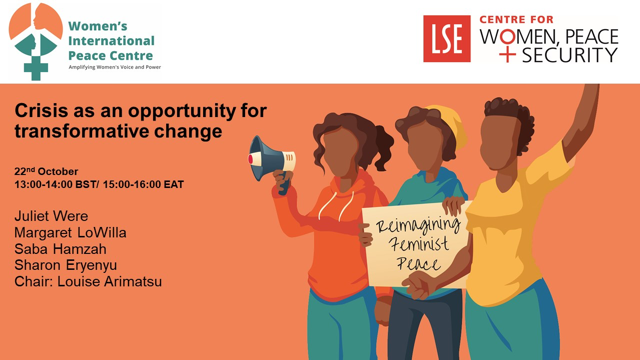
Launch of the 2nd Edition of the Feminist Peace Series: Crisis as an Opportunity for Transformative Change

The Peace Centre launched their 2nd Edition of The Feminist Peace Series Magazine in a virtual event co-hosted by the LSE Centre for Women Peace and Security on 22nd October 2021. The Feminist Peace Series was born out of the continuous inquiry into what Feminist Peace means in practice intending to showcase the different transformative approaches to peacebuilding.

Read More “Launch of the 2nd Edition of the Feminist Peace Series: Crisis as an Opportunity for Transformative Change”

National Feedback Meeting to Draw Actions and Recommendations for Conflict Resolution and Peacebuilding in Uganda

The Peace Centre in partnership with the Ministry of Internal Affairs’ Conflict Early Warning and Early Response system (CEWERU) has been holding routine quarterly feedback meetings with Members of the National Steering Committee to receive and respond to early warning reports from violence monitors, peace mediators and Members of the District Peace Committee and take action. Between 30th September to 1st October 2021, The Peace Centre held a 2-day feedback meeting with the National Steering Committee to review early warning reports compiled from Yumbe, Adjumani, Kotido, Arua, Kassanda, Kapelebyong, Lira, Soroti, Luwero and Kampala.

Read More “National Feedback Meeting to Draw Actions and Recommendations for Conflict Resolution and Peacebuilding in Uganda”

Regional Learning and Networking Exchange Visit on Peace, Security and Justice

Women’s International Peace Centre as a Just Future partner organized and hosted a 4-day Regional Learning and Networking Exchange for local partners from Burundi, DRC and South Sudan for 22 delegates. The Regional Exchange targeted 20 representatives 4 Burundi (Bujumbura), 7 DRC (Kinshasa, Bukavu and Goma), 5 South Sudan (Juba) CSO partners and 4 Peace Centre staff. The practical learning space provided participants with a first-hand account from similar organisations and interaction with experts on Post Conflict peace building, building strong networks, access to justice through legal clinics as well lessons on Security Sector Reform, Women Peace and Security in the Great lakes region and built relationships with civil society.

Read More “Regional Learning and Networking Exchange Visit on Peace, Security and Justice”