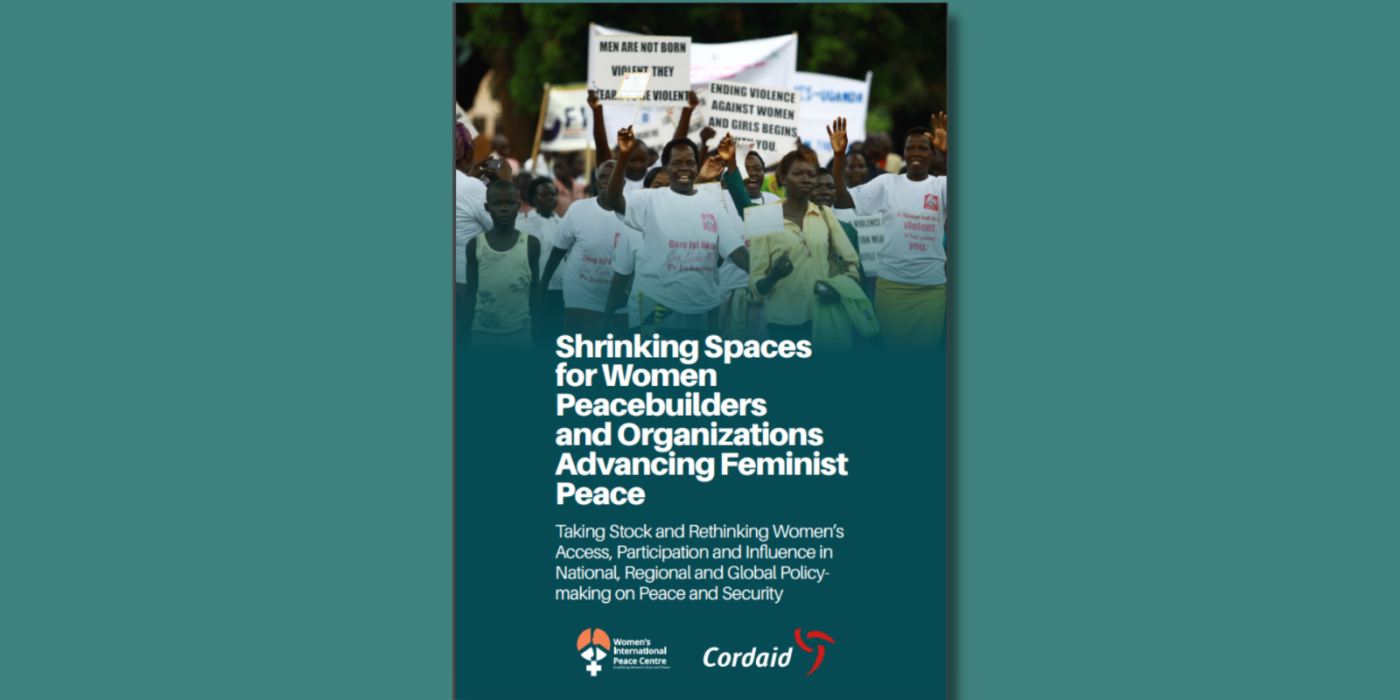
Women and young people all over the world are playing an important role in peace and development. The leaders trained under the project “Promoting Peaceful Electoral processes in Uganda through Constructive Engagements” with support from the Kingdom of Belgium are from different constituencies, implying the need for a wide range of actors and movements needed to promote stability and peacee in Africa.
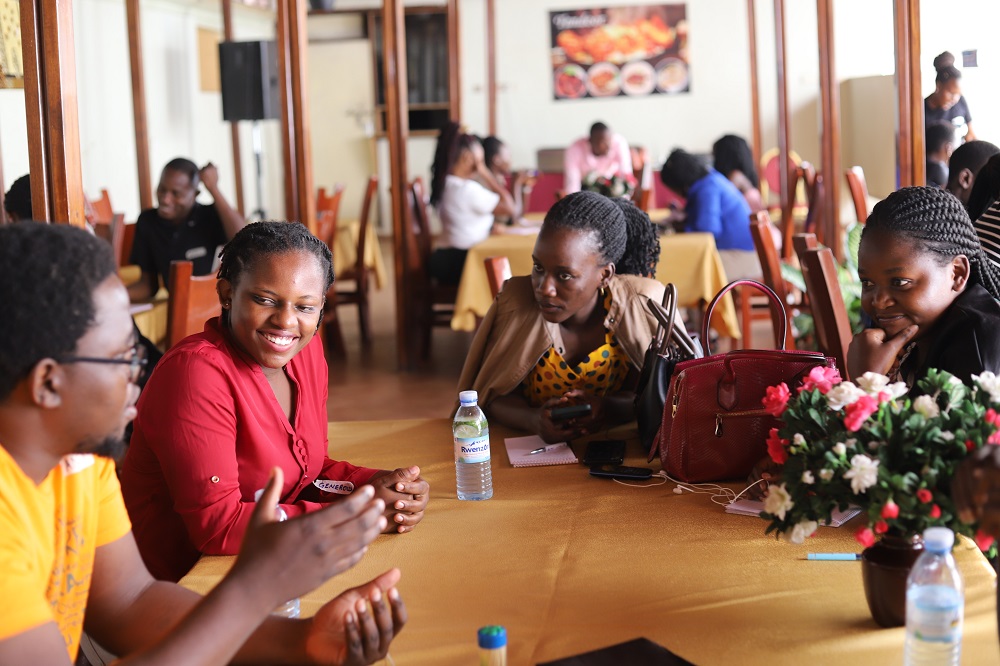
In March 2021, The Peace Centre enhanced the skills and attitude of women and youth leaders to effectively promote peace, enhance leadership and development that is gender-responsive. The training covered areas including conflict analysis (peacebuilding and reconciliation), governance, leadership and mediation skills. 101 Women and youth leaders (50 Women Leaders and 51 Youth) from Community-Based Organisations (CBOs), political, religious, cultural groups, and influential leaders took part in the training in the Kampala region.
We documented some of the women and youth peacebuilders’ stories and hope that other women peacebuilders in similar situations can draw learning and inspiration from these experiences.

Jalia Sekamate, Executive Director, Centre for Rehabilitation of Survivors of Acid and Burn Violence, Makindye
“The skills gained from the training inspired the women from Kampala to create and register an association called Women Resilience Centre (WRC). This association aims at bringing together women with different expertise to work together to promote peace in the communities using different approaches such as mediation and negotiation. Immediately after the training, we convened the first meeting and were able to bring together 14 women to brainstorm on the way forward as a group. We invited an inspirational speaker who emphasized the advantage of unity in order to achieve greater things. We later created a WhatsApp group, constituted an Executive Committee with I (Jalia) as the chairperson and Wanyana Catherine as the treasurer and embarked on the development of a constitution and registration process of the association. Our vision is to see the association grow into a big organization that will transform communities.
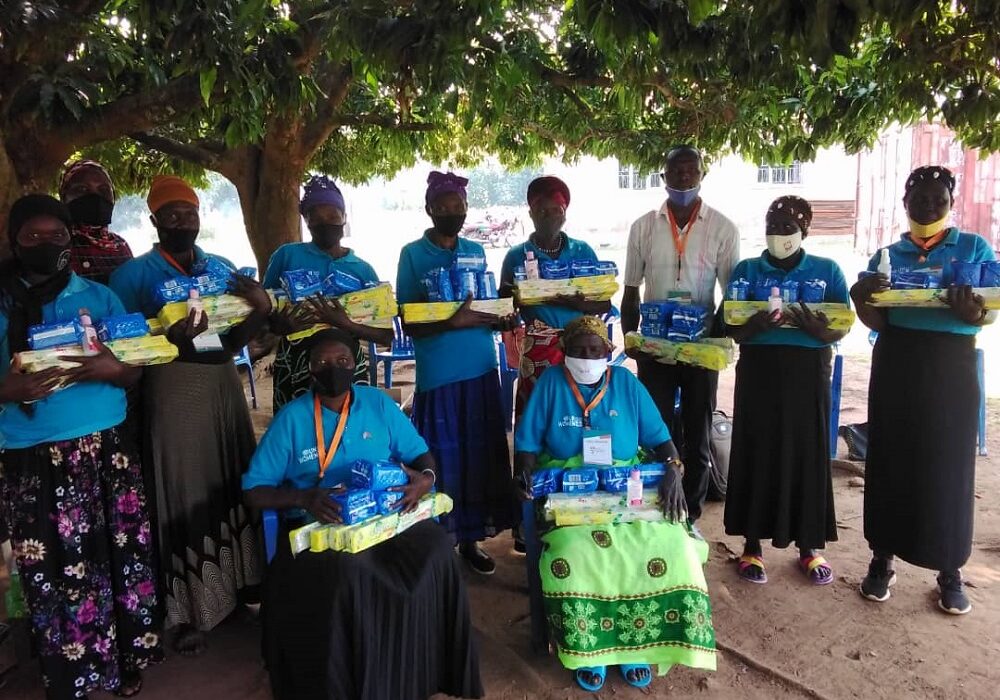
WRC has so far supported young mothers who were affected by COVID-19 and also those who got pregnant during the first wave. We have also provided counselling services. We have also mediated in cases of child neglect, parents disowning their daughters who got pregnant and GBV cases that have increased in the community due to lack of a stable income and the current lockdown situation. During this second wave, WRC mobilised and visited the neediest communities in Makindye and Rubaga buying them posho, beans and soap.
Unfortunately, the planned business exhibition by the association on 20th May 2021 was not held because of the lockdown however they plan to host one when the lockdown is eased and the spread of community cases has been contained- Jalia Sekamate, Executive Director, Centre for Rehabilitation of Survivors of Acid and Burn Violence, Makindye
Women are strengthening community-led initiatives for peace through this forum, in which they agreed to be a whistleblowers network on SGBV across cross-cutting challenges that undermine women’s agency. By undertaking this work, women leaders are challenging the status quo and promoting equality.
Alawo Florence Zam, Youth Leader, Naguru Barracks Ntinda
In my village, the number of school-going girls getting pregnant is high, especially between the ages of 13 and 15. From the training I was well equipped with communication and presentation skills thereafter, I was able to do some research to determine the number of girls who have not gone back to school due to pregnancy and with this information, I engaged with Alarm Uganda Orphanage to intervene and talk to the families of these girls and allow them to go back to school. We purchased scholastic materials and other necessary requirements for their enrollment in school. We continued to closely monitor the girls’ education and ensure that their guardians provided for them.- Alawo Florence Zam, Youth Leader, Naguru Barracks Ntinda
Poverty is a driver of violence and continuously increases women’s vulnerability to violence in all its forms. This was one of the outstanding discussions during training. Florence used her daily stipend to support 3 women in her community as she narrates below;
“I used to stay in the barracks and I witnessed the challenges that wives to soldiers go through every day due to over-dependence on the man as the breadwinner. Some women would come to me to borrow money to buy food and yet they did not have any source of income to pay back. I used to share with them some food to supplement what they have.
After the empowering sessions during the peacebuilding training, I reflected on how I can help my fellow women in the barracks to economically sustain themselves and their families. I convened a meeting with three women whom I shared with the knowledge acquired and at the end of the meeting I tasked each one of them to identify a small business that they can run within their homestead. I distributed the money equally with each one getting Thirty thousand shillings (UGX.30,000). One of the women started by frying cassava in the mornings and has now expanded to frying samosas as well, another started frying pancakes and the third one started selling Mandazi and has now expanded by selling passion juice. I am glad that these women are growing economically and can support their families as well.
When the husband of one of the women returned from his mission, he was very impressed and happy with how his wife has become creative. When the wife shared with the husband how the story began, he was motivated to come to visit me and expressed his gratitude and thanked me for making such a priceless contribution to his family. Until today all the women in the barracks call upon me for advice and refer to me as their saviour.” – Alawo Florence Zam, Youth Leader, Naguru Barracks Ntinda
These initiatives are a step towards women’s access and control of their economic resources. It guarantees them an improved livelihood, eases their access to healthcare, basic needs and food security.
Nakibuuka Proscovia, Business Woman, Nansana
“As a professional teacher, I have always desired to start up a school of my own but considering the little salary I earn, my dreams have almost been shuttered. My turning point was when I was invited by the Women’s International Peace Centre to attend a peacebuilding training at Hotel Emerald in Kampala. From the training, I am glad to say that my capabilities were awakened and my fears were erased. After the training in March 2021, I took the most important decision that I always had fears about. I resigned from my teaching and decided to do poultry farming as a business which I hope with the projected annual returns, I will be able to realize my goal in a few years to come. After that initial step, I researched the best type of birds to rear, developed a business plan and built the standard house for the birds. Currently, I have 300 birds and I expect my farm to grow to 10,000 birds by the end of the year. I appreciate the Peace Centre for empowering me and motivating me to work towards achieving my goals. I have learnt that life is only for go-getters.”- Nakibuuka Proscovia, Business Woman, Nansana
One of the training sessions covered economic empowerment and women and youth were encouraged to start up small businesses, achieve financial success, as well as take pride and celebrate their accomplishments.
Youth leaders
Nassuna Carol, Youth Counselor, Ggaba
“I was born and raised in a slum area referred to as “ghetto” in Ggaba in Kampala district where the poverty levels are so high. Most youth (boys and girls) in our area indulge in drug and alcohol abuse. To make it worse, the majority of the abusers are aged 10 to15 years old which has resulted in many girls in the same age bracket getting unwanted pregnancies.
After the training from the Peace Centre, I realized I have a big role to play as a Youth Leader in my community, to change the behaviour of the youth. I approached NGOs like World Vision and Uplift Uganda and we discussed effective approaches for intervention in the ghetto given that such groups are very sensitive and suspicious of people who are different from them.
The next day we called a meeting for all ghetto youth and here we convinced them of how they need to save for their future. From the meeting, the youth agreed to save UGX.2,000 (Two thousand shillings) every day and we formed a saving group called Achievers and Innovative Youth Savings Group which currently has 16 members actively saving. They started saving in April which has now accumulated to UGX.2,000,000 however since the lockdown in June, the group stopped saving but hope to resume when the current situation has eased. I am happy to say that most youths have taken up the saving culture as the driving force to reduce the money they were spending on buying drugs and focus on saving for their future needs.
I have also engaged with different organizations like Red Cross and Living Goods: a voluntary organization that trains door to door delivery services for pregnant mothers and children. In this period, we’ve managed to distribute food and sanitary materials to elderly women, pregnant mothers and children.
At a personal level, I thank the Peace Centre for empowering me to use my voice to influence change in my ghetto and I have gained confidence and knowledge and will use my voice to change the attitude of my fellow youth.” Nassuna Carol, Youth Counselor, Ggaba
Carol continues to cultivate leadership qualities and skills among young people in her community building on their knowledge and experience in leading change in their community.
Environmental conflicts are about power and structural inequalities, it is important to have solutions that address those root causes. The ways of addressing them vary and include community capacity building, class actions, litigation and movement building. Timothy and his organization EcONUTA Food Waste Company are working to promote food security and protect the environment by recycling and reusing food.
Timothy Mununuzi, Nutritionist
“This training was an opportunity for me to enhance the conceptualization of my project on Food Wastage and Hunger in Uganda. During the training, one of the sessions focused on environmental conflict and degradation, and also provided us alternatives on recycling and reuse. After the peacebuilding training, I reflected on a project that falls within my profession as a Nutritionist. Back home most people pay for garbage collection which largely constitutes the left-over foods from different homes. Out of this, I realized there is a lot of food wastage in my community which can be reprocessed either as manure, energy regeneration or distributed to vulnerable communities to supplement their food.
I am developing a proposal to start up an initiative to empower fellow youth through recycling wasted food. I plan to coordinate with hotels and restaurants in order to secure the supply chain which we shall later sort and categorize for different recycling processes. Currently, I am doing a lot of research with other firms to come up with a clear operational plan. I am determined to get more knowledge and skills to make my ideas realistic and beneficial to my community.”- Timothy Mununuzi, Nutritionist
The progress so far achieved by these women and youth leaders shows the urgency in empowering women and youth peacebuilders, mediators and agents of change. Peacebuilders continue to work on a range of socio-cultural, political, economic, environmental, personal and community level interventions as documented above, to minimize the impact of inequalities and conflict fragility. The various initiatives are reflective of strengthened capacities, improved competencies, personal growth, changing knowledge skills and practices to promote a culture of peace. The Peace Centre is committed to providing spaces and amplifying these voices of women and youth for peace and security.