Mediation Dialogues in the Host and Refugee Communities in Adjumani District

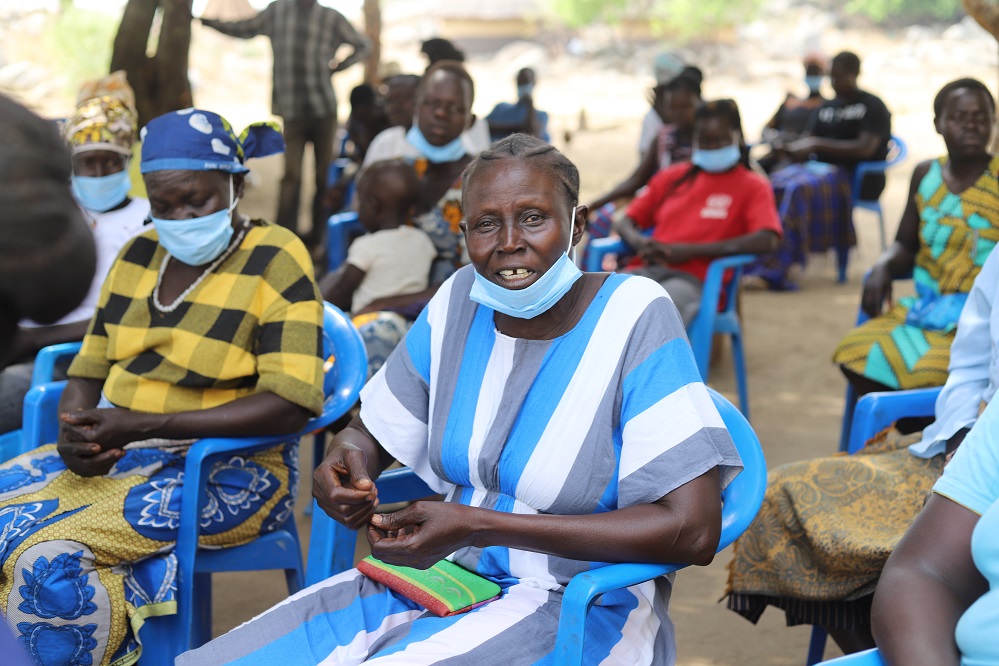
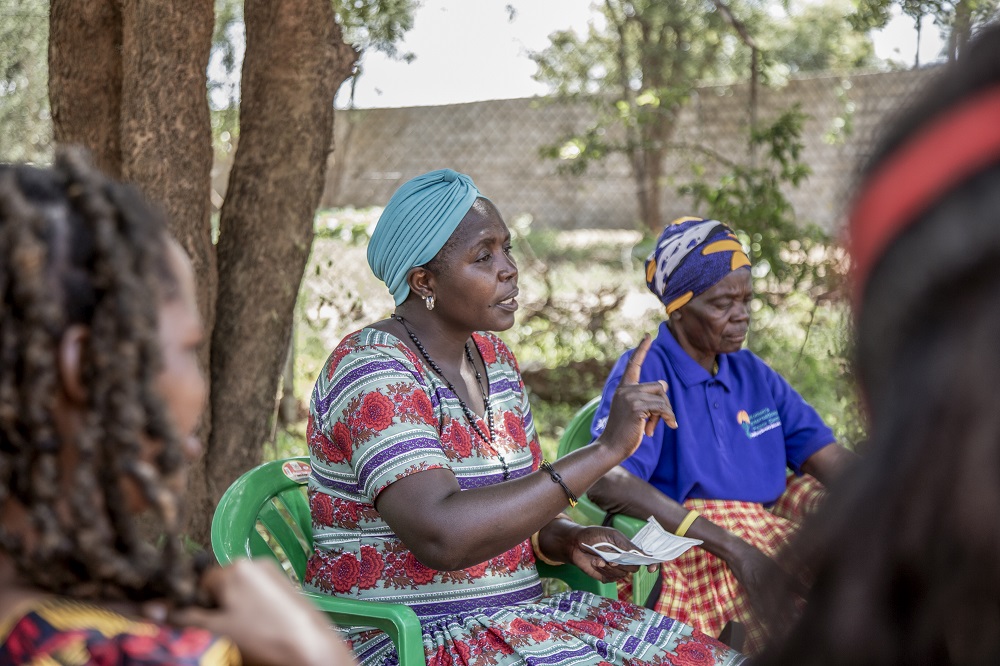
Tensions between refugees and the host communities over natural resources, livelihoods and land have sparked a few violent incidents and if not properly addressed could escalate into a broader conflict. The Peace Centre held 2 peace mediation sessions on 28th February and 5th March in Agojo refugee settlement over resource conflicts between the refugee and host community and a land conflict between the community of Ciforo and the Local Government over compensation of landowners whose land has been encroached by the opening of roads in Ciforo Central. 

Read More “Mediation Dialogues in the Host and Refugee Communities in Adjumani District”

Stakeholder’s Advocacy Dialogue at District level to Address Peace and Security Issues

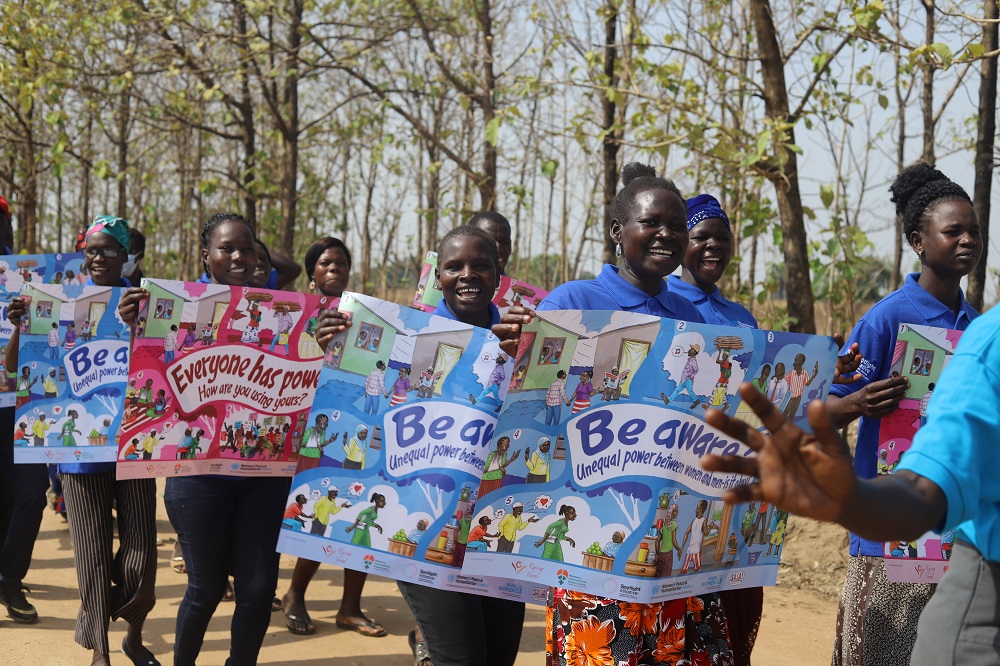
On 3rd March 2022, the Peace Centre convened a Stakeholder’s Advocacy Dialogue in Adjumani for women leaders and duty bearers at the District level to interface on women, peace and security issues. The meeting brought together 40 participants including community activists, village councillors, cultural leaders, local council leaders and district leaders.

The dialogue discussed key advocacy issues such as high bride price alcoholism, drug abuse, teenage pregnancies, poor performance and low education of girls, Land and property rights, polygamy and its associated effects by stakeholders in the course of implementing action against GBV and creating peace within communities.

During the meeting, stakeholders resolved on;

  • The need to emphasise family consent in handling land matters.
  • Continuous sensitization among refugees
  • Documentation of agreements regarding land utilization
  • The need to advocate for mindset change since most people’s minds are dominated by cultural norms that perpetuate violence against women.
  • Need to profile role model men for men to appreciate violent free relationships.
  • Design activities that engage the entire household.
  • Partners to consider incorporating gender action learning tools in the GBV prevention methodology.
  • Local council 5 office to ensure implementation of the district ordinance on time for taking alcohol and make more copies available to the stakeholders at different levels.
  • Emphasize the benefits and enhance awareness for the community to embrace change.
  • Need to emphasize on rights-based approach with women and children being considered in all aspects of development

The meeting also clarified on Uganda’s constitution allowance for the free movement of refugees and peaceful coexistence. This implied that refugees cannot be denied access to animals because of limited grazing land considering that some are pastoralists. As a solution to the problem of stray animals, fines were imposed for both refugees and host communities whose animals are caught straying in people’s gardens.

By the end of the meeting, stakeholders resolved that every one of them had a role to play in ensuring peace in the community by taking action to drive the change they desire to see rather than waiting for others to cause the change for them.

“Conflicts start with us and it’s us to cause change because without peace all that we invest in is vanity. We should not wait for parliament to come and cause a change in our community” the Vice-chairperson LC5 emphasised.

Monitoring, Mentorship and Technical Support for Community Activists

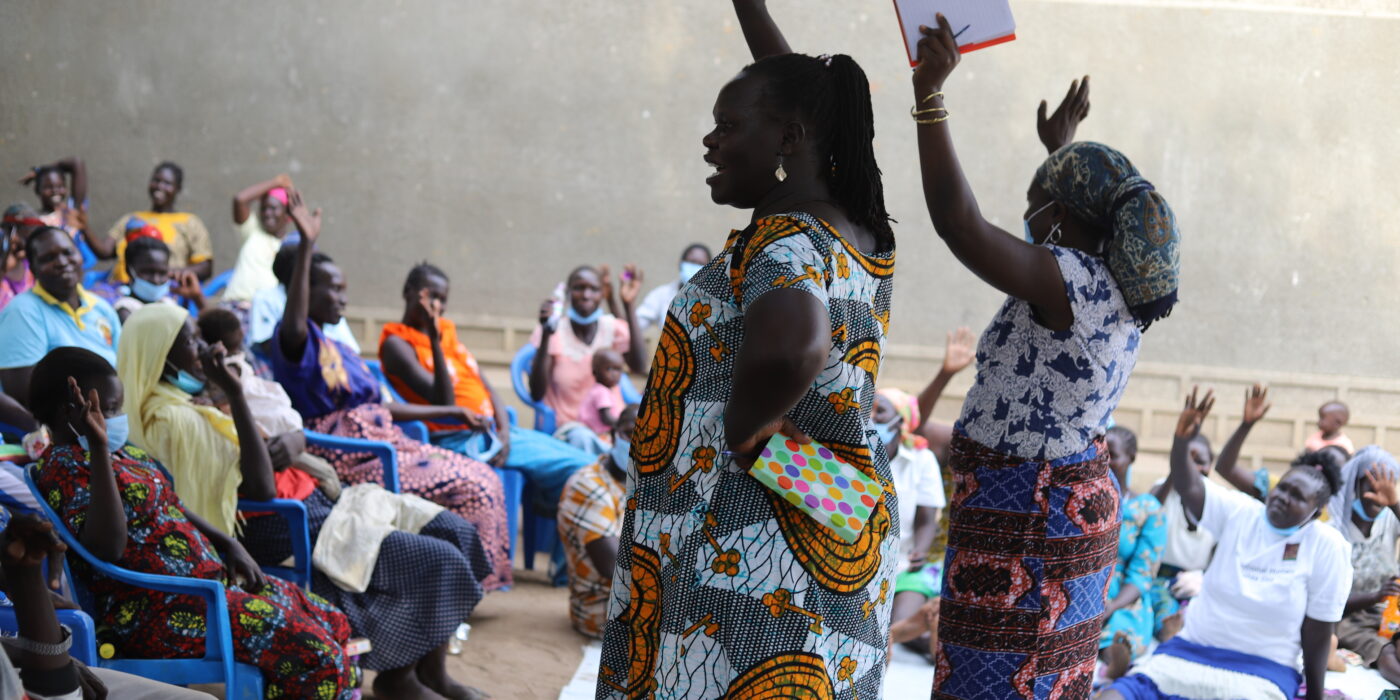
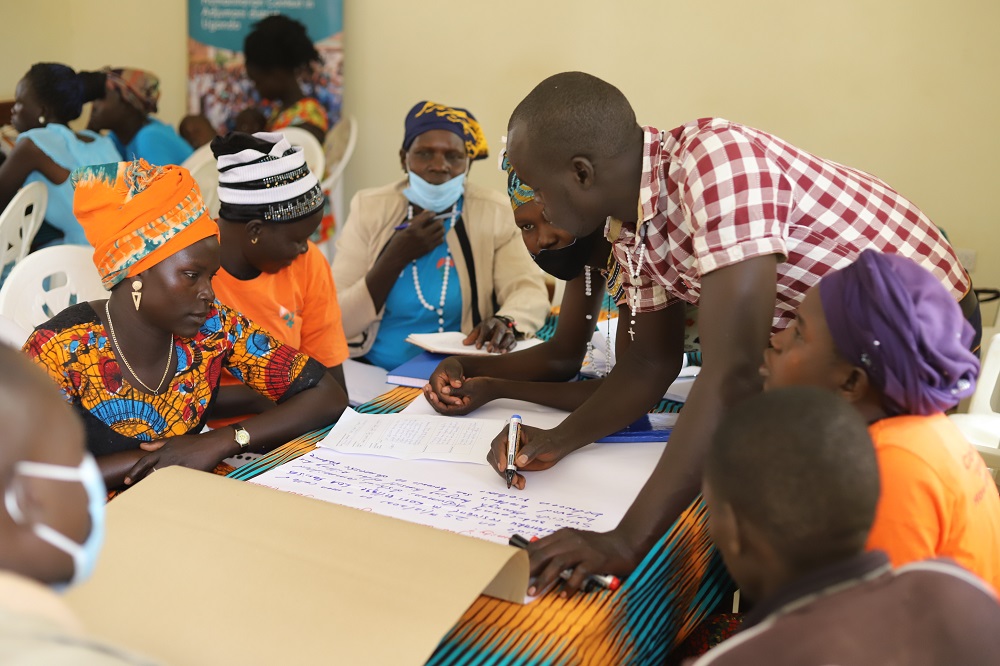
On 24th February, The Peace Centre held a monitoring, mentorship and technical support workshop with 30 Community Activists from the host community of Ciforo Sub County and refugee communities ofAgojo settlement. The purpose of the workshop was to document the actions taken by community activists in preventing and responding to violence against women collectively or individually.

Read More “Monitoring, Mentorship and Technical Support for Community Activists”

Recommendations from the 38th GIMAC on Advancing Women’s Access to Economic Resources to Build Our Continent’s Resilience in Nutrition.

The Gender Is My Agenda Campaign (GIMAC) Network virtually convened the 38 GIMAC, in line with the African Union (AU)’s decision to spotlight the critical role of nutrition in facilitating a healthy and prosperous continent. The meeting took place against the backdrop of various normative frameworks adopted by the African Union, in pursuit of a healthy continent, including the 2014 Malabo Declaration on Accelerated Agriculture Growth and Transformation, which committed to ending hunger and reducing child stunting to 10 per cent and the underweight to 5 per cent by the year 2025. The 38 GIMAC further recognized the adoption of several normative instruments and policies such as the Africa Health Strategy 2016 – 2030; the Africa Regional Nutrition Strategy 2015 – 2025 (ARNS); the Declaration on Nutrition Security for Inclusive Economic Growth and Sustainable Development in Africa; and the Resolution on the Establishment of an Organization of African Unity (OAU) Inter-African Centre for Food Science, Technology and Nutrition.

Read More “Recommendations from the 38th GIMAC on Advancing Women’s Access to Economic Resources to Build Our Continent’s Resilience in Nutrition.”

Impact of the COVID-19 Pandemic on Women, Peace and Security in South Sudan

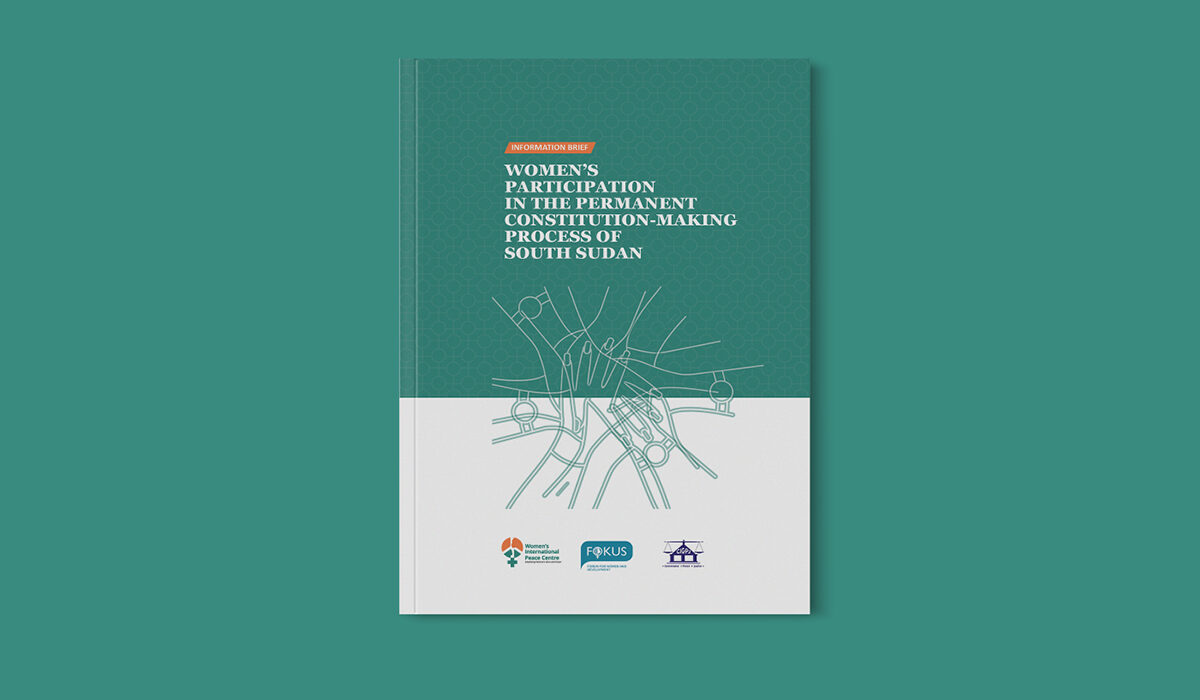
In 2021, The Peace Centre in partnership with FOKUS conducted research on the advent and the impact of the COVID-19 pandemic on critical political, social and economic issues that have a direct bearing on women, peace and security in South Sudan.

The research is intended to inform stakeholders’ context-specific response around women peace and security that is evidence-based.

Download a copy here; Impact of the COVID 19 Pandemic on Women Peace and Security in South Sudan Research Report

38th GIMAC: Advancing Women’s Access to Economic Resources to Build Our Continent’s Resilience in Nutrition.

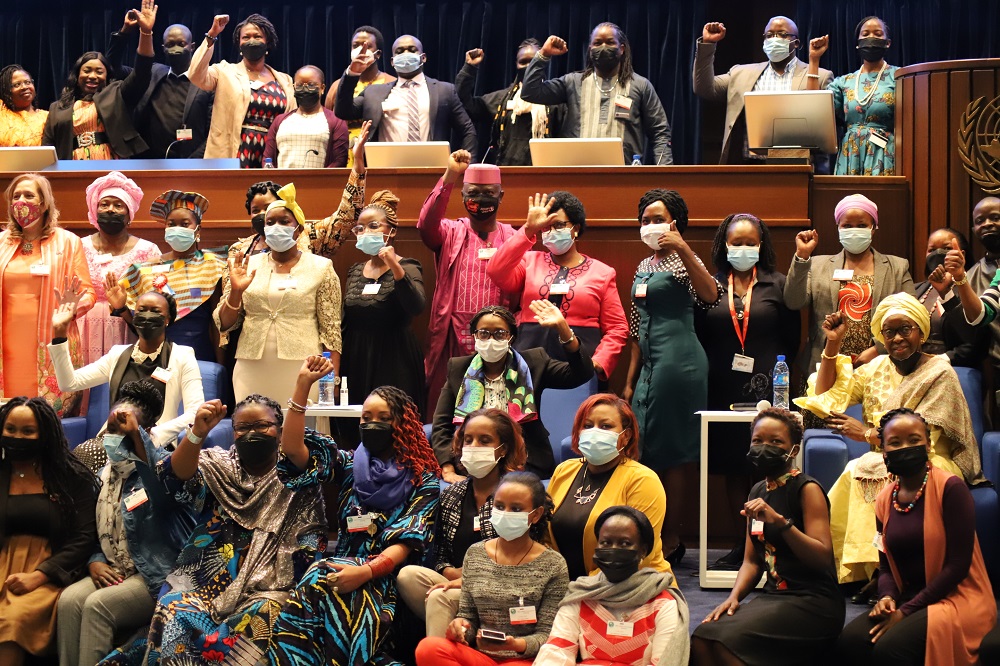
From 1st to 4th February 2022,  the Gender Is My Agenda Campaign (GIMAC Network) convened its 38thVirtual Pre-summit CSOs Consultative meeting under the theme: Advancing Women’s Access to Economic Resources to Build Our Continent’s Resilience in Nutrition in Addis Ababa

The 38th GIMAC was co-moderated by Women’s International Peace Centre(The Peace Centre) and the Institute for Social Transformation, with support from the AU Commission for Social Affairs, the Office of the Special Envoy on Women, Peace and Security and the AU Women, Youth, Gender and Development Directorate (AU YWGDD) sought to achieve the following objectives through the Pre-Summit Consultation;

  1. Consolidate CSOs’ review of the AU legal and strategic framework on food security and nutrition taking a gender-transformative approach, focusing on achievements and critical gaps towards implementation;
  2. Propose rights-based, inclusive, effective, and efficient strategies that enhance and utilize the agency and role of women and girls in realizing the vision for ending hunger and addressing hunger;
  3. Strengthen intergenerationally and gender transformative approach towards the transformation of societal norms and institutional structures that guarantee a conducive environment for women’s human and economic rights;
  4. Celebrate, document, and share best practices on innovations and positive approaches on gender and nutrition that advance gender equality; and
  5. Provide space for African CSO’s strategic engagement with AU, RECs, UN Agencies, International Organizations, and other stakeholders.

Held in a hybrid and in-person format, the meeting brought together over 200 delegates from more than 20 countries, representing the AU, United Nations officials, Diplomatic missions, development partners, civil society organizations (CSOs), the private sector and other interested groups. Key partners that participated in meetings included the United Nations Entity for Gender Equality and the Empowerment of Women (UN Women), the United Nations Economic Commission for Africa (UNECA), Plan International, MSD for Mothers, Oxfam, the International Planned Parenthood Federation (IPPF), and Action Aid.

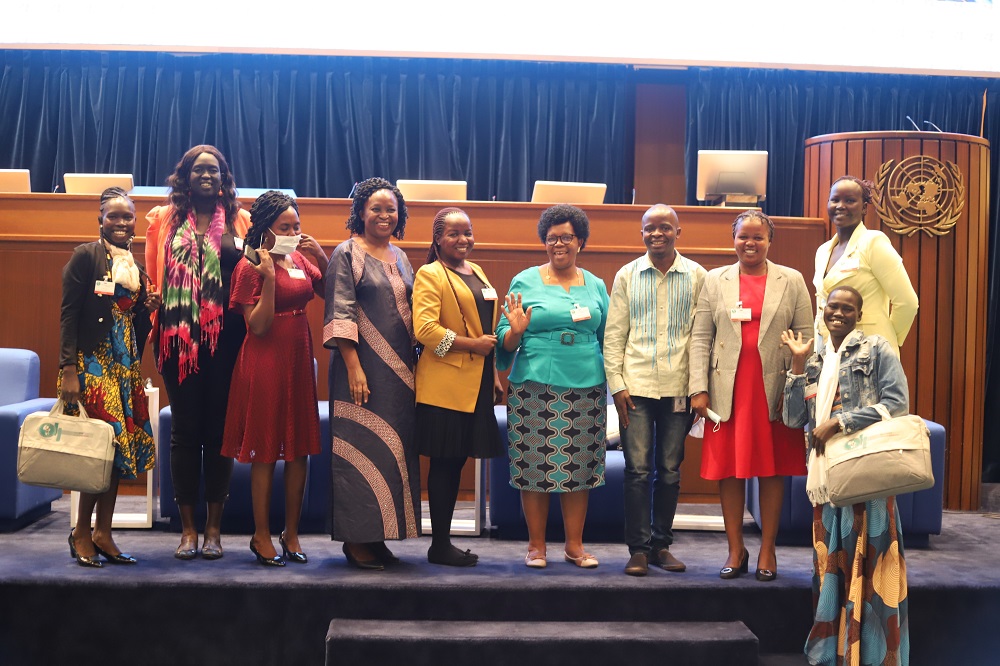
The Peace Centre facilitated partners of 3 national partners from Burundi, South Sudan and the Democratic Republic of Congo (DRC) in the pre-summit meeting to inform discussions around the 2022 African Union (AU) Assembly of Heads of Ste and Government.

Partners made presentations and recommendations that were received by the AU Women Gender and Youth Directorate (AUWGYD) Director, AU Special Envoy on Women, Peace and Security, the AU Envoy on Youth and East African Community representative for presentation to technical committees and member states representations.

These focused on the need for the AU, Regional Economic Communities (RECs) and member States to mainstream gender equality in food security responses in fragile states and to strengthen gender inclusiveness in its preventive diplomacy, conflict prevention, peace-making, peacebuilding and post-conflict reconstruction.

Given that 38GIMAC was held against the backdrop of the pandemic seismic shifts triggered by the Covid-19 pandemic, especially disruptions on the continent’s livelihoods and economies, participants noted how the corresponding mitigation measures such as partial lockdowns, border closures and movement restrictions, have been at the expense of reducing malnutrition.  The unprecedented Covid-19 prevention protocols not only resulted in constricted business activity, but also disrupted food supply chains, and curtailed small-scale agriculture, which is the main source of food and nutrition security in Africa. Not to talk of the full, and partial closure of schools, which resulted in a loss of access to school-feeding programmes, which has negatively affected the lives of children. Additionally, safety net programmes, including community nutrition programmes for women and children that were temporarily halted, exposed populations to food insecurity.

The recommendations from the 38 GIMAC Pre Summit meeting also emphasized the need to address structural and systemic drivers of poverty, gender inequality and socio-economic vulnerability, discrimination and violence against women and girls, as well as challenges of corruption, poor governance and limited political participation by women and youth.

SEE RECOMMENDATIONS
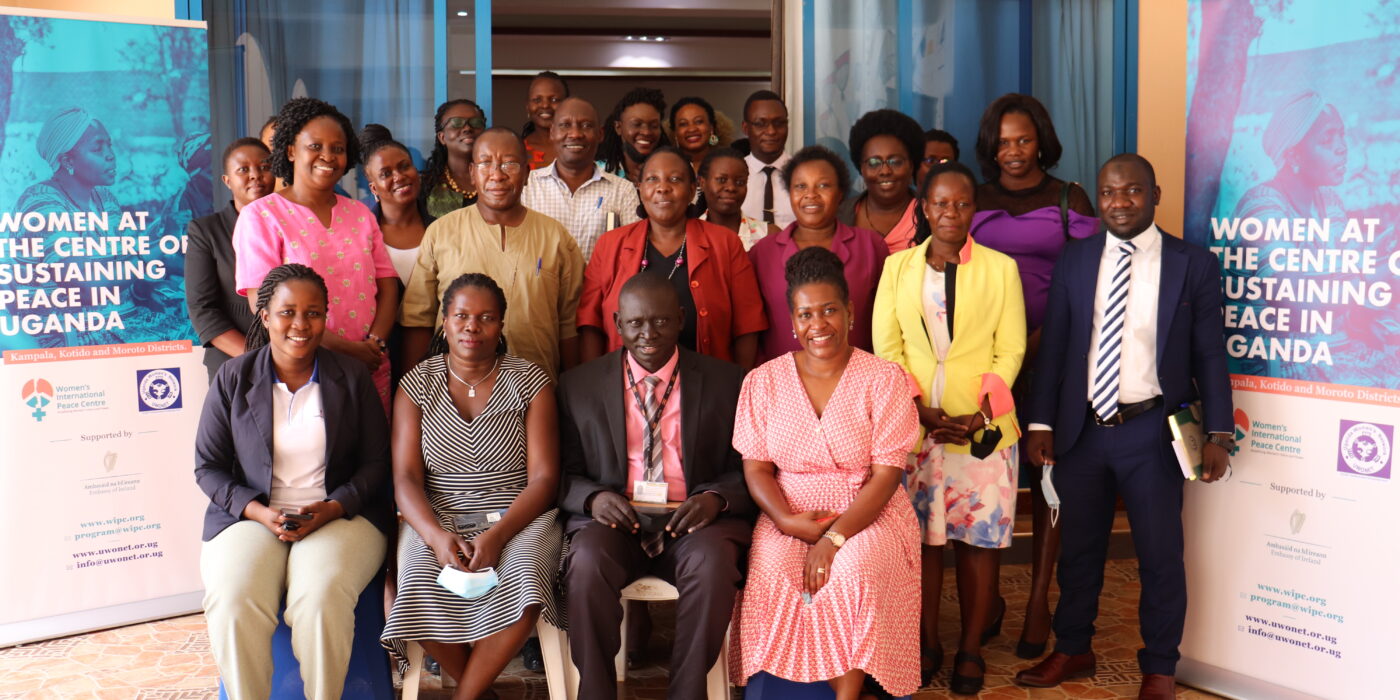
Women at the Centre of Sustaining Peace in Uganda

Women’s International Peace Centre and the Uganda Women’s Network (UWONET) with support from The Embassy of Ireland are partnering in an 8-month project “Women at the Centre of Sustaining Peace in Uganda” to promote the implementation of Uganda’s National Action Plan III (2021 – 2025) on Women, Peace and Security (WPS) at the national level and in Karamoja, particularly Kotido and Moroto districts from January to August 2022.

Read More “Women at the Centre of Sustaining Peace in Uganda”

Young Urban Refugee Women Leaders Trained on Women Peace and Security

The Peace Centre in partnership with the Global Fund for Women is implementing a project Promoting Young Urban Refugee Women’s Leadership in Peacebuilding in Uganda aimed at promoting young urban refugee women and GBV survivors; leadership in peacebuilding processes and mechanisms in Uganda. As part of the project, the Peace Centre conducted a 3 days training of 30 young urban refugee women representatives from refugee-led organizations in Makindye division on advocacy and influencing, on UNSCR 1325, the contents, processes, and mechanisms associated with Uganda’s National Action Plan on UNSCR 1325 from 12th to 14th January 2022.

Read More “Young Urban Refugee Women Leaders Trained on Women Peace and Security”

2020 Annual Report

2020 was a pivotal year for gender equality. We marked 25 years of the ambitious Beijing Declaration and Platform for Action, and 20 years of the landmark UN Security Council Resolution 1325 on Women, Peace and Security (WPS).

However, the year also brought a health crisis, COVID-19 that exacerbated the existing gender inequalities. The COVID-19 pandemic affected the implementation of project activities and as a result, the methodology of some projects changed to use alternative means to meet the same goal. We adapted to organize more online meetings, cut down on meeting size, to include protective gear such as masks and sanitiser as essential materials for all activities and our staff continued working from home and accessing the office in shifts as needed.

Throughout 2020, it was inspiring, energizing and refreshing to see, women collectively and fiercely pushing boundaries for Feminist Peace. Looking back, we share with you some of our most significant moments resulting in impact and lessons learnt in our peacebuilding work in Burundi, the Democratic Republic of Congo, Nepal, South Sudan and Uganda.

The Peace Centre’s 2020 Annual Report