Maximising Youth Potential in Peacebuilding Processes

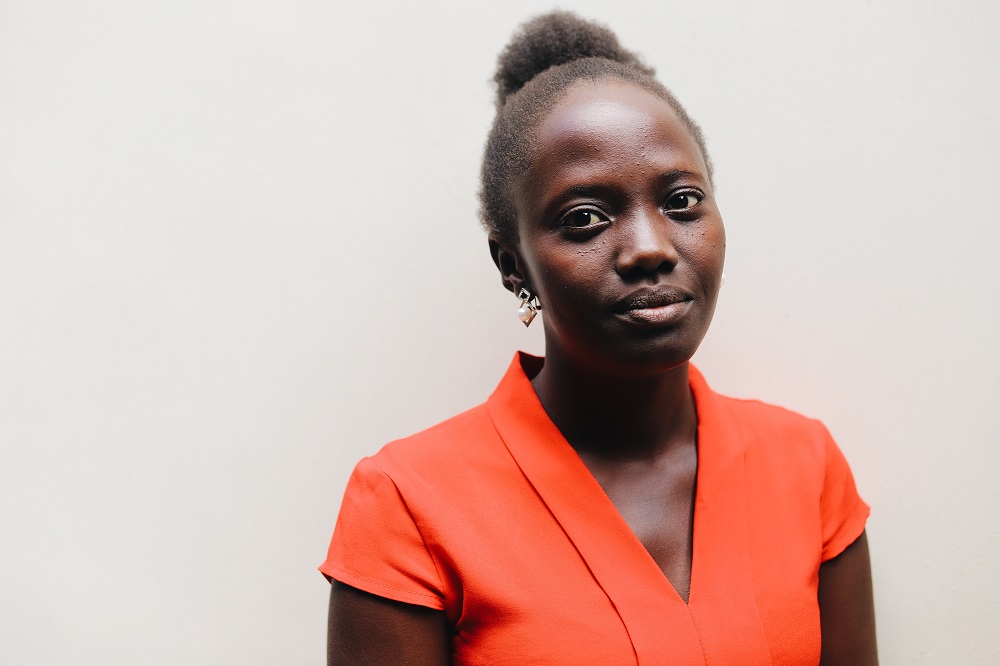
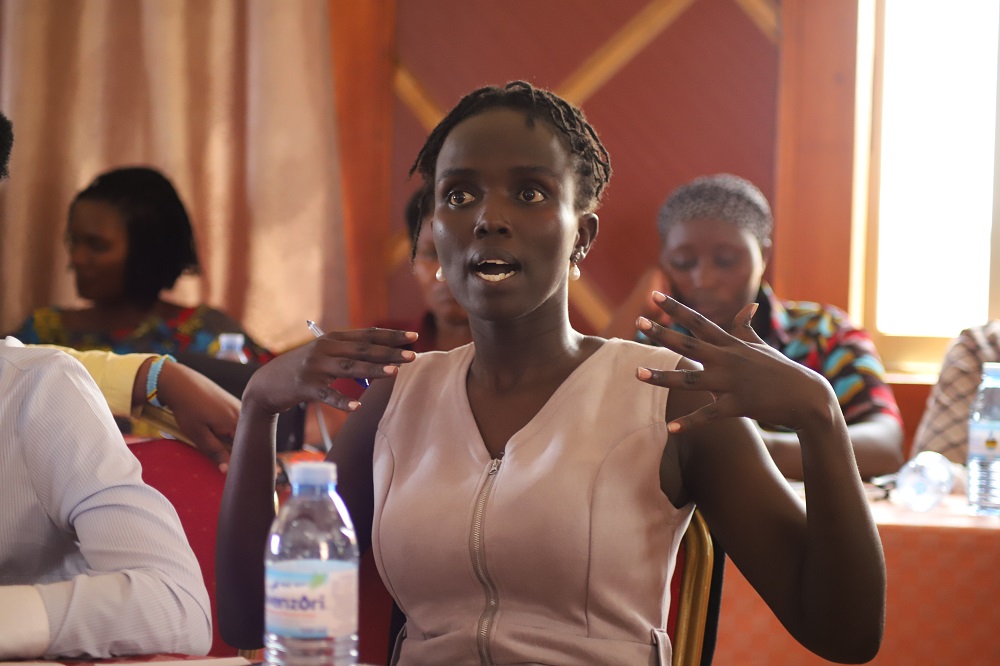
In Uganda, more than 78% of the population is below the age of 30. These represent an enormous untapped potential that can significantly contribute to the country’s political and social development if they are actively involved in influencing, shaping, designing and contributing to policy formulation and development processes. That being said, it is critical that youth inclusively participate in peacebuilding processes to ensure sustainable and inclusive peace.

Read More “Maximising Youth Potential in Peacebuilding Processes”

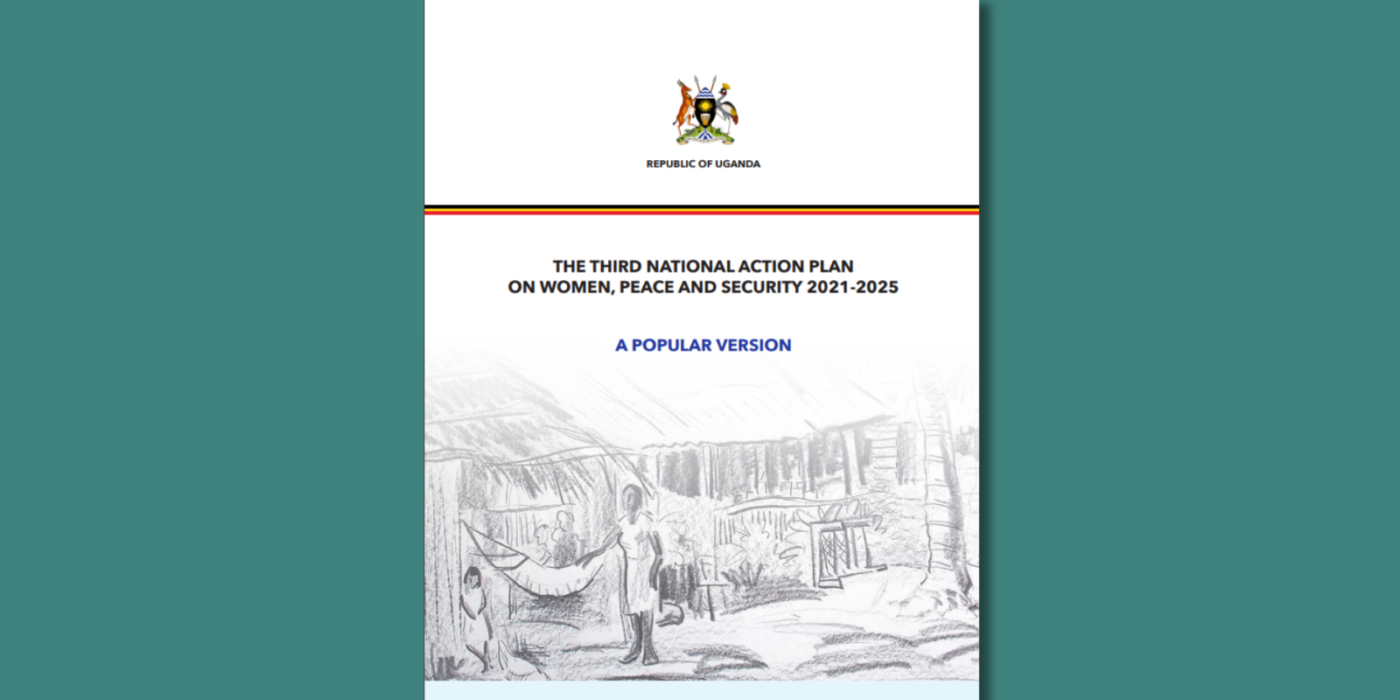
NAP III Popular Version

The Government of Uganda recognizes the critical importance of ensuring
sustained peace and security through enhanced meaningful participation
of women in peace and development processes and is committed to the
implementation of the National Action Plan III (NAP III) on Women, Peace and
Security (WPS) 2021-2025.

The development of NAP III was premised on the lessons learnt from the previous two NAPs, i.e. the NAP 1 (2008-2010) and NAP II (2011-2015). with a new focus on investing in rigorous and addressing the challenges that prevail in achieving lasting and inclusive peace through women’s meaningful participation.

Download the NAP III : NAP III – Popular Version

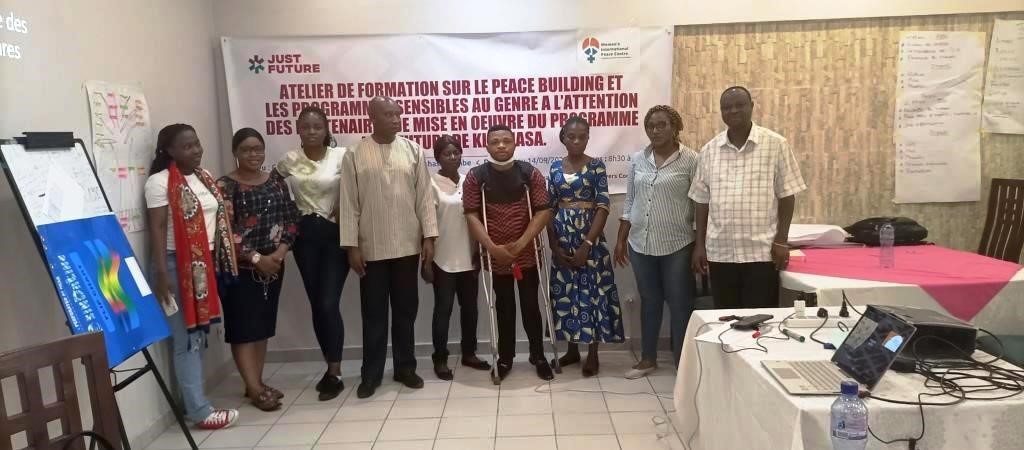
Civil Society Organisations’ Training On Peacebuilding, Gender-Sensitive Programs, and Advocacy for The Effective Implementation of United Nations Security Commission Resolution 1325 in Kinshasa, Democratic Republic of Congo

From 12th to 14th  April, civil society organizations in the Democratic Republic of Congo involved in the implementation of the Just Future program were trained on consolidation of peace, gender-sensitive programs, and advocacy for the effective implementation of United Nations Security Council Resolution 1325 on Women, Peace and Security by Women’s International Peace Centre.

The 3-day training took place in Kinshasa and brought together 13 participants including 7 women and 6 men with the main objective of providing knowledge and skills to partner civil society organizations for the integration of gender in their policies and interventions. 

The training was based on the andragogical method which allowed the partners to participate in the planning and evaluation of their learning. It was participatory, interactive and involved cross-sectional discussions to allow participants to contribute to their own understanding of the theme.

At the end of the training, the 13 participants had a better understanding of the basic concepts of gender equality in development; had the methodological tools to improve the integration of gender equality in the design, planning, execution, monitoring and evaluation of community-based projects in the internal functioning of their organizations and adopted gender-sensitive behavior including positive masculinity.


Enhancing the Capacity of Young Women Leaders on Physical and Digital Protection

Digital security is of serious concern, especially since people spend more time online than ever. COVID-19 pandemic led to isolation and social distancing measures which meant that everyday activities like work and schooling were shifted online. The presence in digital spaces increases exposure to digital threats, which in turn creates the need for greater awareness of how to safely navigate the online world. From 23rd to 25th March 2022, the Peace Centre organised a physical and digital protection training.

Read More “Enhancing the Capacity of Young Women Leaders on Physical and Digital Protection”

Women Peace and Security Reflection Workshop on NAP III Implementation, Progress, Gaps and Opportunities.

The Government of Uganda through the Ministry of Gender Labour and Social Development (MGLSD) launched the third National Action Plan (NAP) III on Women, Peace, and Security on 8th March 2021 amidst COVID- 19 restrictions which was hugely consultative.

It is in this regard that the Women’s International Peace Centre in collaboration with Coalition for Action on 1325, and its partners convened a National Women, Peace and Security Forum on 22nd April 2022 in Kampala to achieve the following objectives;

  1. Increase knowledge and understanding of the M&E framework for NAP III
  2. Document what has been achieved and lessons learnt in the first year of the NAP implementation
  3. Cross-learning with women peacebuilders from other East African countries for more effective WPS implementation.

The forum brought together 96 participants (75female and 21 male) from different sectors including Ministries Departments and Agencies, UN Agencies, Embassies, NAP III Steering committee members, Security institutions, Local Government, Civil Society Organisations (CSOs) at the national level and grass root level, the academia, the media, youth peace ambassadors and international WPS players from Kenya, Democratic Republic of Congo and South Sudan.

It also facilitated a review and discussed progress, challenges, emerging issues and recommendations to improve the NAP III implementation process after one year of its launch in 2021.  This increased knowledge and understanding of the monitoring and evaluation framework for NAP III, documented key achievements and lessons learnt and facilitated cross-learning with women peacebuilders from other East African countries for more effective Women Peace and Security implementation.

Discussions from the meeting provided a platform for different players from Kenya, South Sudan and Uganda to share experiences in terms of best practices, progress made, challenges and recommendations to best implement National Action Plans on Women Peace and Security agenda. This aimed at inspiring and increasing understanding of what is being done by different stakeholders and countries to best implement the WPS agenda.

By closure of the forum, commitments were made by different partners including leaders of CSOs, UN Women, Austrian Development Agency, Ministry of Gender, Labour and Social Development with each committing to play a significant and unique role in the implementation of the NAP III. These commitments included; continuously working with international agencies, CSOs, and local governments to find lasting solutions to the increasing number of refugees in Uganda, working with the government of Uganda through MGLSD and CSOs to increase funding for effective implementation of NAP III through localization and other strategies, increasing efforts through CSOs and government towards addressing crisis including teenage pregnancies in Uganda to mention but a few.
 

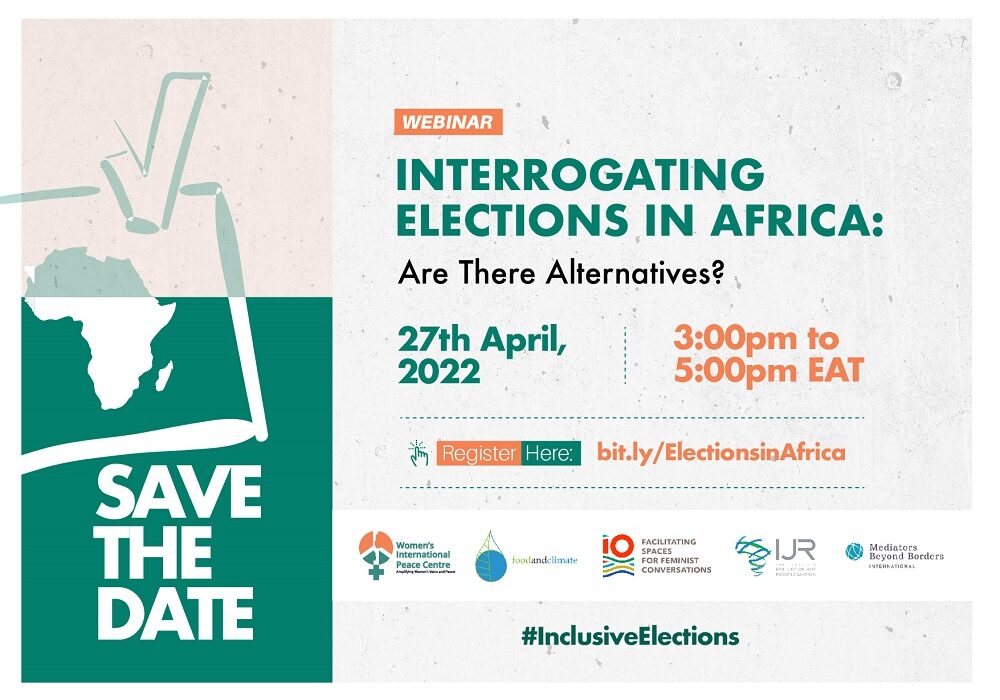
UN Commission on the Status of Women 66: Advancing Feminist Peace in the Context of Climate Change

What does advancing Feminist Peace in the context of climate change look like?

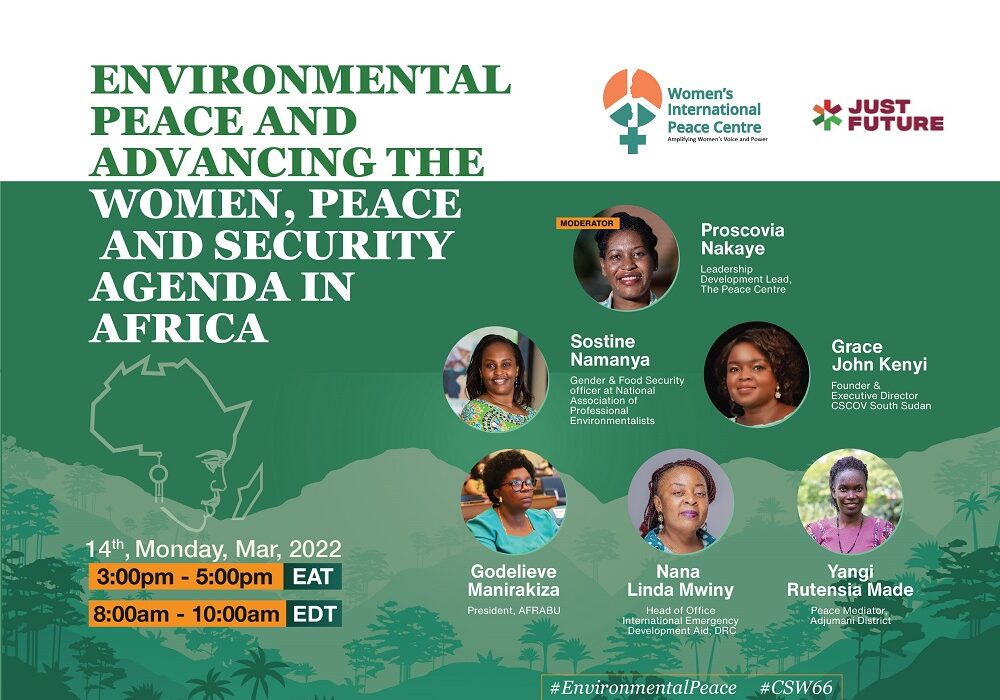
Women’s International Peace Centre hosted a parallel event on 14th March at the 66th United Nations Commission on the Status of Women to further discussions on gender equality as it relates to climate change and environmental risk reduction within conflict-affected settings with a focus on women’s experiences and recommendations for advancing peace in this context.

Read More “UN Commission on the Status of Women 66: Advancing Feminist Peace in the Context of Climate Change”

GIRLS’ POWER CAMP ENHANCING LEADERSHIP SKILLS

By deliberately working towards tracking and supporting the well-being of women and girls through trauma healing and overcoming critical steps to wholesomely recover from war impact, Women’s International Peace Centre from time to time organises camps for adolescent girls from different schools in conflict affected areas.

On 4th and 5th March 2022, the Peace Centre organised a Girls’ Power Camp at Orungo Primary School in Amuria district under the theme ‘Building our leadership’ aimed at raising awareness on sexual and reproductive health rights, leadership, and managing the evolutionary trends of COVID-19.

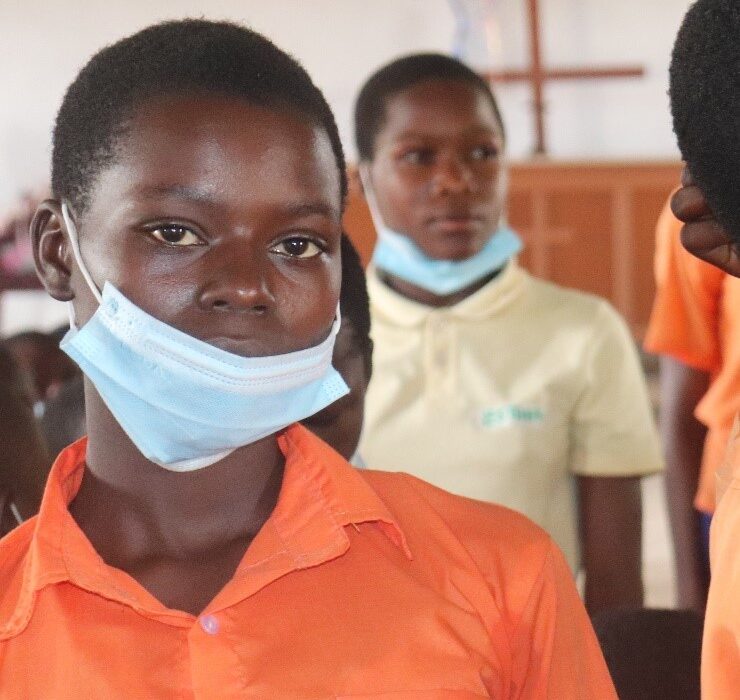
The two-day camp brought together a total of 171 female students from Primary Five, Six, and Seven.

Sessions facilitated in the camp included; –

Reflection on pupils’ lives.

The session examined the impact of the closure of schools and the new challenges emerging with the new trends in COVID-19. Responses from the students reflected an increase in; orphaned children as a result of parents’ death from COVID-19, forced early marriages, teenage pregnancies, unsafe abortions, child abuse, GBV in form of sexual harassment, and many more.

Understanding our bodies

This session dealt with the physical and physiological changes during the growth and development of adolescent girls and how to understand their bodies. The physiological changes discussed included; Early marriage and childbearing; Contraction of infectious diseases like (AIDS/sexually transmitted infections); Sexual orientation, abuse or violence, and gender discrimination.

With the physical changes, Sr. Safia Ibiara explained that girls in their adolescence stage would start to experience breast enlargement, growth of pubic hair around their vaginal area, and menstruation which was defined as the shedding of the inner lining of the uterus/uterine wall that occurs during the stage of ripeness called ovulation.

The discussion also highlighted the facilitator’s recommendations for young girls to follow. These  included;

  • Growth and development happens differently for everyone therefore girls were to stop comparing themselves to others. They were discouraged from using creams that had become popular for hip and buttock enhancement.
  • Menstruation is a natural occurrence that begins as early as 8/9 years old and therefore those who started menstruating shouldn’t feel embarrassed.
  • Students to take extra care of their vaginal health by frequently washing themselves and their private parts. They were encouraged to keep their undergarments clean and ensure personal hygiene was maintained especially during their menstruation period by bathing twice/thrice a day where applicable.
  • Pubic hair is natural and therefore they shouldnot be ashamed of it. Young girls were encouraged to shave regularly using a clean razor blade or a shaver.
  • Avoid having bad odor from poor hygiene and rather use deodorant or antiperspirant where applicable.
  • Brushing teeth twice a day and were taught to brush in a circular motion and ensure they scrubbed their tongues as well.
  • Ensuring smartness by keeping nails short and neat, ironing uniforms, keeping uniforms neatly tucked, and clothes clean.
  • Abstaining from sex as they were still young. They were informed about HIV/AIDS, an incurable sexually transmitted disease, and other infections like Gonorrhea and Syphilis which caused health complications for young girls.
  • Another consequence of what Sr. Safia termed as pre-mature sex was early pregnancy which also posed more complications for young girls like vaginal fistula that would lead to uncontrollable passing of urine.
  • Seeking counsel with their senior women teachers or other teachers they felt comfortable with in cases where they had no other adult to rely on; on issues relating to their sexual and reproductive health, as well as their general well-being.

Finally, students were taught step by step practical skilling on making re-usable menstrual pads.