Training of District Peace Committees

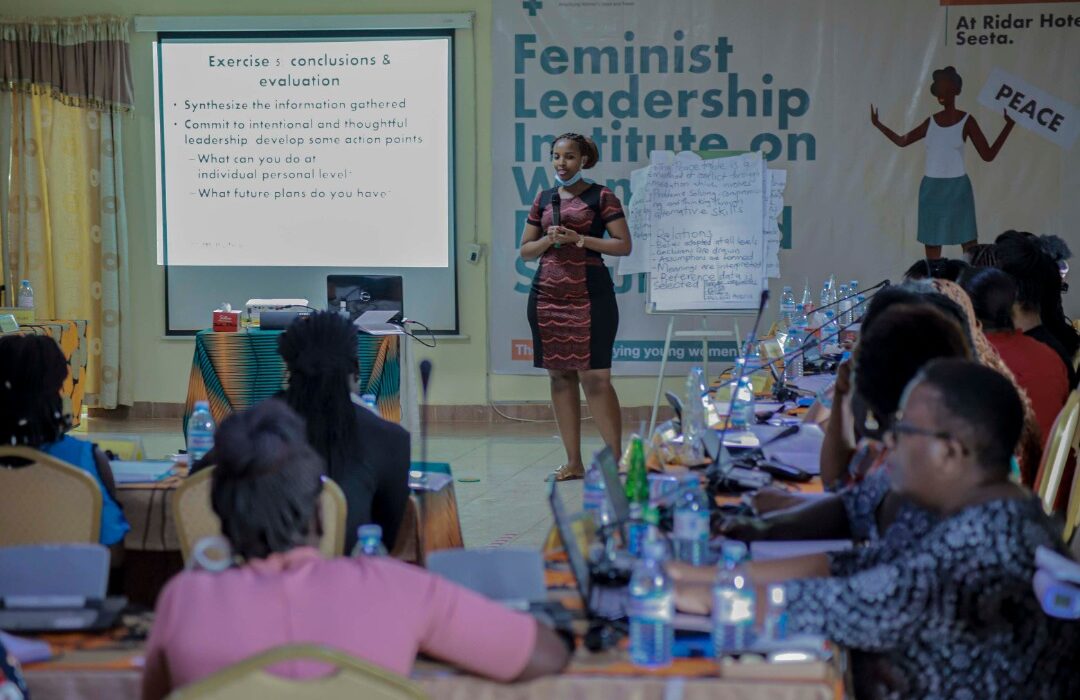
The Peace Centre this week trained 66 District Peace Committee members (46 males and 20 females) to play their peace building role more effectively while mainstreaming gender and embracing conflict early warning and early response mechanisms at District level. This was carried out through  three trainings sessions organized by the Peace Centre for 60 District Peace Committee members in Kotido, Adjumani  and in Yumbe where 2 days were allocated to each District with 20 participants each.

The Conflict Early Warning and Early Response system that Uganda is using provides for peace structures at National, District, Sub County, Parish and Village level but on ground the committees were not fully functional and lacked understanding on their mandate. The trainings focused on IGAD, Conflict Early Warning and Response Mechanism (CEWARN) background, mandate, activities and role of District peace committee, frameworks and methods of conflict early warning, formation of local peace structures, engendering the conflict early warning and early response system at District level. As the peace structure mandated to coordinate peace initiatives at District level, the committee now have a better understanding on their role, operations, mainstreaming gender in peace building, conflict early warning and early response system and pledged to utilise the skills gained in their peace building work.

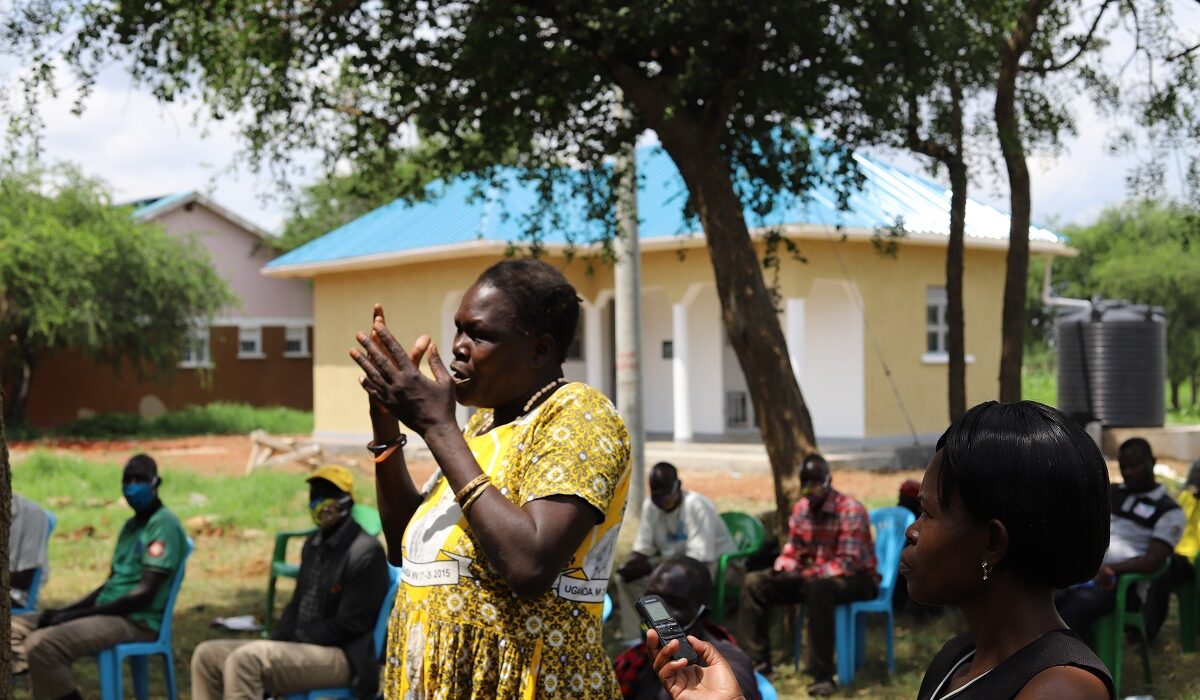
Official opening by the RDC Adjumani

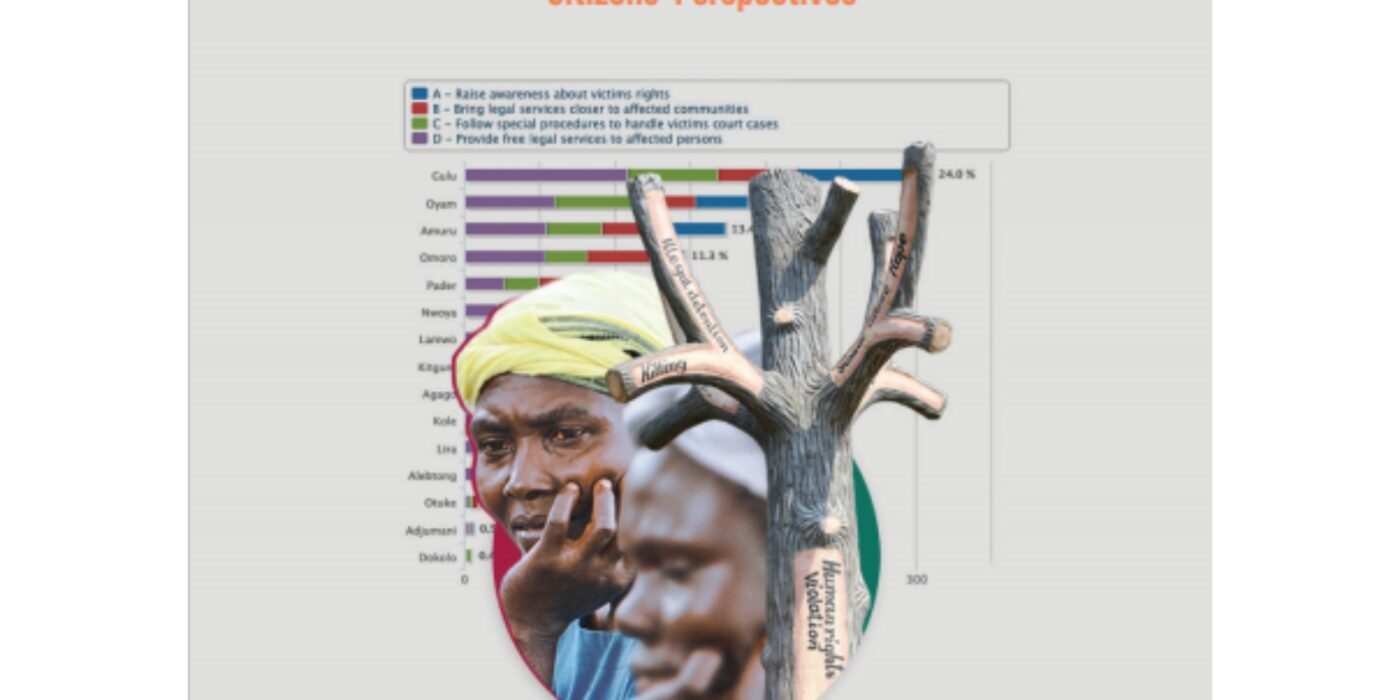
Transitional Justice In Northern Uganda; Citizen’s Perspectives

Between January and June Women’s International Peace Centre with and partners International Center for Transitional Justice-Uganda, African Youth Initiative Network (AYINET), Refugee Law Project (RLP), The Uganda Association of Women Lawyers (FIDA-Uganda) partnered with TRAC FM to collect real-time data from citizens using polls on the themes of the transitional justice policy. Through an interactive radio campaign, citizens discussed their conflict experiences, the lingering impact of human rights violations, efforts of government and other actors and appropriate measures for recovery, reconciliation and redress for victims and war-affected communities moving forward.

The purpose of this report is to share data and present citizens’ views and recommendations related to transitional justice to inform action by all stakeholders including government institutions, traditional and religious institutions and civil society.

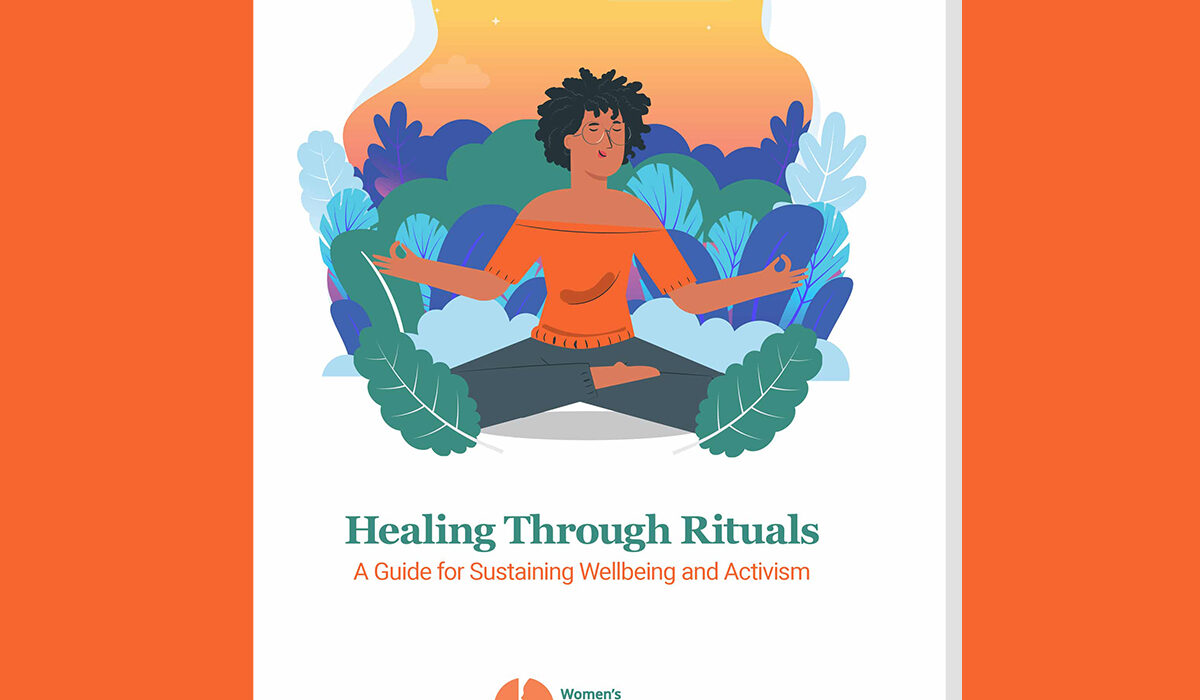
Healing Through Rituals: A Guide for Sustaining Wellbeing and Activism

COVID-19 has introduced different ways of working, connecting, relating and being. How do we adjust to this new world order and still enjoy the work that we do? How do we avoid burning out caused by isolation and overload of social media? COVID-19 has made us realise that we need to build a new sense of practice. Read More “Healing Through Rituals: A Guide for Sustaining Wellbeing and Activism”

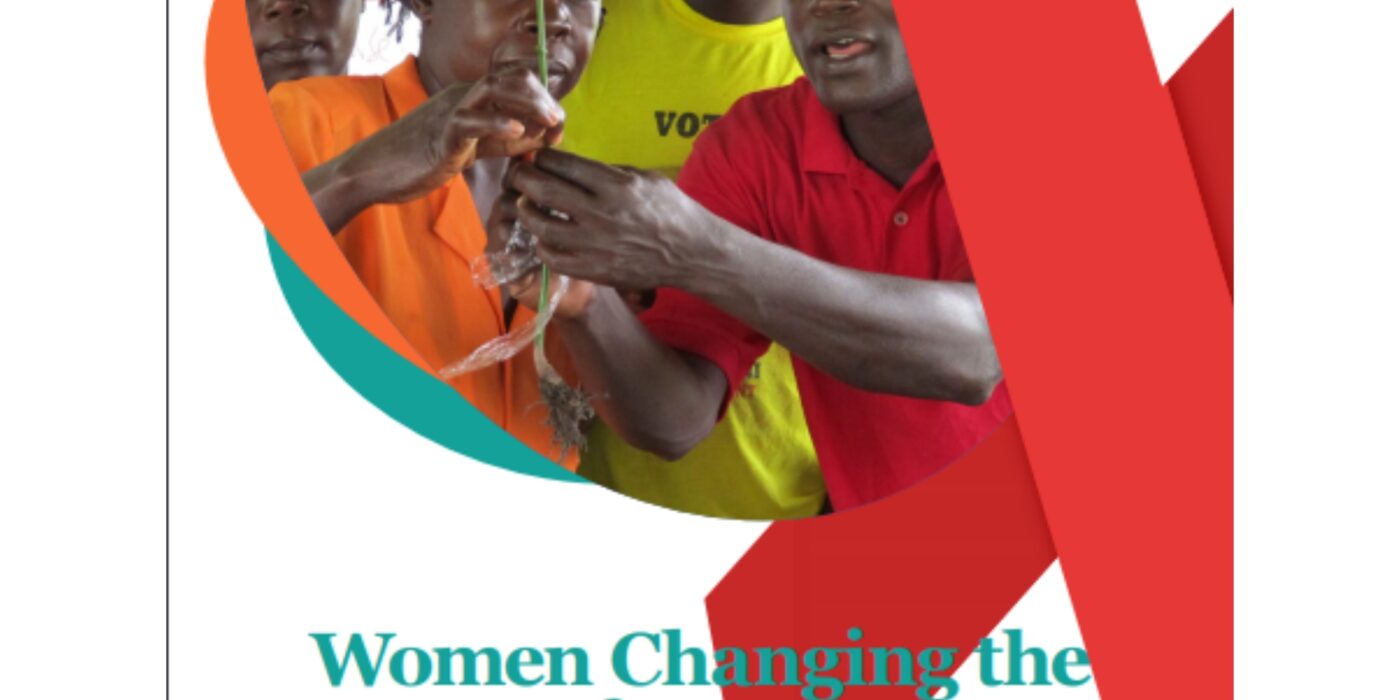
Women Changing the Face of HIV&AIDS and Building Peace.

In June, The Peace Centre concluded a 5-year project in partnership with Akwenyutu People Living with HIV/AIDS (APHAS) in conflict-affected North-eastern Uganda. The project aimed to build the resilience of women and enable them transfer the acquired skills and competences in livelihood boosting and peace building to the community.

This reflective report titled ‘Women Changing the Face of HIV&AIDS and Building Peace’ highlights the project impact, lessons learnt and the future plans for the group.

COVID-19 and Funding Local WROs Policy Brief

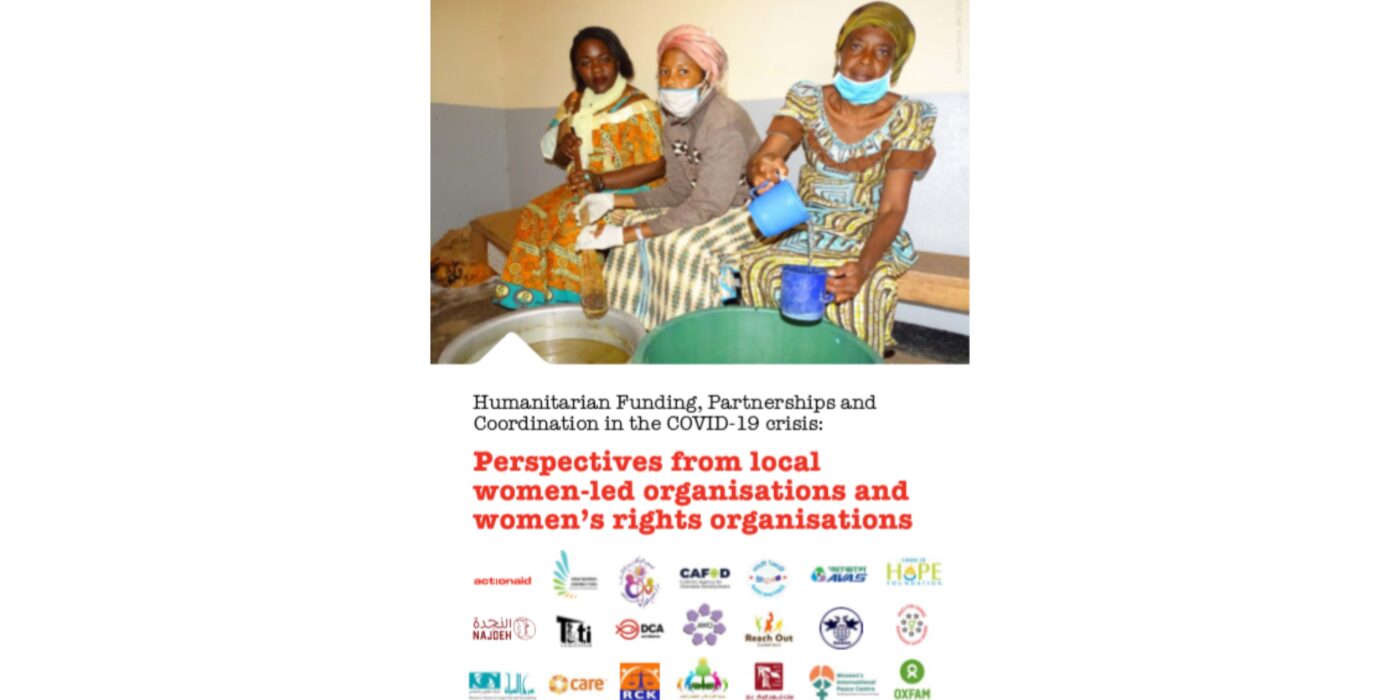
Local women-led organisations (WLO) and women’s rights organisations (WRO) play critically important roles in crisis response, but their efforts often lack both political and financial support. On 16th July, the UN launched an updated Global Humanitarian Response Plan (GHRP) for COVID-19. Women’s International Peace Centre took part in this survey led by CAFOD, CARE International UK, ActionAid, Danish Church Aid and Oxfam who partnered with local WLO and WRO partners in Lebanon, Jordan, Bangladesh, Uganda, the Democratic Republic of Congo (DRC), Kenya, Nigeria, Occupied Palestinian Territories and South Sudan to gather a snap-shot of the Covid19 response to date in terms of access to funding, partnerships and decision-making for WLO/WROs.

The joint policy brief summarises findings and recommendations on direct funding to these groups, indirect funding via international intermediary organisations (including UN agencies and INGOs), their participation in humanitarian coordination processes and post-COVID19 recovery. 

Monthly District Peace Committee Meetings in Kotido, Yumbe and Adjumani

From 19th to 25th June 2020, The Peace Centre facilitated the meeting of District Peace Committee meetings that had a total of 142 (42 females and 100 males) participants. The meetings provided platforms where Women Peace Mediators presented women peace and security concerns including; the impact of COVID 19 on women, increasing conflicts in the project districts that called for the safety of women and girls, spaces for women’s participation in peacebuilding, peace meetings and complete disarmament, protection of the unprotected kraals, tracking and recovery of stolen animals, need to resume peace initiatives since the Warriors took advantage of the lockdown and conflicts escalated.

Read More “Monthly District Peace Committee Meetings in Kotido, Yumbe and Adjumani”

Tracking Trained Women Leaders in Bukavu, DRC

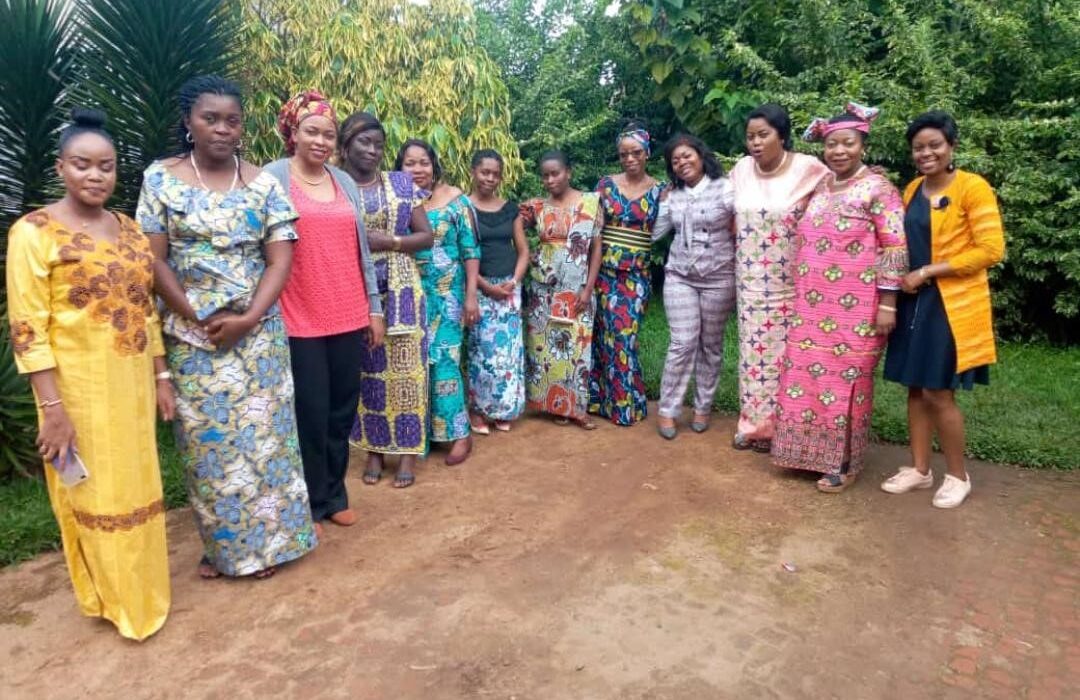
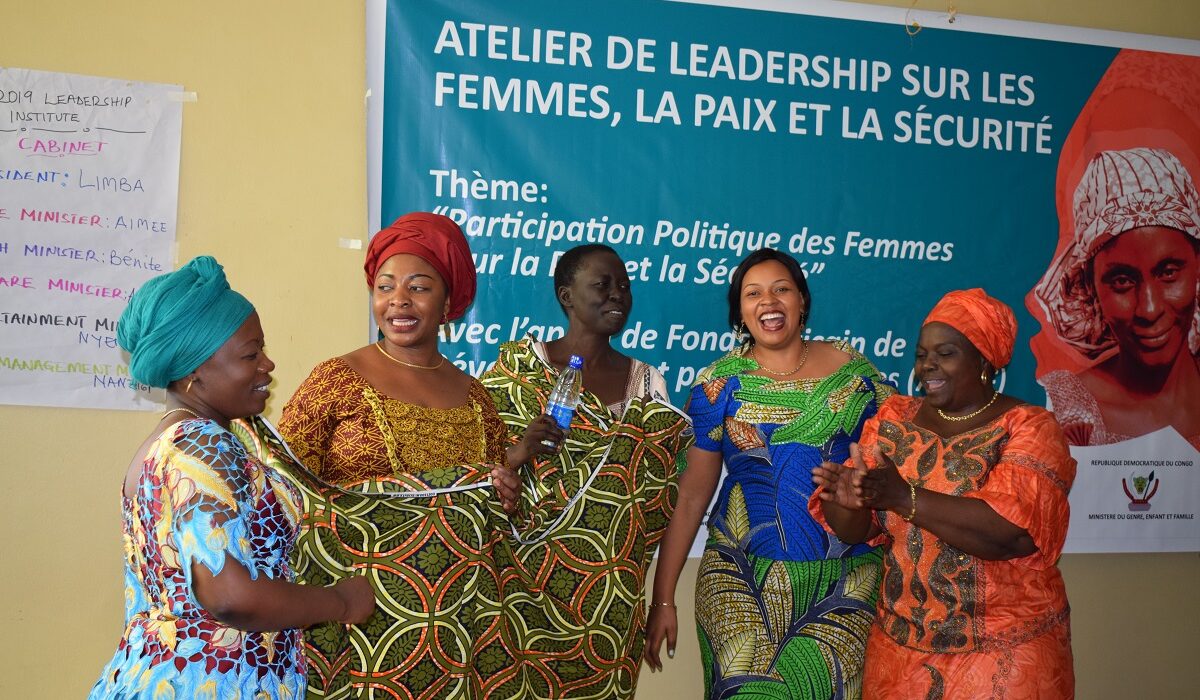
In June, women leaders who were trained by the Peace Centre, Karibu Jeunesse Nouvelle (KJN) and Association des Femmes des Medias (AFEM) on practical strategies to promote women’s participation in post-conflict governance in 2019 were interviewed to track their progress. The training aimed at strengthening the capacity of women leaders to engage in and influence post-conflict decision-making and governance as well as demand accountability from policymakers towards actualizing the meaningful inclusion of women in governance and decision making in the Democratic Republic of Congo.

Since 2019 the trained women leaders, have held community awareness sessions and dialogues on the need for women’s participation at all decision-making levels; the rights and responsibilities for women and girls, and sexual and gender-based violence (SGBV) and also mitigated land conflicts. The awareness sessions also targeted schools and Universities, encouraging young women to join politics, to position themselves in leadership structures and the political system in preparation for the 2023 legislative elections. As a result, 5 young women joined the communication unit of the Union for Democracy and Social Progress Party (UDPS).

Thanks to Bukavu’s training, I feel very equipped and reassured. When my UDPS Party was coming to implant up in my community, I used all the strategies learnt to position myself. I grab a strategic position in this party, I am now the President of the party’s women’s league in my locality. Now it is me who will be identifying and recruiting other women to join and advocate for their interests. Bora – Elysée

Although women constitute the highest statistic demographically compared to men (52%), this has not been influential in terms of their political participation. Several factors justify this including; traditional and cultural barriers with their consequences on women’s perceptions and self-esteem
and gender-based violence; poverty and illiteracy, insufficient resources allocated to women’s leadership structures and weak coordination of
women’s organizations, Persistent discrimination against women in the legal framework and non-compliance, instability, political tensions and the existence of conflict zones (Kasai, Tanganyika, South Kivu, North Kivu, Ituri). In light of this situation, the training contributed to the awareness of women leaders in South Kivu on this situation and build their capacities and skills to improve on their representation.

The women leaders at the June 2019 training institute not only learnt more about transformation leadership, women’s political leadership and UNSCR 1325 but they also shared their experiences as women’s rights activists, the lessons from their work in their communities as well the benefit of their leadership experiences both good and bad. During this institute, they strengthened their network of women leaders in the province.
Unheard Unseen: A COVID-19 briefing

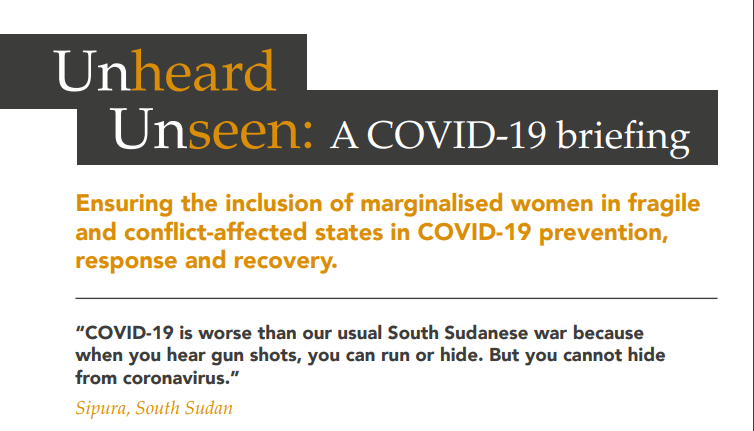
A resource by Women for Women International on ensuring the inclusion of marginalised women in fragile and conflict states in COVID-19 prevention, response and recovery.

‘Unheard. Unseen.’ identifies five priority action areas and provides analysis and recommendations on the important policy changes that are so urgently needed for marginalised women affected by conflict. The report, also outlines how important it is to create space for marginalised women in conflict-affected countries to share their experiences and influence change.

Planning Meeting for Leadership Development Activities in the Democratic Republic of Congo and Nepal.

The Peace Centre, Karibu Jeunesse Nouvelle (KJN) and Association des Femmes des Medias (AFEM) work in partnership to strengthen women’s capacity as change agents in peace building and post-conflict governance in South Kivu, Eastern D.R.C. On 29th May an online meeting was held for partners to assess the current situation as impacted by COVID-19, understand the implications for planned activities and agree on a way forward. With a steep increase in gender-based violence, women’s exclusion from decision-making on COVID-19 response and limited access to information on preventive measure, the partners agreed to prioritise addressing these issues. As a result, the meeting defined future activities to include, translating key messages on COVD-19 prevention into local languages, radio talk shows and community meetings by women peace builders to sensitise the public on COVID-19. The Peace Centre also committed to conduct a training webinar on wellness and self-care to support the wellbeing and work of women human rights defenders (WHRDs) in Bukavu.

On 16th June, the Peace Centre and National Alliance for Women Human Rights Defenders (NAWHRD) Nepal also held an online meeting to discuss the current COVID-19 dynamics and prepare for the upcoming training of Deputy Mayors and District Vice Chairpersons in Kathmandu on gender budgeting, gender-responsive district planning and wellness under the theme Transformed Leadership for Transformation. The partners agreed on a timeline and methodology for the planned profiling of the work and impact of the institute’s alumnae in Nepal since 2007 including the previously trained Deputy Mayors and District Vice-Chairpersons.