Reflections From the United Nations Security Council 2022 Open Debate on Women, Peace and Security: The Rhetoric Continues

By Helen Kezie-Nwoha

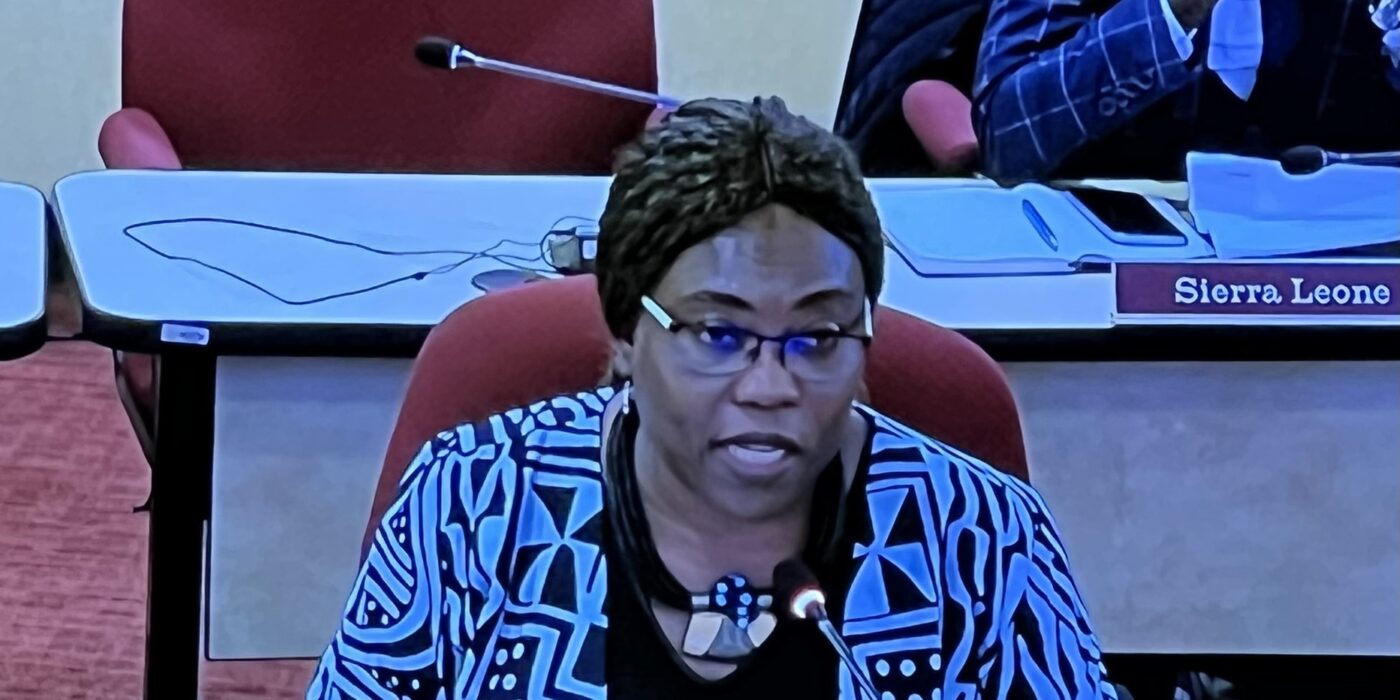
October 31st 2022, marks exactly 22 years since the adoption of United Nations (UN) Security Council Resolution 1325 on women, peace and security (WPS). Every year during the month of October the UN Security Council convenes an open debate to receive the report of the UN Secretary-General on WPS and listen to member states, UN entities, and different actors on the status of implementing the women, peace and security agenda. This year was no different as the meeting took place on October 21st 2022.

In this article, I share some of the gains of the WPS movement and areas that need more work as reflected in the 2022 UN Security Council open debate.

Read More “Reflections From the United Nations Security Council 2022 Open Debate on Women, Peace and Security: The Rhetoric Continues”

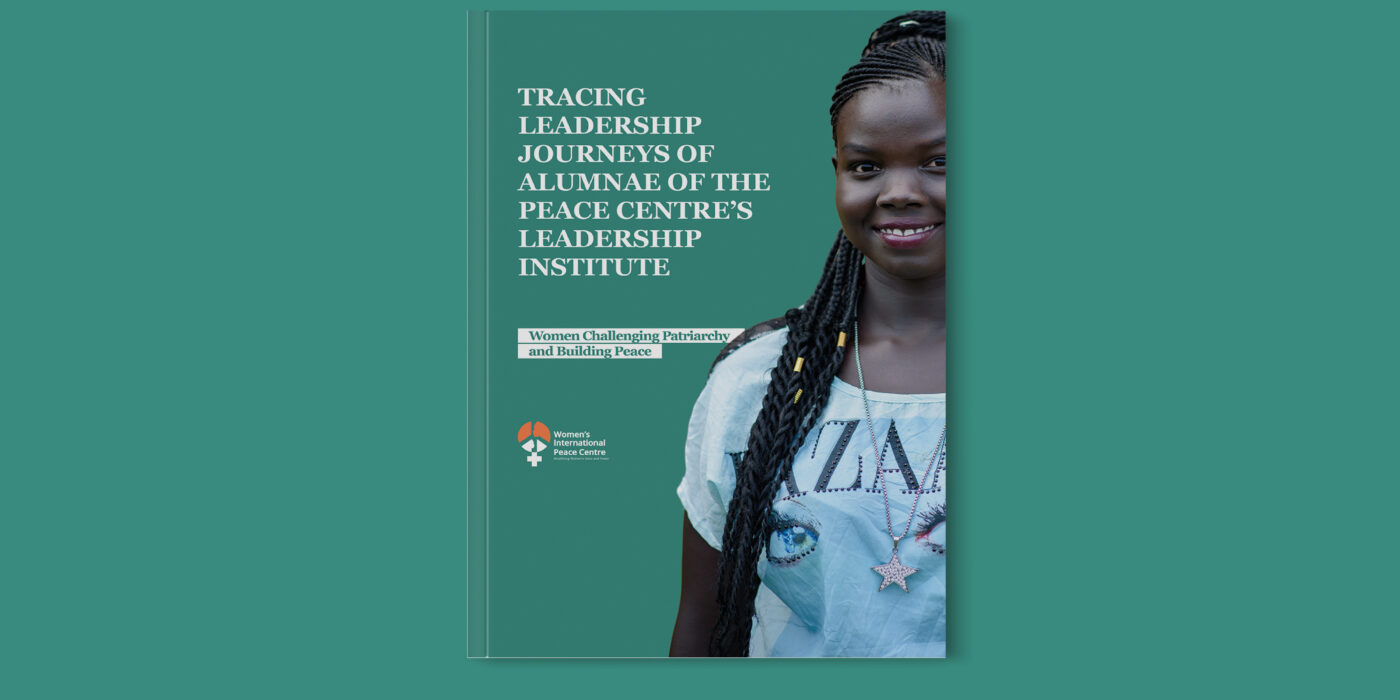
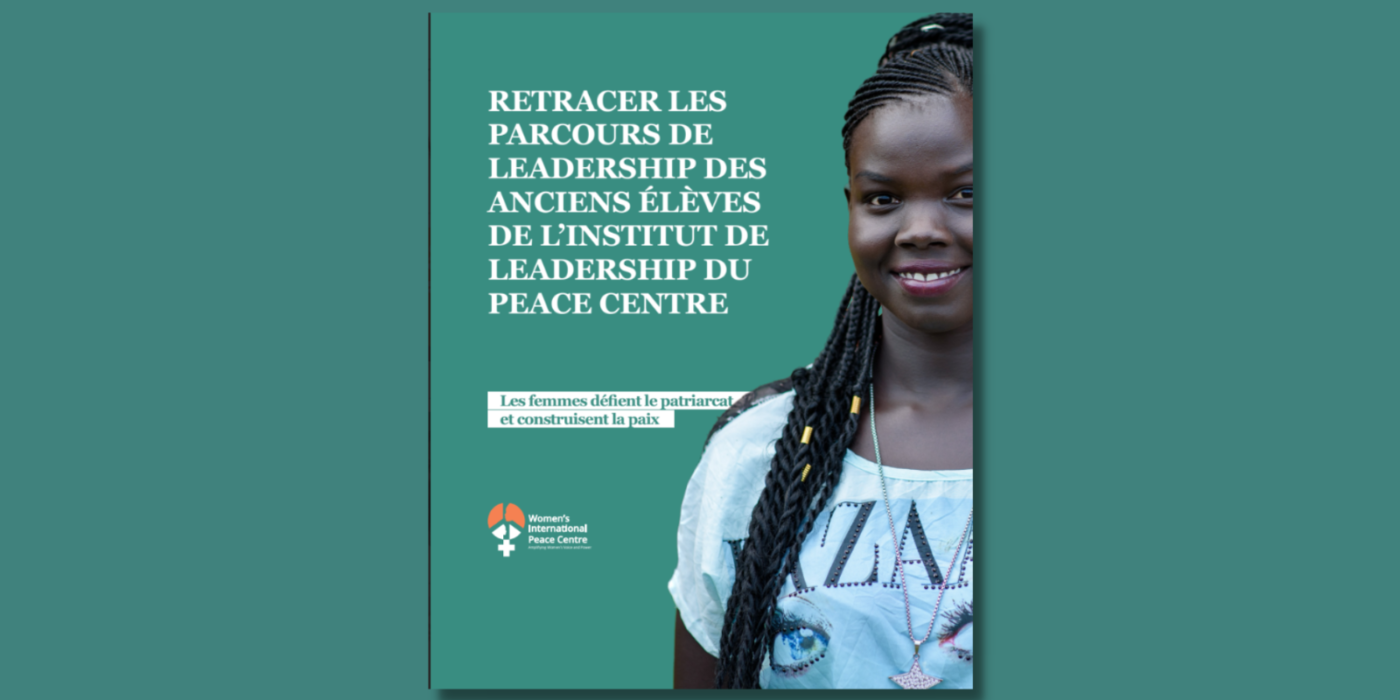
Tracing Leadership Journeys of Alumnae of the Peace Centre’s Leadership Institute

The Women’s International Peace Centre runs its Feminist Leadership Institute targeting and training women and young women leaders from armed and post conflict settings as agents of social and political change. The Feminist Leadership
Institute runs training programmes that target women leaders, young women
activists and change agents across different professions and spheres of influence.
Between the years 1999-2021, the Institute training programmes broadly focused
on gender, human rights, and feminist peace and security.

This tracer study tracked leadership journeys of selected institute alumnae and documented their growth, involvement and impact on gender, peacebuilding and social, political and economic development of women in conflict and post conflict settings.

Download this study here: Tracing Leadership Journeys of Alumnae of the Peace Centres’s Leadership Institute– EN

Retracer les parcours des anciennes élèves de Peace Centre’s Leadership Institute

Women’s International Peace Centre gère son Institut de leadership féministe qui cible et forme des femmes et des jeunes femmes leaders dans des contextes armés et post-conflit en tant qu’agents du changement social et politique. Le Feminist Leadership
Institute organise des programmes de formation qui ciblent les femmes leaders, les jeunes militantes et les agents de changement dans différentes professions et sphères d’influence.
Entre 1999 et 2021, les programmes de formation de Feminist Leadership
Institute ont été largement axés sur le genre, les droits de l’homme et la paix et la sécurité que nous appelons féministes.

Cette étude de suivi s’est intéressée sur les parcours de leadership d’anciennes élèves sélectionnées de Feminist Leadership Institute et a documenté leur croissance, leur implication et leur impact sur le genre, la consolidation de la paix et le développement social, politique et économique des femmes dans les situations de conflit et d’après-conflit.

Télécharger: Retracer les parcours des anciennes élèves de Peace Centre’s Leadership Institute

Study and Learning Exchange of Women Civil Society Organisations working on the Implementation of United Nations Security Council Resolution 1325 in Rwanda and Burundi

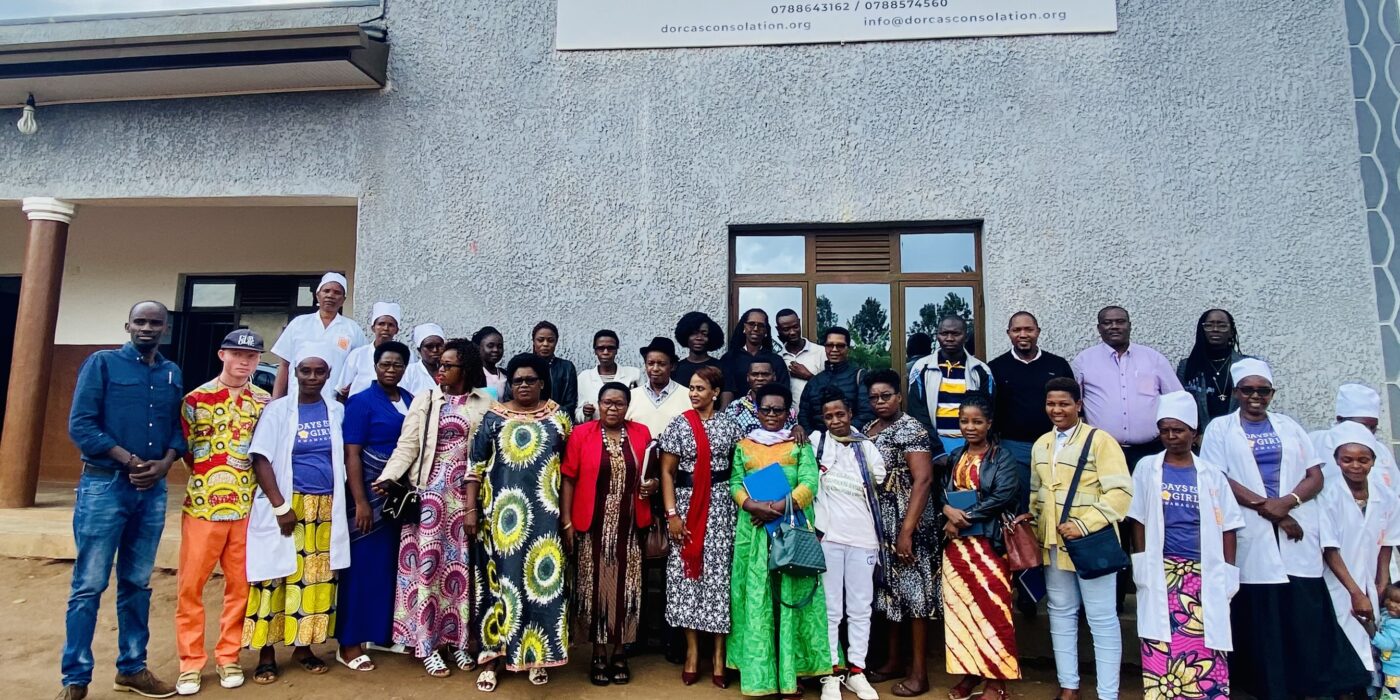
In partnership with the Association of Women Repatriated from Burundi (AFRABU), Women’s International Peace Center together with CORDAID, organized a 3-day mission of study and exchange of experience with Rwandan non-governmental organizations under the leadership of the “Réseau des Femmes Oeuvrant pour le Développement Rural (Réseau des Femmes)”. They were joined by representatives of the Umuhivu w’Imboneza platform in Burundi, which is a collaborative framework for elected women and young people as well as women and young leaders of Civil Society Organizations for the promotion of leadership and the inclusive participation of women and young people at the community level.

This mission aimed to strengthen the Umuhivu w’Imboneza platform through the exchange of experiences between the members of the Platform from the 7 pilot provinces of Bubanza, Bujumburan, Bujumbura Mairies, Bururi, Cibitoke, Mwaro and Rumonge under the Just Future project and the Rwandan non-governmental organizations working on the implementation of resolutions 1325 and 22 50 at the community level.

Starting October 19th, the team visited DORCAS Consolation Family and Urugo Women Opportunity Center in the Eastern Province in Rwamagana and Kayonza. They then proceeded to Duhozanye Organization in the South Province and finally had a meeting with women leaders of public and private institutions in Kigali. 

The aim of the exchange visit was to strengthen the Umuhivu alliance on the basis of the exchange of experiences, initiatives, successes, challenges, opportunities, and strategies, between the members of the platform and Rwandan CSOs.

Following the presentations of different organizations’ initiatives and activities, discussions focused on some of the poverty-related challenges that girls and women face including sexual abuse, teenage pregnancy, early motherhood as well as school dropouts among others, and how they are combating the issue of poverty among their communities.

It was emphasized therefore that in order to achieve inclusive development, it is necessary to empower women to emerge from poverty which makes them more vulnerable than men.

Kabanyana Ketsia, the founder of the Dorcas Consolation family, explained to participants how the organization works with different stakeholders like schools, local authorities to promote their projects which contribute to poverty alleviation in societies. An example of the projects is the production of sanitary serviette/reusable pads for girls during menstruation which has created employment for marginalized women who are paid every month.

She further highlighted that based on its community approach, Dorcas Consolation Family has also established a health post that receives about 700 people per month, especially women and girls.

At Urugo Women’s Opportunity Center (WOC), participants were introduced to the different income-generating activities the organization runs to fund its education and training activities. These included; accommodation facilities, restaurant and bar, cafe, handicrafts shop, a dairy production unit, and rental space for meetings and events..

Viviane Kayitesi Kayihura, the Executive Director of the organization explained that the organization also provides training in numeracy, business management basics, planning, selling produce in the market, bookkeeping, and management of cooperatives in order to help women earn and save money. She also encouraged participants to work together and support each other to achieve their goals if they want to move ahead in their lives.

 “We believe that when a woman is supported by her peers and provided with the right resources and opportunities, even those most affected by conflict, the woman can develop her confidence and necessary skills. to transform his life, his family, and his community.” Mrs Kayihura said.

The final visit was made to Duhozanye Organization, which was launched by 330 widows who decided to collectively address the consequences of the 1994 genocide such as the death of their husbands, children, and family members; physical and moral injuries; loss of property, exclusion and lack of shelter, isolation, fear, poverty and loss of hope to live.

Murungi Jackline, the in charge of programs within DUHOZANYE, presented the current programs and activities which are based on the socio-economic rehabilitation of the widows and orphans of the genocide in order to integrate them into daily life so that they can in particular strive towards autonomy and participate more generally in the development of the countryThe organization also organizes dialogues to help widows and orphans break out of isolation, help widows find housing, provide the means to exploit opportunities for autonomy, promote gender equality and fight against gender-based violence.

In this study visit, it was realized that the problems that hinder the development of girls and women are almost the same in Rwanda as in Burundi. 

Therefore, a number of recommendations were suggested to address challenges that women and girls encounter in everyday life. These recommendations included;

  1. Mobilize girls and women to participate in decision-making, peace and justice;
  2. Advocate for the installation of safe rooms in primary and secondary schools, equipped with menstrual hygiene facilities for girls;
  3. Develop and include messages on sexual health and rights education in community dialogues in order to reduce unwanted pregnancies among young girls;
  4. Develop income-generating initiatives for women and youth with the aim of reducing poverty within the community;
  5. Advocate for unpaid work currently done by women and girls to be sharedwithin families;
  6. Develop mobilization programs to fight against gender-based violence.
Capacity Building Training for Youth on Peacebuilding, Mediation and Leadership

Youth inclusion in peacebuilding processes is critical for ensuring sustainable and inclusive peace, as recognised by the United Nations (UN) Security Council Resolution (SCR) 2250 on Youth, Peace and Security.

To achieve an increased number of youth peace advocates with strengthened capacity who are effectively participating and influencing the formal and informal peace building processes, Women’s International Peace Centre conducted a training for twenty (20) youth peace advocates from 21st to 23rd September.

The training aimed at strengthening participants’ capacity in peacebuilding and conflict transformation, increasing their understanding of gender in conflict as well as enabling them to acquire knowledge and skills in mediation, reporting and leadership.

The training model which was based on adult learning approaches included sessions delivered through; in-person workshops, lectures, role play, storytelling and reflection, group work and presentations, brainstorming, and illustrations among others. Topics of discussion focused on transformational leadership skills, feminist digital activism, reporting and communication, gender, conflict and peacebuilding. 

Gender was defined as the social construction of economic, social, political, and cultural attributes and opportunities associated with being women and men.Participants shared some of the gender roles associated with being a woman or man in society today. The roles mentioned for women included; cleaning, washing clothes, cooking food, being submissive, rearing children while men on the other hand were mentioned to be the managers whose responsibility is to provide for their families.

It was noted that gender roles are influenced by various factors such as society, experience, culture, environment, history, ethnicity, politics and race to mention but a few. As a result, gender roles have pushed women into the informal sector which has led to lack of power to influence, lack of access to opportunities and resources giving more power to men than women. 

The facilitator emphasized  that peacebuilding helps in preventing outbreak, recurrence and continual armed conflict, violence or social tension. It was defined as the employment of measures to consolidate peaceful relations and create an environment which deters the emergence or escalation of tensions which may lead to conflict.

Participants were also introduced to UNSCR 2250 (2015) on Youth, Peace and Security, a resolution that recognises young people’s role in promoting international peace and security which identifies five key pillars for action: Participation, Protection, Prevention, Partnership and Disengagement and Reintegration.

It was highlighted that youth inclusion in peacebuilding processes is critical for ensuring sustainable and inclusive peace and participants were encouraged to participate in peace processes.

As a major tool of advocacy, participants were introduced to feminist digital activism, a communication form that involves the use of social media tools to put out advocacy messages and advocate for issues affecting their communities.

In conclusion, participants suggested different roles of leadership they could participate in once they got back to their communities. These included; advocacy work, influencing media dialogues for attitude change, stopping youth from participating in violent conflict, organising peace dialogues across lines of conflict and facilitating community dialogues on issues affecting youth in their communities.


2021 Annual Report

This report looks back into the year 2021 and describes what we have accomplished with our partners in Burundi, the Democratic Republic of Congo, South Sudan and Uganda. The Peace Centre contributed to enhancing the expertise of women leaders to participate in peace processes; Making information available for women to influence decision-making in peace processes; Claiming space and influencing peace processes at all levels and in promoting the holistic wellbeing of women.

Download : 2021 Annual Report

Technical Review Meetings of the Draft National Peacebuilding and Conflict Transformatin Policy to Expedite Its Passing by Government

The lack of policy guidelines to coordinate peacebuilding and conflict transformation approaches remains a fundamental problem in Uganda. As a result, most actors engage in peacebuilding on an ad hoc basis and in a reactionary manner, duplicating interventions which often results in unhealthy competition and wastage of resources with minimal impact whenever conflicts arise. 

The draft Uganda National Peacebuilding and Conflict Transformation Policy was developed to address gaps as it is intended to provide a mechanism for coordination and synergy among stakeholders involved in peacebuilding and conflict transformation (PBCT). The policy draft has unfortunately not progressed through the approval process since 2015 despite the fact that a number of policy frameworks relevant to peacebuilding have been passed by the government, and the conflict dynamics in Uganda have gone through a series of changes.  

It is against this background that the Women’s International Peace Centre and Safer World convened two review meetings to discuss the 2015 draft National Peacebuilding and Conflict Transformation Policy and a validation meeting with stakeholders drawn from national and selected local governments where the two partners operate. The meetings were convened in two phases as follows;

Phase one: 1st Technical Review Workshop of the draft peace building and conflict transformation policy. 

The review process started with an independent peace /policy expert who reviewed, made recommendations and presented findings in a comprehensive technical review workshop from 12th to 13th July 2022 with a total of 38 participants.

The technical review panel consisted of key government entities such as; the Office of the Prime Minister, Office of the Attorney General, Ministry of Defence and Veteran Affairs, Ministry of Internal Affairs (policy and planning office, and small arms and light weapons), Ministry of Justice, The Uganda Law Reform Commission, Uganda Human Rights Commission, Uganda Prisons, Uganda Police Force, and Local Government representatives from across Uganda and individuals from Civil Society.

The review panel identified gaps in the NPBCTP and ensured that the policy is representative of the most recent national conflict analysis, the changing dynamics and trends of conflict in the country, as well as evolving government policies.  The panel also built consensus on the vision, objectives, and priority action areas for the policy; appraised the adequacy and suitability of the interventions and response mechanisms set out in the policy; and finally, guided on an action plan for strategic advocacy and lobby for the speedy passing of the policy. 

On 14th July 2022, the findings from the technical review workshop were presented to a wider stakeholder audience for validation and further scrutiny. The validation forum provided a platform for 107 survivors and members from marginalized communities and civil society, religious and cultural leaders to discuss whether the draft policy satisfactorily addresses their needs and concerns. 

Phase Two: 2nd review of the Draft National Peace policy. 

For ownership, a concretized outcome, and faster drive, a government expert Commissioner, Policy and Planning, Ministry of Internal Affairs based on his technical expertise in policy and planning conducted the second in-depth technical review of the NPBCT policy.  He developed intervention areas that were still missing in the document, checked its conformity with other existing government frameworks, and made a presentation in the second review workshop held from 17th to 19th August 2022 that brought together 16 participants.   They included representatives from  Civil Society, Uganda Human Rights Commission, Ministry of Internal Affairs  Policy and Planning  Department, Uganda  Joint Christian Council  and the Refugee Law  Project. The group thoroughly reviewed and polished the   2nd   2022 Peace policy document which has since been shared with the Ministry of Internal Affairs for review.

The review findings were to inform engagements of the women peace champions with other relevant stakeholders e.g., ministries/departments/agencies, Parliament, and traditional institutions to influence the passing of the policy.  

The Regional Learning and Networking Exchange for Just Future Partners on Best Practices For the Implementation of the Women, Peace and Security Agenda.

It is the vision of Just Future partners to attain more inclusive policy outcomes with a focus on the youth and Women, Peace, and Security agendas that emphasises political decision making especially in peace processes which is more inclusive of and accountable to the most excluded constituencies.

Against this background, Women’s International Peace Centre in partnership with Cordaid organised a Learning and Networking Exchange for thirty partners from Afghanistan, Burundi, the Democratic Republic of Congo (DRC), Mali, Niger, and South Sudan from 8th to 11th August in Kampala.  

Through mutual learning and capacity strengthening on lobbying and advocacy among civil society partners and other stakeholders, the practical learning space provided participants with a first-hand account from similar organisations on the Women Peace and Security agenda. It also provided a forum for knowledge exchange and learning of best practices that can be replicated in their home countries.

Presentations were made by a diverse group of experts, scholars and practitioners from the national and international peace and security arena on the localisation, funding, lobbying, emerging trends and other issues regarding the implementation of WPS agenda. 

In the keynote’s address from Professor Cheryl Hendricks, the Executive Director of the Institute for Justice and Reconciliation (IJR) and a Board Member of the Peace Centre, it was noted that while there has been good progress in integrating the WPS agenda into the peace and security infrastructure which was formerly dominated by patriarchal attitudes, there are still a number of areas where there are deficits including targets for women in peacekeeping units and police forces which remain unattained. 

She highlighted the increase in conflicts and the associated gender based violence, the rise in conservatism, militia conflicts, conflict connected to climate change, and rise in the militarisation of societies which continue to cripple the progress of the agenda. In her conclusion, she urged partners to think of more innovative solutions and a rethinking of approaches for implementing the agenda that will get their governments involved and participating.

The meeting also facilitated sessions of engaging regional institutions such as FemWise and Intergovernmental Authority on Development (IGAD) and their role in advancing the Women Peace and Security Agenda. Remarks from Canon Joyce Nima, emphasised that FemWise collaborates with networks in the other regions of the world, especially South to South networks to institutionalise inclusion of women in peace and mediation processes, build the capacity of professional women mediators at all levels, join panels, and facilitate the deployment of women-only mediators in cases where it is called for.

IGAD on the other hand is working in partnership with its eight member states to develop National Action Plans for UNSCR 1325 to fit individual country needs, Rabab Baldo, a panellist from IGAD shared.

Other discussions of the meeting focused on sharing experiences and success stories of implementing WPS at country level, strengthening women’s representation and participation in peace processes and post conflict peace building, trends and emerging needs for new security issues to which the WPS framework should be applied and wellness and wellbeing for development practitioners. 

The workshop culminated in the country groups developing lobby and advocacy plans based on what insights they had gleaned from the discussions and experience sharing. They were tasked with taking these drafts back to their countries and making concrete action steps that are feasible to implement. 

Women’s Perspectives on the Establishment of the Committee for Truth, Reconciliation and Healing in South Sudan

In April 2022, the Government of South Sudan launched public consultations for the establishment of the Commission for Truth, Reconciliation and Healing (CTRH). The process was welcomed by government officials, civil society organisations, religious leaders, academia, members of the diplomatic community and development partners, who attended the event.

The outcomes of the consultations will inform the drafting of a bill for the establishment of the CTRH which is one of the transitional justice mechanisms provided for in the Revitalised Agreement on the Resolution of the Conflict in the Republic of South Sudan (R-ARCSS) 2018.

To ensure that reconciliation in South Sudan is driven and owned by the women; that it is survivor-centred and that it addresses all grievances to pave the way for a reconciled and healed South Sudan, the Women’s International Peace Centre in collaboration with CORDAID South Sudan, Search for Common Ground South Sudan, Initiative for Peace Communication and Centre for Inclusive Governance, Peace and Justice held consultative meetings with groups of women leaders in Juba, Yei, Wau and Bor.

Download a copy of the Information Brief here: Information Brief on the CTRH Bill in South Sudan (1)

4th GIMAC Strategic Engagement with AU, RECs and Partners on the AU

Gender equality and the empowerment of women and girls matter for nutrition because they have an important bearing on the three underlying determinants of nutrition which include food security, care practices and health. Women play a critical role as producers and enhancing productivity with an implication on food consumption and monitory return at national and household level.

Read More “4th GIMAC Strategic Engagement with AU, RECs and Partners on the AU”