The Resilience of Young Urban Refugees in Uganda

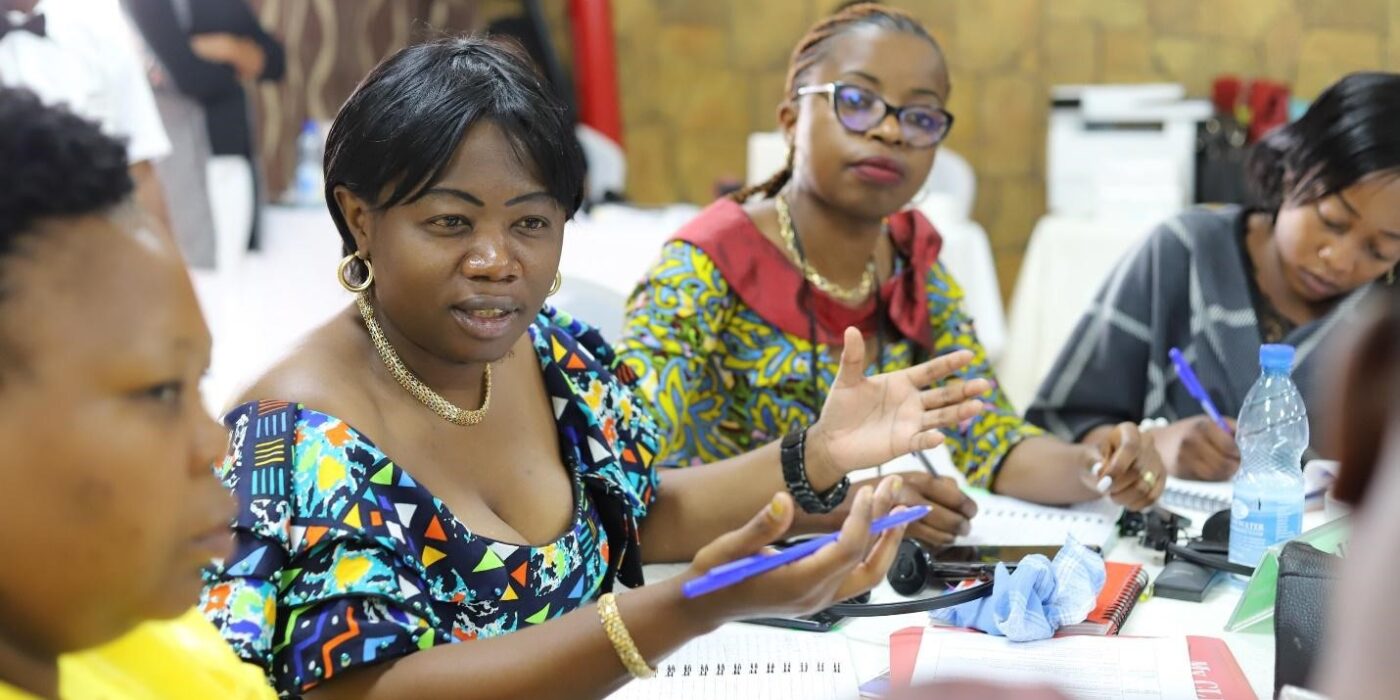
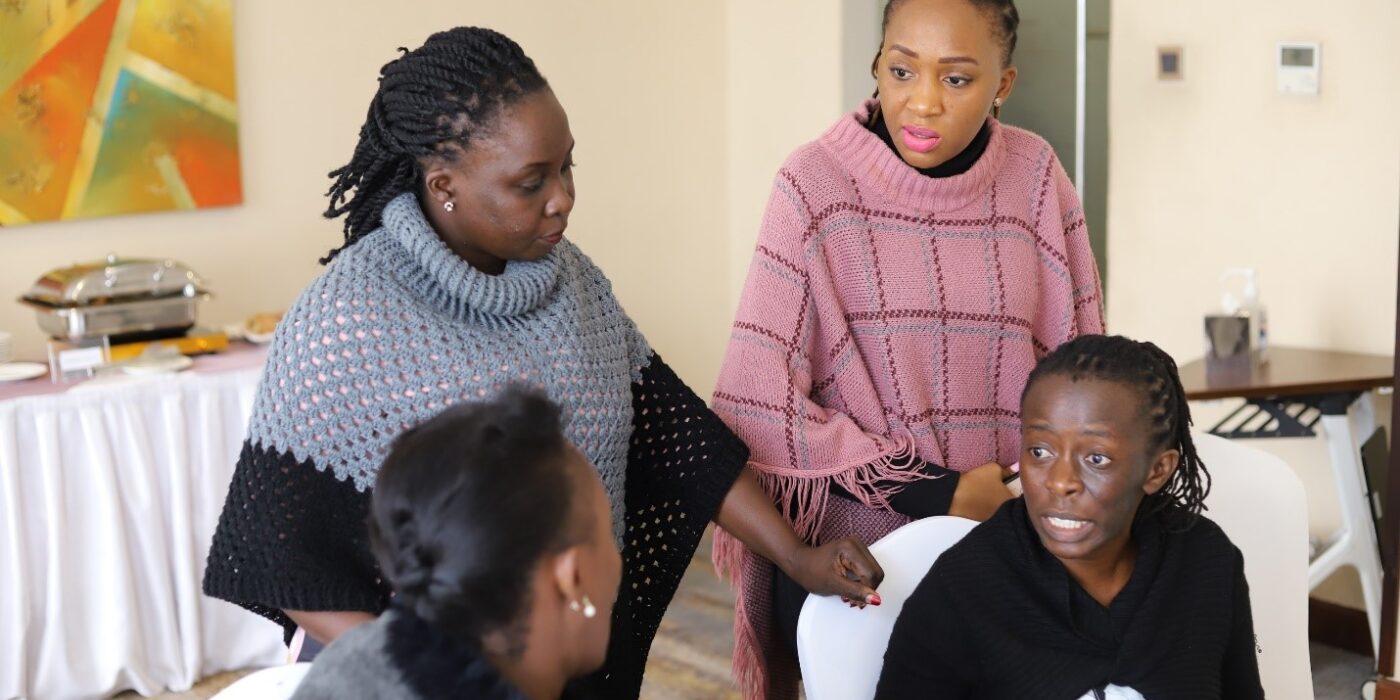
In January 2022, The Peace Centre trained 30 young urban refugees living in Uganda from Burundi, DRC, Rwanda, Somalia, Sudan and South Sudan on leadership and peacebuilding. The training aimed to promote young urban refugee women and GBV survivors’ leadership in peace-building processes by equipping them with skills and knowledge to fully understand the policy frameworks, design messages, identify opportunities for influencing and plan the next steps in their advocacy.

The following are documented stories of some of the participants of the training and how they have been impacted over time. Here they also share experiences and challenges regarding settling in Uganda. All names used in these stories are pseudonyms.

SALMA

I am the Director of ‘Stand Up and Shine Foundation’, an initiative established to help refugees in my community. As a source of income, I operate a bakery and a tailoring shop. In my community, there have been multiple cases of gender-based violence some of which get to be reported and others that never make it to the light. These to mention but a few include; employers abusing their employees, stepfathers raping their stepdaughters and mothers forcing their children into prostitution in order to secure some income for the family.

On multiple occasions, I have had to intervene in these cases by reporting them to village leaders as well as the Police. However, without much reliance on the police that ‘continues to fail us, I offer counselling and guidance to girls and young women refugees that have been victims of societal vices like gender-based violence. Similarly, I offer training in tailoring and baking skills to these victim girls and young women to help them get their lives back on track.

As a result of the peacebuilding training, I am more informed of my rights as a refugee- what is acceptable and non-acceptable to me, how I can participate in decision-making as a woman and I am more aware of the different ways to defend myself. With this, therefore, I have gone ahead to train other fellow refugees on how to foster peace in their homes and the community at large.

Also, as part of my training lessons, I have mastered the skill of looking for opportunities to better myself in all spheres of life. This has been very instrumental to the growth of my business as I wake every morning with a vision of meeting new people and finding new opportunities.

I hope to see my community change for the better. I desire an establishment of a major training Centre where refugees can be trained in various skills such as English, computer and social skills, baking, cooking and many more that can help them live a decent life even while in a foreign country.

JEANNE

“I had suicidal thoughts at a certain point of my life but that well-being session made me look at life differently thereafter.” Jeanne is a 40 yr old Congolese refugee leader in Kitebi, an area she has been living in for the last 12 yrs since she arrived in Uganda.

Upon learning about mental wellness in the training, I was encouraged to embrace my life as one that is precious and needs to be taken care of. I was also encouraged to stay true to myself, keep positive and be hopeful in all situations.

Today, I am very passionate about mental wellness seeing that many refugees suffer from a lot of stress-related issues but have no knowledge of how to deal with them. I have made it my sole responsibility to sensitize people about taking care of their mental health in my community.

I have since embraced writing as a form of therapy helping me deal with unresolved feelings in my heart rather than bottling them up within. This has helped me remain strong even in the most difficult situations.

Through the writing process, I also encourage my fellow refugees to write down their experiences. ‘This has helped them express their feelings.  Above all, I encourage them to be grateful for having Life because with the life they have hope for a better future.

I have also engaged with refugees in some of the settlements where I was taken to work as a volunteer, at the hospital.

I take a keen interest in interacting with women and girls who are victims of gender-based violence in the community. I help them look at life as an always-changing process with both good and bad things happening but one ought to be open-minded at all times.

In cases of rape or defilement, I mobilize colleagues to help victim girls by seeking medical attention from health centres as well as carrying out check-ups, the survivors are introduced to pep treatment while it’s still early and then we report the cases to the persons responsible especially village leaders and Police.

The latter however hasn’t yielded much success as they are not many refugee cases reported in the community that are taken seriously.

I reported a case of a 16-year-old girl that was defiled and became pregnant. Upon giving birth, she was denied a birth certificate from the hospital because of failure to provide evidence for the identity of the baby’s father. When the case was reported to the Police, no help was rendered to the young lady to date.

According to Jeanne, many refugees’ needs are neglected in the communities they live in which makes it harder for them to heal from the trauma of war they faced in their home countries.

“I want to see that my people can sustain themselves, that they have hope to eat, sleep peacefully, can be able to go to hospital and be attended to.”- Jeanne said, “this is the only way I will be fully content as a leader”.

EBONY

Ebony is a Congolese refugee leader heading a saving group for refugees in Najjanankumbi. According to her, this group was formed with an aim of ‘chasing’ poverty amongst refugees so they can all have a better chance at life.

Through the Peace Centre training, Ebony has since become an effective leader in her community; She has learnt how to deal with people, especially when addressing community problems.

For instance, in cases of domestic violence, she mobilizes committee leaders of the group to collect money to buy foodstuffs, sugar, soap, and other home utilities that they carry to the victims’ homes to help settle the matter. With this, they then go ahead to advise the couple against domestic violence and its dangers.

However, due to COVID-19, there have been spiralled numbers of teenage pregnancies and domestic violence cases in the community. These have unfortunately slowed down  the response rate of individuals in addressing these matters. Ebony associates these escalated problems with the high poverty levels of people to the point where husbands now beat their wives over very small matters.

“Hunger is making people do what they are not supposed to do; people end up fighting when they are hungry and everything annoys them.”

Through her savings program, Ebony was able to open a mini supermarket as a source of income to sustain her family. In return, she was able to help other refugees with relief, especially in form of food for those that were in desperate need of help.

Regrettably, the supermarket has been closed down due to the failure of paying up the accumulated rent dues that were a result of the Covid-19 Lockdown.

‘It hasn’t been easy since,’ She said, as most members of the group don’t attend meetings anymore. ‘There’s nothing in it for them so they would rather go look for food elsewhere to feed their families.’

Among many things, Ebony is grateful for the training session on wellness as she is using the skills acquired to withstand stress and keep sane even in the hardest of times. She maintains strong courage with the hope that things will get better soon.

She continues to encourage girls and young women that are victims of gender-based violence to keep holding on and not give up while assisting them in any way she’s able to.

Ebony believes that with the necessary assistance, refugees can be able to put their skills and creativity to proper use. That is to say; when they are trained, they should be supported a step further with capital to get their businesses running. Otherwise, without support like that, most of them end up failing to even start.

Training National Women Peace Champions On the Uganda National Action PLan(III) and the Draft National Peacebuilding and Conflict Transformation Policy

Since independence, Uganda has witnessed tyrannical and dictatorial rule and hand over of power through the gun. The situation has not been helped by emerging conflicts around resources often due to influence from international actors that exacerbate the divide between different national, religious and ethnic groups in the country. Uganda has also experienced conflict as a result of events in the Great Lakes Region as its geographical position places it at a crossroads of armed conflicts in Sudan, Somalia, Democratic Republic of Congo (DRC) and other countries within the region. As a result, women and girls continue to suffer the effects of armed conflict in much of fragile Uganda. 

Currently, Uganda is implementing its third National Action Plan (NAP III) on Women, Peace and Security (WPS) (2020-2025) under the leadership of the Ministry of Gender, Labor and Social Development. NAP IIIseeks to drive impact in addressing key persisting and new WPS issues such as the influx of refugees, socio-economic and demographic concerns, conflicts over natural resources, climate change and environmental stressors and disasters, transnational threats, organized criminal activities, cultural disputes and many more and despite its existence, awareness on the mechanism has been remarkably low at different levels.  

In a similar manner, Uganda started the process of developing a National Peace Building and Conflict Transformation Policy in 2000; which seeks to create a national peace building framework, mainstream gender concerns into peacebuilding efforts, and establish a gender sensitive conflict early warning system. The framework will also guide the development of conflict transformation approaches and systems that will address social, economic, political, cultural and gender related injustices that lead to internal and cross border conflicts. However, since the development of the first draft in 2015, the policy is still in draft form yet conflicts which affect women disproportionately continue to happen.

It is upon this background that the Women’s International Peace Centre in partnership with Uganda Women’s Network (UWONET) conducted a two days’ training in Kampala from 5th to 6th July 2022 for 30 national women peace champions. The aim of the training was to increase awareness of the NAP III on the Women, Peace and Security agenda and the National Peacebuilding and Conflict Transformation Policy while influencing efforts with local and national actors.

The women peace champions selected from a broad spectrum included; women from Civil Society Organizations, private sector, religious and cultural leadership, and young women from media.

Sessions of the trainings emphasized women, peace and security with a specific focus on the United Nations Security Council Resolution 1325, its background, provisions and what it recognizes such as the inclusion of a gender perspective at all levels of decision-making, protection of and respect for human rights of women and girls, protection from Sexual and Gender-Based Violence (SGBV), gender perspective in peacekeeping including post-conflict processes,  and in the reports of the Secretary General as well as the  Security Council., The training also highlighted some of the resolutions related to  UNSCR 1325 such as UNSCR1820, UNSCR 1888, UNSCR 1889, UNSCR 1960, UNSCR 2106, and UNSCR 2122.

Our Executive Director, Helen Kezie-Nwoha, facilitated a session on Women, Peace and Security and highlighted that the agenda emphasizes that women are not only victims of conflict and instability but are also  active agents in both formal and informal peace-building and recovery processes.


In relation to that, Doreen Bakeiha, the focal person on NAP III at the Ministry of Gender Labor and Social Development unpacked the National Action Plan with emphasis on its background, relevance, and key components.  She also delved into the history of conflicts in Uganda, how women shape peace and security, laws that support participation of women in peace and security, and the role of women and other stakeholders in the implementation of the NAP. She highlighted that for the implementation of the NAP III to be successful, different actors must work together to support and invest in participatory processes, social accountability tools and localization initiatives.

The NAP III priority outcomes were stated as: All forms of violence prevented and conflicts resolved; good governance enhanced at all levels which includes increasing the participation of women in the security sector; natural and human made disasters are prevented and mitigated;and systems and structures for implementation and coordination of NAP III strengthened.

The session on the draft National Peace Building and Conflict Transformational policy was facilitated by Elizabeth Katusiime from the Conflict Early Warning and Early Response Unit, Ministry on Internal Affairs.  She unpacked the policy highlighting its history, overall and specific objectives and its relevance.

Other sessions of the training included peacebuilding which enabled participants to; understand conflicts and conflict analysis tools which involved examining conflict dynamics, governance systems and conflict triggers, symptoms and root causes of conflicts; conflict early warning and early response; peacebuilding; as well as negotiation and mediation.

In conclusion, with a focus on strategic advocacy for the National Peace Building and Conflict Transformation Policy, participants collectively strategized on possible ways to prioritise the policy and push for its passing. The following were agreed upon;   

  1. Hold national level influential workshops, that is, strategic lobby and advocacy meetings with different stakeholders for example state and non-state actors including (prime minister, technical staff, CSOs and donors).  
  2. Scale up awareness on the draft national peacebuilding and conflict transformation policy through multi media campaigns, policy briefs for the wider audience to understand. 
  3. Popularizing the peace policy among Civil Society Organisations 
  4. Technical review and engagements on the draft national peace policy with key stakeholders reviewing and engaging on the national peace policy.  
  5. Conduct validation of the peace policy with the wider stakeholders from across the regions for inclusive drafting.  
  6. Engagement with the parliamentary committee on disaster involving UWOPA and Greater North Parliamentary Association.

Young Women Leader’s Training; Building Sustainable Peace in South Sudan

Currently, the Women’s International Peace Centre is implementing a project  “Building Sustainable Peace: Women, Peace, and Security (2019-2022)” in South Sudan. The project seeks to strengthen the capacity of women in South Sudan to mitigate conflict and sustain peace by enhancing their peace-building skills with a focus on mediation, conflict early warning, monitoring, analysis, and reporting from an engendered perspective. 

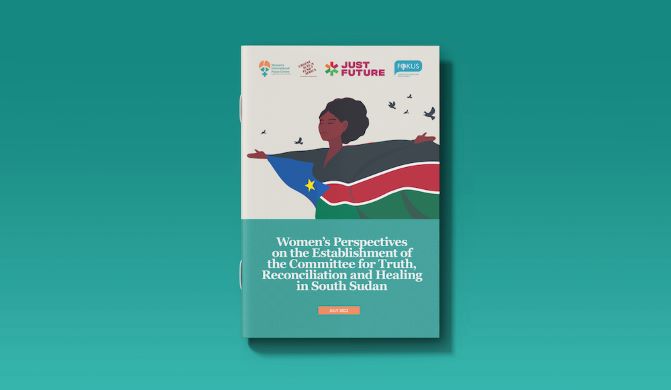
From 20th to 25th June 2022, The Peace Centre conducted a training for 41 young women leaders from Wau, Yei, and Juba in South Sudan under the theme: “Young Women as Champions of Peace Building”, including youth leaders in the informal sector, young women leaders with disabilities, Civil Society youth leaders, political parties, academia, and female journalists.

Major topics of discussion included; Understanding peace and security in South Sudan, climate change and its dimensions in S.Sudan, documenting, reporting from a gender and women, peace and security lens, sexual reproductive health, and understanding feminist digital activism as an advocacy action plan.

During the training, participants were guided to share on the status of WPS in their communities. Key issues raised included increased gang violence, rape that is perpetuated by soldiers, weak laws on Gender Based Violence and the economic situation causing frustration in people among others.

Participants were also introduced to UN Security Council Resolution 1325 which emphasises the important role of women in the prevention and resolution of conflicts and in peace-building initiatives

It was noted that South Sudan is subject to International, continental and domestic frameworks such as; the African Charter on Human and People’s Rights on Rights of women in Africa (MAPUTO Protocol), AU Solemn Declaration on Gender Equality in Africa, Intergovernmental Authority of Development to mention but a few whose commitments she needed to respect. This however has not been the case as evidenced by the level of insecurity in the country.

The training also highlighted climate change and its impacts such as food insecurity and famine, displacements, excercabation of poverty as major causes of instability in the country thus solutions had to be found to combat the escalating problem.

Other topics of discussion included leadership skills, financial literacy skills, wellness and self-care sessions.

From the training, the young women developed action plans focusing on addressing issues of early child pregnancies/marriages; Child labor and street children, and inaccessibility of Sexual Reproductive Health Rights for women living with disabilities which were to be implemented in their various communities based on the knowledge acquired.

Southern Voices Network for Peacebuilding Regional Policy Conference

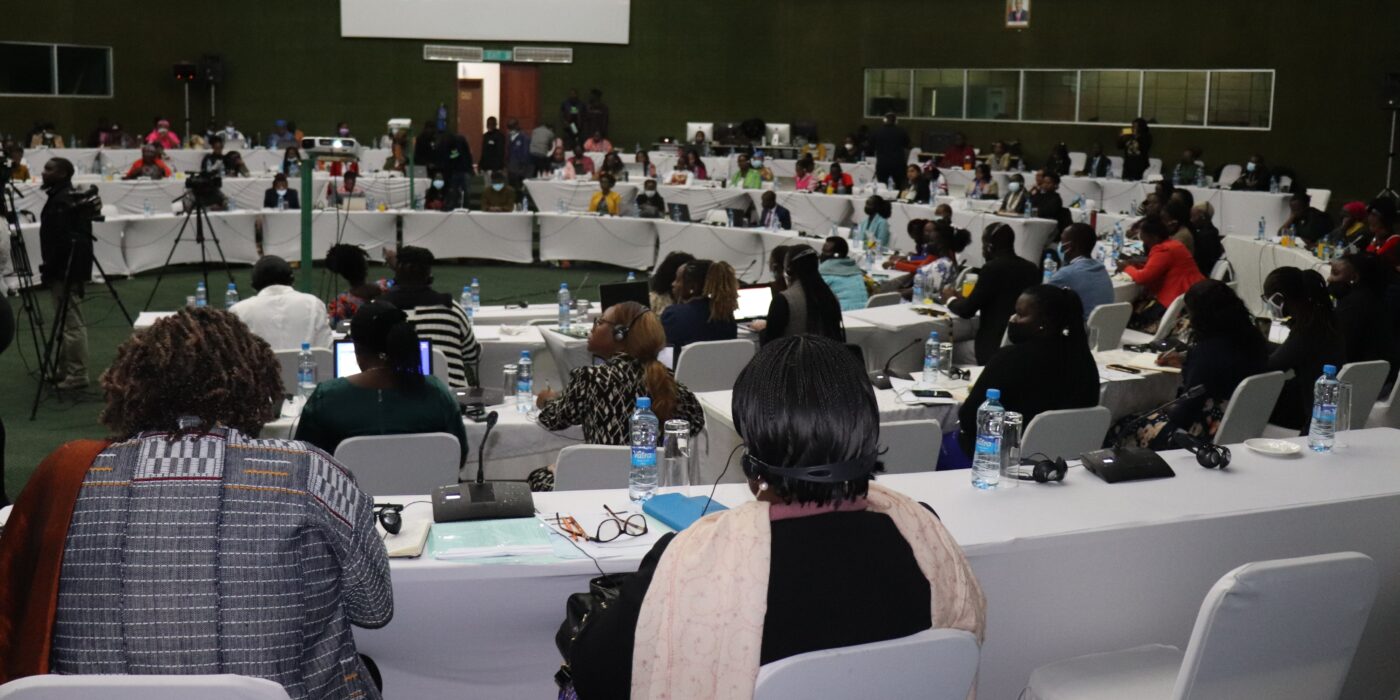
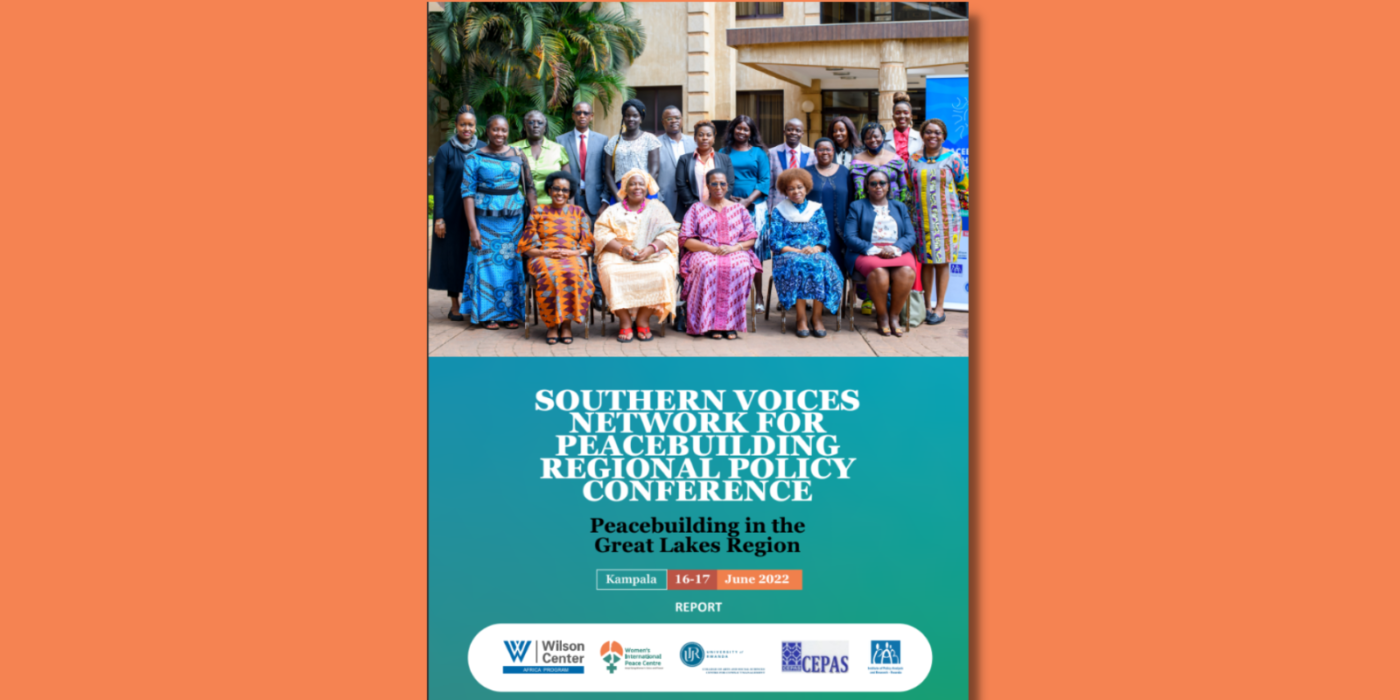
This regional conference was organized as a collaboration between the Great Lakes Region of African members of the Southern Voices Network for Peacebuilding (SVNP), under the auspices of the Woodrow Wilson International Centre for Scholars Africa Program.

The conference planning, organization and implementation was led by the Women’s International Peace Centre (The Peace Centre), the Centre d’Etudes pour l’Action Sociale (CEPAS), the Institute of Policy Analysis and Research (IPAR-Rwanda) and the Centre for Conflict Management (CCM) of the University of Rwanda.

Download the Report here: Southern Voices Network for Peacebuilding Regional Policy Conference

Young Women Refugee Inclusion in Peacebuilding in Uganda

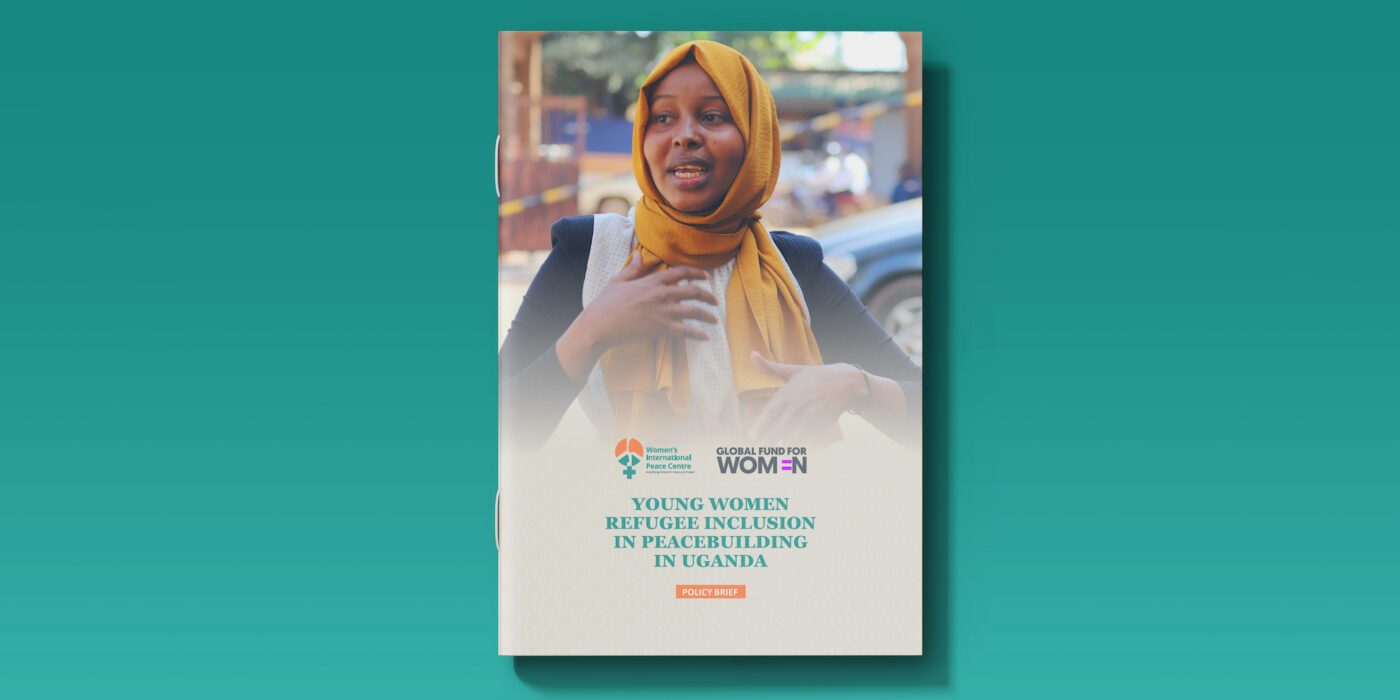
This policy brief is based on the the findings of the assessment on young refugee women’s participation in peacebuilding processes (The Peace Centre, 2021). The analysis reveals low participation of young refugee women in peacebuilding due to low levels of education and thus affecting their positioning in leadership. This policy brief argues that to ensure young refugee women’s participation in decision-making, there is a need for government and all humanitarian actors to promote refugee women’s leadership and participation in decision-making in humanitarian and recovery efforts through the strategic engagement of women leaders and women’s organisations.

Download the Policy brief here: Young Women Refugee Inclusion in Peacebuilding in Uganda_Policy Brief (1)

Promoting Peace, Security and Justice: Experiences and Lessons from Civil Society Organisations in Burundi, the Democratic Republic of Congo and South Sudan

This 53rd edition of Women’s World highlights the experiences, good practices, and lessons learned by the Just Future civil society partners in Burundi, the Democratic Republic of Congo (DRC), and South Sudan advancing inclusive peace, people-centred security, and access to justice.

From Burundi, we share the peacebuilding experience of L’association des Femmes Rapatriés du Burundi (AFRABU) a women-led non-governmental organisation focused on strengthening access to justice for women, youth, and vulnerable groups. The DRC write-up presents the experiences, achievements, challenges, and lessons learned in the role played by civil society organizations (CSOs) such as Reseau pour la Réforme du Secteur de Sécurité et Justice (RRSSJ) in the implementation of security sector reform processes. The article also proposes recommendations likely to mitigate the obstacles that undermine the effectiveness of the envisaged reforms. The work of SOS- Information Juridique Multisectorielle (SOS-IJM) and Dynamique Des Femmes Juristes (DFJ) in the implementation of legal clinics in North and South Kivu in the DRC offers key lessons on legal aid services for alternative dispute resolution in a complex conflict-affect context dealing with multiple challenges within the judicial system.

The experience of Eve Organisation for Women Development in South Sudan offers good practices to consider when working with the security sector, to address sexual and gender-based violence and conflict-related sexual violence of the South Sudan Law Society illuminates the critical role of civil society in advocating for transitional justice and their involvement in the implementation.

Womens’ World 53_English

Regional Policy Conference on Peacebuilding in the Great Lakes

Countries in the Great Lakes Region (GLR) such as DRC, Rwanda, Uganda, Burundi, Central African Republic and South Sudan have been prone to conflict for several decades, and have witnessed some of the worst conflicts on the African continent. Among these are the genocide in Rwanda, civil war in Burundi and South Sudan, conflict in Sudan (Darfur), cross-border conflict in the Democratic Republic of the Congo (DRC), and, more recently, sectarian conflict in Central African Republic (CAR).

Based on the recognition that political instability and conflicts in these countries have a considerable regional dimension and thus require a concerted effort in order to promote sustainable peace and development, the International Conference on the Great Lakes Region was established. Read More “Regional Policy Conference on Peacebuilding in the Great Lakes”

National Multi Stakeholder’s Advocacy Dialogue on Peacebuilding in Refugee and host communities

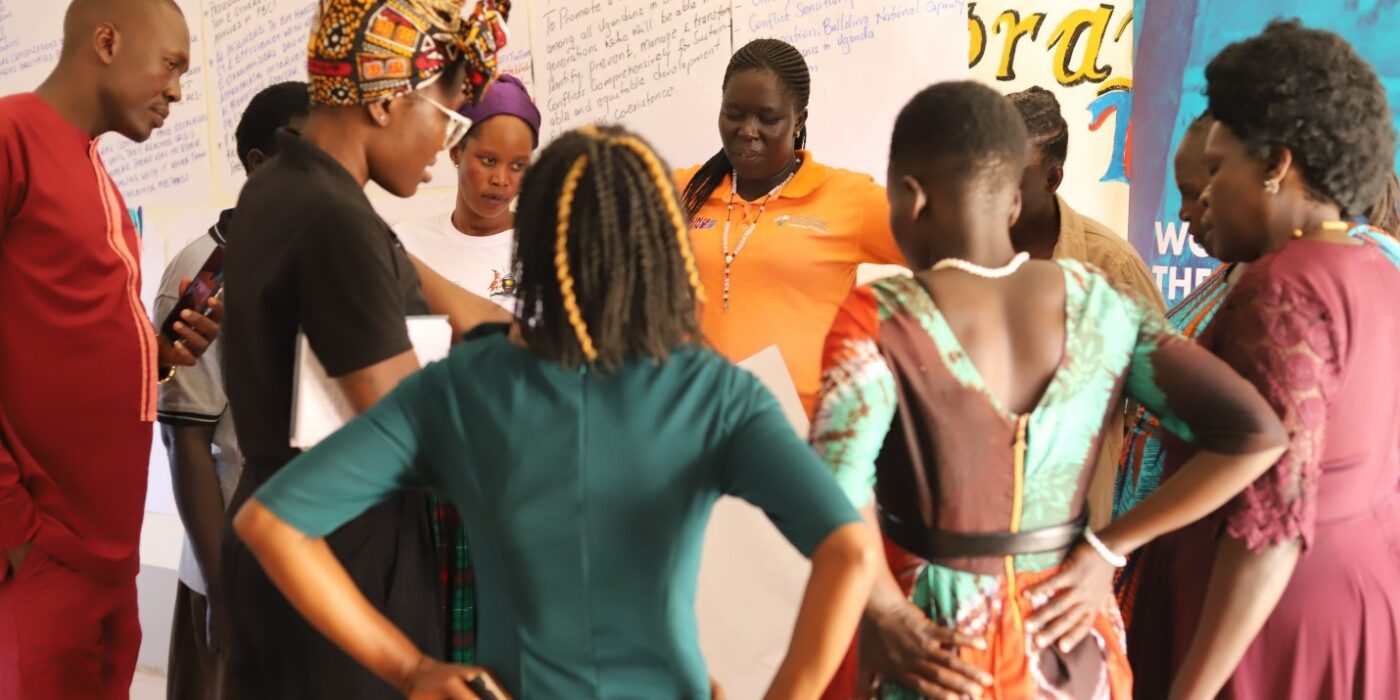
Women’s International Peace Centre has been implementing a project Leading voices; strengthening capacities for Sexual and Gender-Based Violence prevention and peace building in Uganda with funding from the Women Peace and Humanitarian Fund (WPHF) in partnership with the EU-funded Spotlight Initiative and received technical support from the United Nations Entity for Gender Equality and the Empowerment of Women (UN Women).

The project strengthened the leadership capacity and influence of local women leaders and women groups across refugee settlements and host communities at Sub County level in Adjumani district. It aimed at bringing them to work together to address gender-based violence, women’s specific peace and security concerns as well as effectively influence peace building and decision-making processes to advance gender equality in humanitarian settings using SASA Together methodology.

As the programme comes to an end, the Peace Centre convened a one-day multi-stakeholders dialogue under the theme “Refugee women at the forefront of peacebuilding” on 2nd June 2022 with a total of 47 stakeholders (35 females and 12 males) in Kampala.

The dialogue sought to share insights on best practices, discuss emerging priorities, and take stock of achievements in the previous years as well as highlight key Women Peace and Security issues from the host communities and refugee/humanitarian contexts.

The meeting facilitated learning among the Community Activistsas they shared experiences of handling GBV and identified areas of synergy & partnership among key actors including; representatives from Adjumani refugees and host communities; Adjumani District Local Government, urban refugees from Kampala national level stakeholders, Office of the Prime Minister and CSOs working in humanitarian settings.

According to Ms Isabella Bwire from the Women’s Peace & Humanitarian Fund, women also strengthen the economy when they play an active role in the resolution of conflicts.

“Women enhance the impact of humanitarian support and reduce extremism and its spread,” She said, “However even when their role in peace processes is recognised, they receive very little recognition and financial resources for their work.” Bwire added.

She, therefore, encouraged the formation of partnerships that support programmes which ensure commitments to Women, Peace and Security; advocate for gender equality, and influence peace and security processes through multi-stakeholder coordination, monitoring and accountability frameworks. This way, there will be increased meaningful participation, leadership and protection of women in peace and security as well as strengthened gender-responsive institutional capacity in peacebuilding, peace-making, peacekeeping, and prevention of conflict.

By the close of the meeting, policy recommendations were put forward for follow-up/adoption by different stakeholders. These included the expansion and support of policy programmes and strategies that promote gender equality and social norms to address the root causes of Gender Based Violence by all stakeholders.

Amplifying Young Women’s Voice and Power in Peacebuilding Processes through Feminist Leadership Institute 2022

Recognising the importance of having women in positions of leadership and the critical role they play in efforts to promote stable and lasting peace, the Peace Centre conducted its Feminist Leadership Institute for 21 young women leaders from Burundi, Democratic Republic of Congo (DRC), South Sudan and Uganda.

The training was organised as a refresher training following an initial one that had been held in August 2022.

Conducted from 6th to 9th June 2022 under the theme; “Amplifying Young Women’s Voice and Power in Peace Building”,  the training aimed at enhancing
capacities of young women leaders as change agents in peace building and social transformation.

Participants noted that since the training in 2020, they had used the knowledge and skills they acquired to establish organisations, contest for political leadership and published articles about their leadership journeys, among others.

The Leadership Institute therefore deepened the young women’s understanding of the Women, Peace and Security agenda including National Action Plans; Peace and Conflict Management; Early Warning and Early Response; as well as their ability to organise collectively for instance on social media through feminist digital activism.

The training enhanced the capacities of the young women leaders to promote and protect their rights, and to use resolutions to hold duty bearers accountable and find peaceful solutions to conflicts in their communities.