Monthly meetings with women leaders and monitors and the District Peace Committee.

The Peace Centre hosted monthly meetings with the District Peace Committee members from 24 th September – 3 rd October, 2020. A total of 15 women leaders, male and female monitors and data analysts were mobilized to attend the meetings in Arua, Kapelybong and Kassanda.

The meetings convened at sub county level aimed at sharing documented early warning incidences and the impact of COVID 19 on women and electoral processes for discussion and action by the Committee.

The District Peace Committees were established as a part of the Conflict Early Warning and Early response mechanism (CEWERU).

Transforming Power to Put Women at the Heart of Peacebuilding

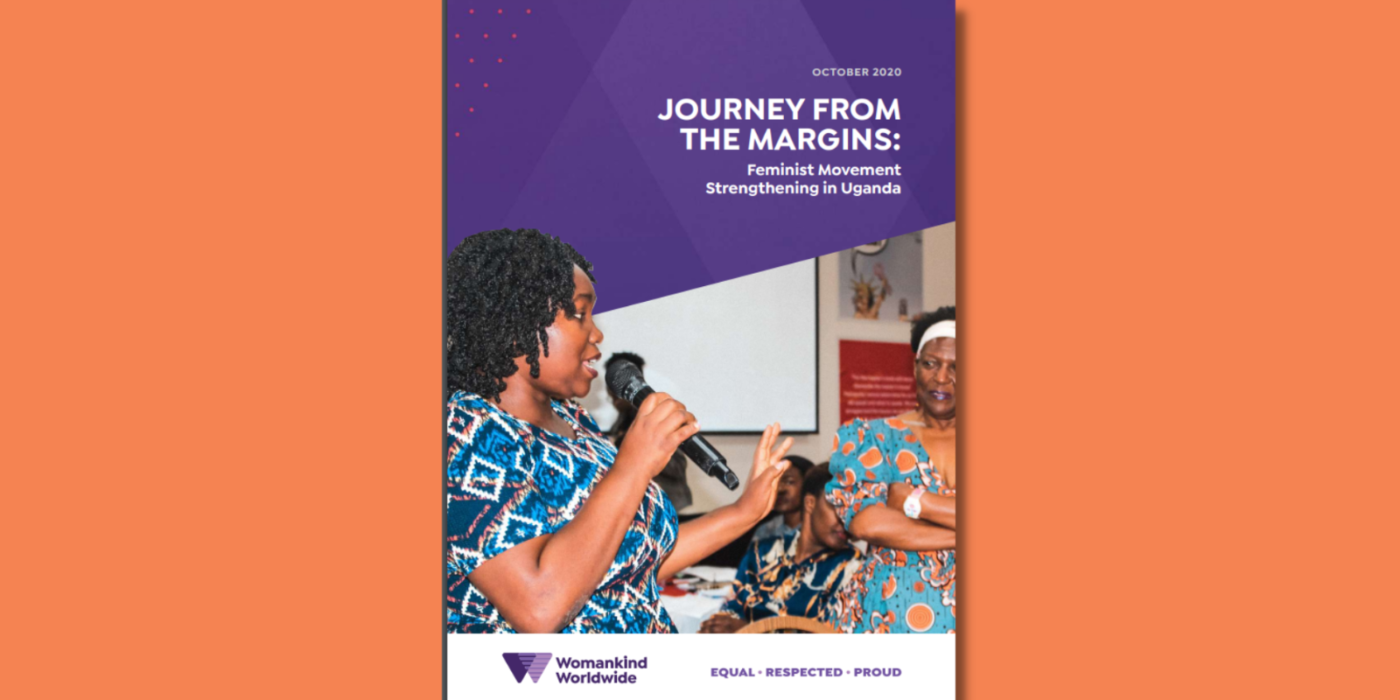
This discussion paper brings together three regional essays commissioned to explore what needs to happen. What needs to happen to ‘transform power’ to women and communities most affected by crises and conflict so that they shape the decisions that affect their lives? What would a feminist peace and security agenda look like? The essays illustrate how transformative change rarely comes from within the system; rather, it often comes from outside: from disruption by protest, and from women’s, youth, local and grassroots movements.


International Day of Peace

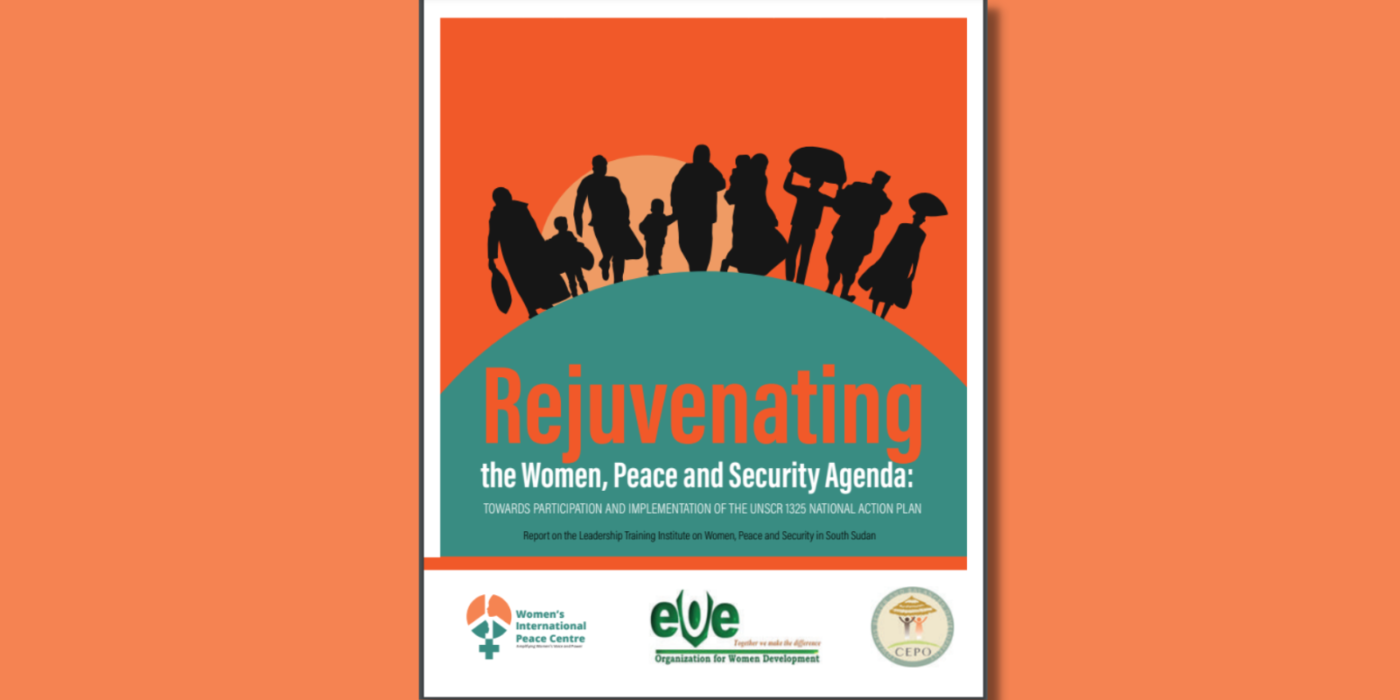
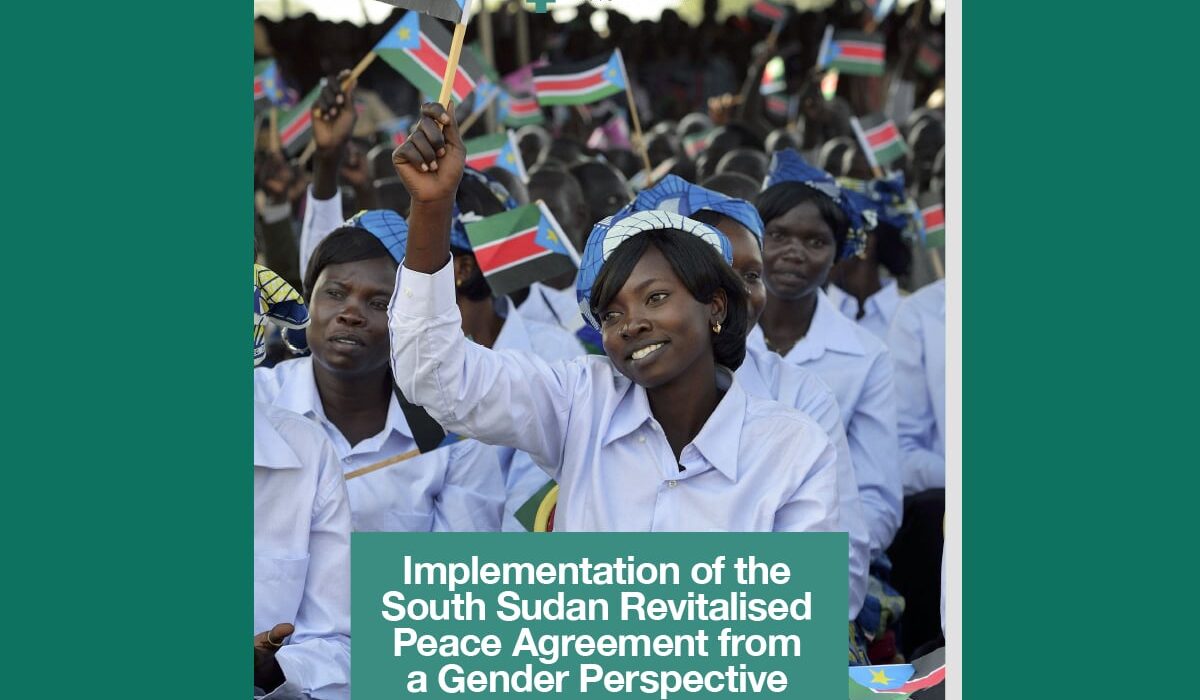
The Peace Centre partnered with the South Sudan Ministry of Gender, Child and Social Welfare and Centre for Inclusive Governance, Peace and Justice (CIGPJ) to mark International Day of Peace with a talk show on South Sudan Broadcasting Corporation TV on 21st September 2020 reflecting on important roles of women in sustaining peace, the status of and opportunities for women’s (including young women’s) participation in peacebuilding and national development.

The discussion highlighted progress and gaps in government efforts, including in the implementation of the 2015-2020 National Action Plan on UNSCR 1325 and the revitalized peace agreement. It also highlighted the contributions of young women to peace and nation-building; including advocating for the R-ARCSS to be implemented and for their inclusion in decision-making processes, opportunities for ensuring women’s leadership in political parties and public institutions, and closed with calls to action.

.

Training of Refugee Women Leaders as Mediators in Advocacy for Conflict Prevention and Peacebuilding.

The Peace Centre trained 78 refugee women in December 2019 and they have participated in the formal and informal decision making forums for peace. To further strengthen their skills. The trainings enhanced the capacity of 90 peace mediators; 40 in Yumbe from 7th to 9th September 2020 and 35 in Adjumani from 10th to 12th September 2020 and 15 in Kotido from 19th to 21st August 2020.

During the training the 75 women peace mediators discussed what they did with the skills they obtained during the mediation training in December 2019, with demonstrations on how they handled the conflict cases and they were guided. The training also focused more on advocacy for conflict prevention and peace building, OPM community based service department took participants through the referral pathway, new action plans were developed and participants went out to implement.  The 15 participants in Kotido included community development officers whose involvement in peace building has been low since they had never been targeted with peace building initiatives yet are key if peace is to be realized.    

Training of Analysts to Examine Data and Produce Monthly Reports

The conflict early warning and early response system has been lacking an effective monitoring and reporting of conflict incidences right from the grassroots. To strengthen the early response and reporting system, The Peace Centre trained 46 Conflict Analysts (8 males and 38 females) that is 16 in Kotido from 16th to 18th August 2020, 15 in Adjumani from 24th to 26th August 2020 and 15 in Yumbe from 2nd to 4th September 2020.  Participants were equipped with knowledge and skills on Uganda’s conflict early warning and early response mechanism. Read More “Training of Analysts to Examine Data and Produce Monthly Reports”

Training of District Peace Committees

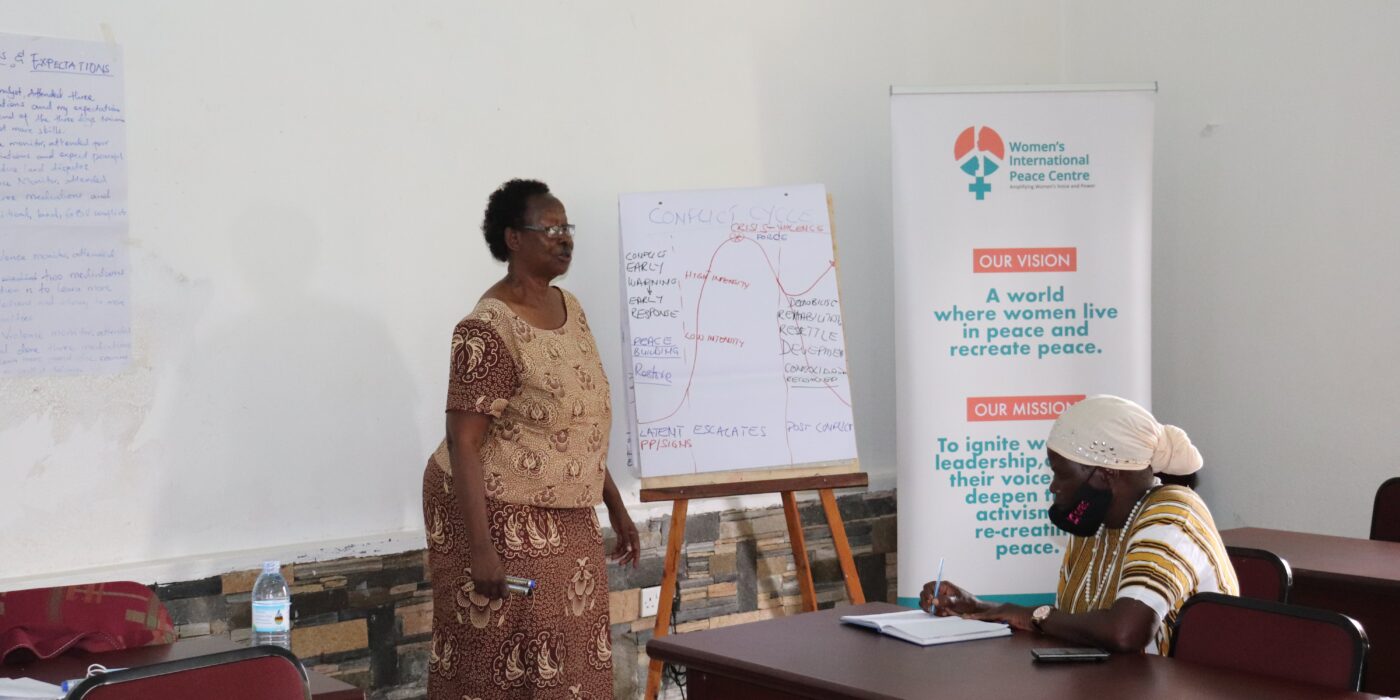
The Peace Centre this week trained 66 District Peace Committee members (46 males and 20 females) to play their peace building role more effectively while mainstreaming gender and embracing conflict early warning and early response mechanisms at District level. This was carried out through  three trainings sessions organized by the Peace Centre for 60 District Peace Committee members in Kotido, Adjumani  and in Yumbe where 2 days were allocated to each District with 20 participants each.

The Conflict Early Warning and Early Response system that Uganda is using provides for peace structures at National, District, Sub County, Parish and Village level but on ground the committees were not fully functional and lacked understanding on their mandate. The trainings focused on IGAD, Conflict Early Warning and Response Mechanism (CEWARN) background, mandate, activities and role of District peace committee, frameworks and methods of conflict early warning, formation of local peace structures, engendering the conflict early warning and early response system at District level. As the peace structure mandated to coordinate peace initiatives at District level, the committee now have a better understanding on their role, operations, mainstreaming gender in peace building, conflict early warning and early response system and pledged to utilise the skills gained in their peace building work.

Official opening by the RDC Adjumani

Transitional Justice In Northern Uganda; Citizen’s Perspectives

Between January and June Women’s International Peace Centre with and partners International Center for Transitional Justice-Uganda, African Youth Initiative Network (AYINET), Refugee Law Project (RLP), The Uganda Association of Women Lawyers (FIDA-Uganda) partnered with TRAC FM to collect real-time data from citizens using polls on the themes of the transitional justice policy. Through an interactive radio campaign, citizens discussed their conflict experiences, the lingering impact of human rights violations, efforts of government and other actors and appropriate measures for recovery, reconciliation and redress for victims and war-affected communities moving forward.

The purpose of this report is to share data and present citizens’ views and recommendations related to transitional justice to inform action by all stakeholders including government institutions, traditional and religious institutions and civil society.

Healing Through Rituals: A Guide for Sustaining Wellbeing and Activism

COVID-19 has introduced different ways of working, connecting, relating and being. How do we adjust to this new world order and still enjoy the work that we do? How do we avoid burning out caused by isolation and overload of social media? COVID-19 has made us realise that we need to build a new sense of practice. Read More “Healing Through Rituals: A Guide for Sustaining Wellbeing and Activism”

Women Changing the Face of HIV&AIDS and Building Peace.

In June, The Peace Centre concluded a 5-year project in partnership with Akwenyutu People Living with HIV/AIDS (APHAS) in conflict-affected North-eastern Uganda. The project aimed to build the resilience of women and enable them transfer the acquired skills and competences in livelihood boosting and peace building to the community.

This reflective report titled ‘Women Changing the Face of HIV&AIDS and Building Peace’ highlights the project impact, lessons learnt and the future plans for the group.