Girls Leadership Camp; Promoting adolescent sexual and reproductive health rights in Otubet primary school, Amuria District
For millions of young people around the world, the onset of adolescence brings not only changes to their bodies but also new vulnerabilities to human rights abuses, particularly in the arenas of sexuality, marriage and childbearing.
Millions of girls are coerced into unwanted sex or marriage, putting them at risk of unwanted pregnancies, unsafe abortions, sexually transmitted infections (STIs) including HIV, and dangerous childbirth. Yet too many adolescents face barriers to reproductive health information and care. Even those able to find accurate information about their health and rights may be unable to access the services needed to protect their health.

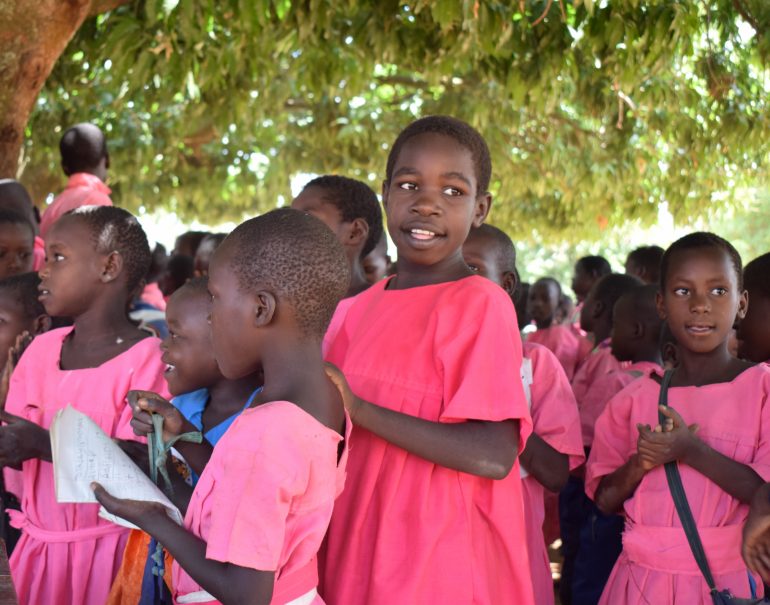
In partnership with Akwenyutu People Living with HIV&AIDS (APHAS), we conducted a 2-day Girls Leadership camp reaching out to 128 girls helping them to recognize and avert risks and improve their reproductive health. The girls were trained in understanding their bodies, HIV&AIDS, stigma & discrimination, positive living, knowing/understanding their menstrual cycle, menstrual hygiene and making Re-usable sanitary pads.
School-based sexual and reproductive health (SRH) education is one of the most important and widespread ways to help adolescents to recognize and avert risks and improve their reproductive health. Schools are the primary institutions able to reach a majority of adolescents, while also having an impact at the community level. They have the infrastructure, the tools and the staff trained to teach. In many developing countries teachers assume an important role in the community, while also serving as role models to many adolescents. By providing reproductive health programmes early, schools encourage the formation of healthy sexual attitudes and practices.

Suzan Nkinzi, Research, Monitoring and Evaluation Officer handing over materials to the senior lady (Ms. Iraut Rebecca) and the Head teacher (Mr. Edeu Richard)