Pushed to the Periphery; The Necessity of Women’s Innovation in Activating Post Conflict Reconstruction

This report provides an analysis of the extent to which post conflict reconstruction efforts in Burundi, Liberia and Sierra Leone have implemented national commitments for women’s participation in conflict management, post conflict reconstruction and rehabilitation processes, as provided for in UNSCR 1325. Based on semi-structured interviews and focus group discussions with women’s activists, the research considered diverse expressions of femininity that speak to notions of “peace” in terms of local women’s groups contribution to bringing peace in all 3 countries, their experiences and knowledge were not taken into account in the post conflict phase neither were they considered key actors that could contribute effectively to post conflict reconstruction.
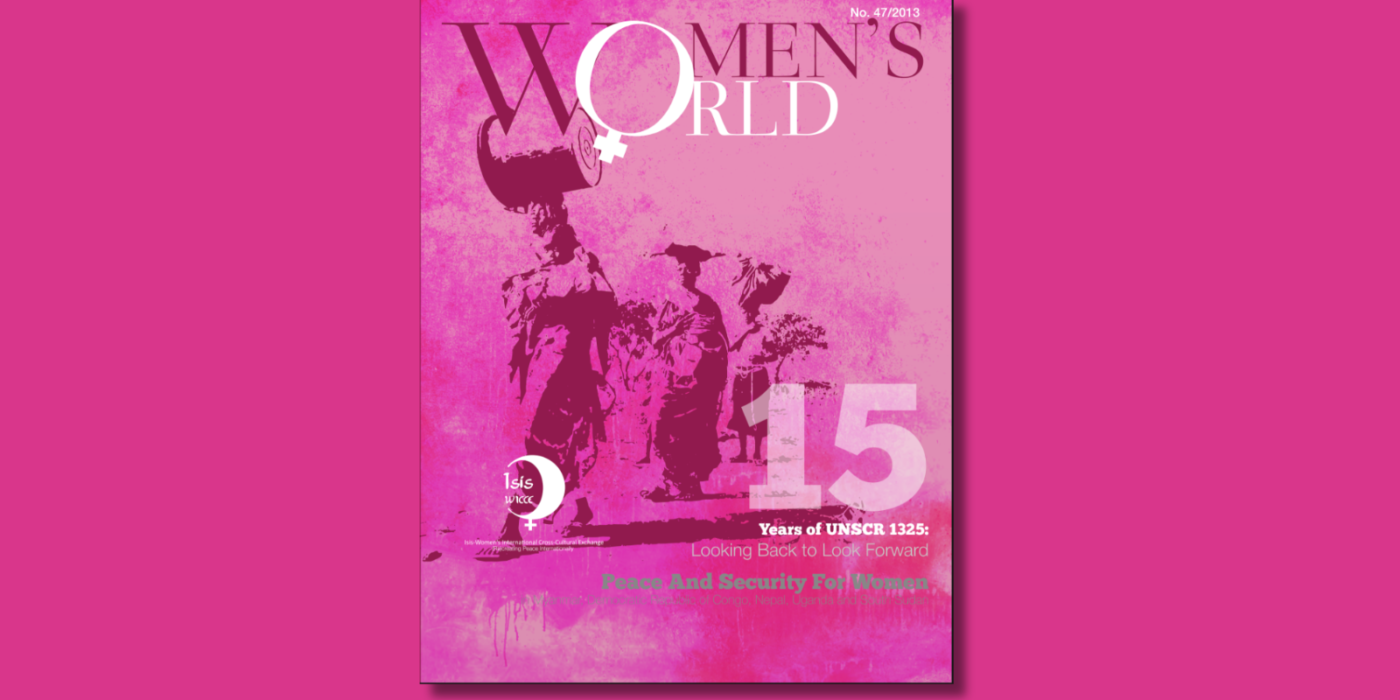
15 Years of UNSCR 1325: Looking Back to Look Forward

This issue of Women’s World magazine assesses the implementation of the UN Security Council Resolution (UNSCR) 1325 after 15 years, using case studies from Myanmar, the Democratic Republic of Congo (DRC), Nepal, South Sudan, and Uganda.

Background of UNSCR 1325

  • UNSCR 1325 was unanimously adopted in October 2000 and recognized the imperative of a gender perspective in peace and security discourse, addressing the disproportionate impact of conflict on women and girls, and ensuring their participation in peace processes.
  • The resolution is underpinned by four pillars:
    • Prevention: Focusing on reducing conflict and all forms of violence against women.
    • Participation: Ensuring women and their interests are included in peace and security decision-making.
    • Protection: Focusing on women’s safety, mental and physical health, and economic security.
    • Relief and Recovery: Focused on women’s specific needs in conflict and post-conflict situations.

Key Findings on Implementation

  • Progress and Achievements: Various legal and policy frameworks have been established to promote UNSCR 1325, along with local mechanisms to prevent and punish sexual and gender-based violence (SGBV).
  • Gaps and Obstacles:
    • Lack of political will and insufficient or no resource allocation for implementation.
    • Continued prevalence of SGBV and lack of access to justice for women, especially when perpetrators are security officers or political party members.
    • Poor health service provision, unaddressed mental and sexual health needs, and post-conflict recovery interventions that marginalize women’s concerns.
    • Weak coordination and lack of accountability mechanisms to enforce effective implementation.

The magazine aims to inform action by governments and discussions as the post-2015 development agenda is mapped out.

Download Publication here: Women’s World Magazine 47 English (1)

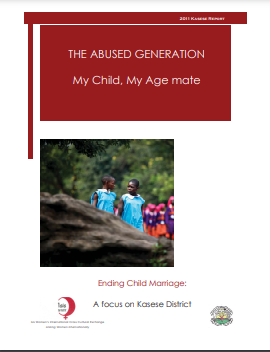
The Abused Generation; My Child, My Agemate

The report documents Isis– WICCE’s annual Peace Exposition that was held in Kasese in 2011 that focused on ending child marriage in the district. It provided a space for different stakeholders to speak out strongly against the practice of marrying off young girls before the age of 18 that has for long existed in Kasese district. It is a practice that has cast a dark shadow over the future and lives of many young girls.

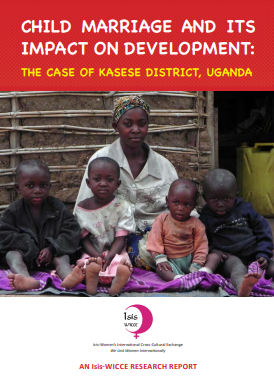
Child Marriage and its Impact on Development; A Case of Kasese District

Child marriage has continued to be one of the major factors affecting the achievement of development indices and targets in Uganda. This report presents the findings of the study on “Child Marriage and its impact on Development” which was carried out in Kasese district (Western Uganda) in two counties; Busongora North.

The study provides the needed information on the problem of child marriage and its socio economic impact on the society. It directly shows that young children should instead be nurtured for development programmes and progress of society.  Involving the child mothers and fathers at every stage of development calls for looking at the issue of child marriage with holistic lenses; especially ensuring that victims and survivors get self esteem, and are provided with means to enhance their well being. It is therefore a loud reminder to policy makers, parents, cultural leaders, religious leaders and the whole community to be part of the great strides Isis-WICCE is taking to end child marriage and restore self worth in the affected that have lost hope in the future. An abused generation cannot contribute to future progress.

Strengthening Women’s Potential in Leadership and Peace Building

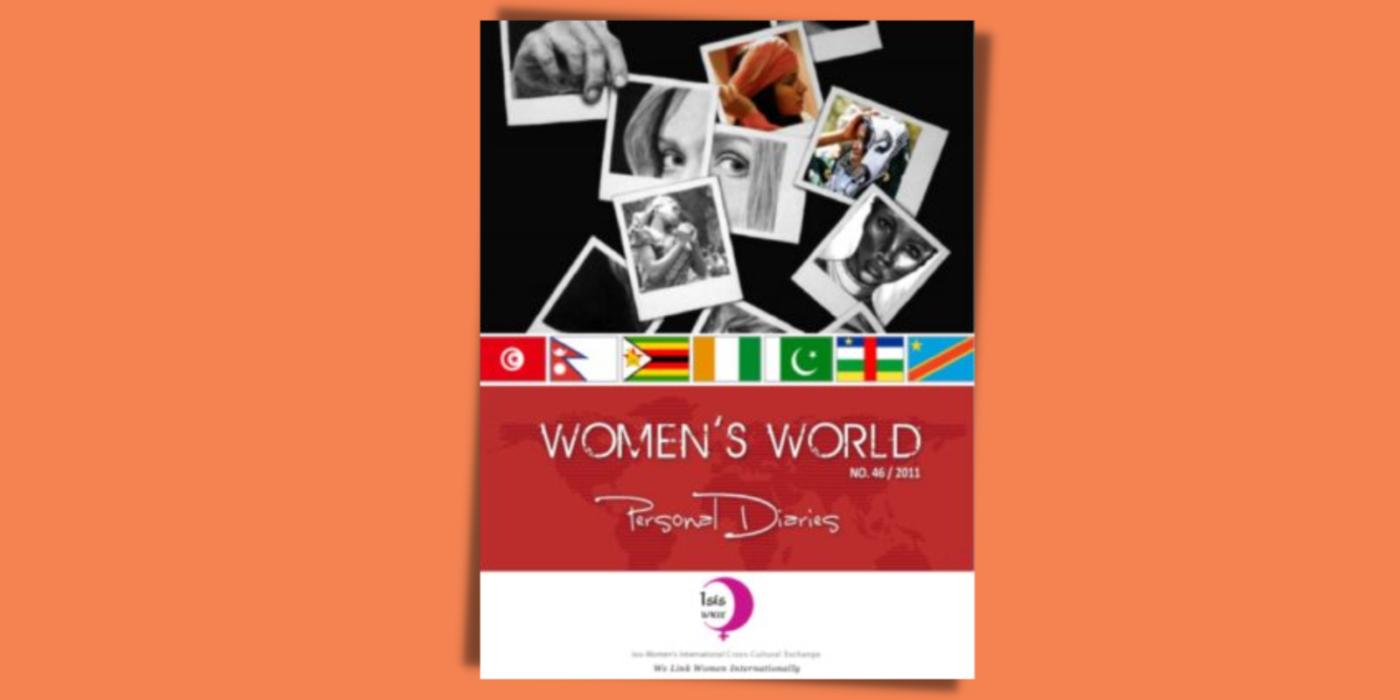
This 45th Issue features ordeals of sexual and gender-based violence of women from countries still experiencing conflict. The articles published in this issue were extracted from a collection of personal stories and testimonies of global feminist leaders who participated in Isis-WICCE 2011/12 Institute. The personal diaries detail encounters of SGBV committed on individuals or particular members of the community, often with devastating effects; psychological trauma and a pure denial of self-esteem on the survivors.

We hope that the articles in this volume will act as an International diary for women who are willing to share their experiences as victims of SGBV. We also hope that their resilience can provide encouragement and learning for other survivors’ worldwide to demand justice.

Womens-World-personal diaries

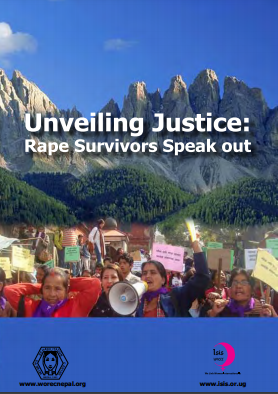
A Report on Access to Justice for Rape Survivors in Nepal, 2007-2010.

The report examines the extent to which survivors of rape and sexual violence access justice in Nepal as well as the response mechanisms that are in place to address the concerns of rape survivors. The study covered the 10 districts of Morang, Dhanushs, Kailali, Udayapur, Kavrepalanchowk, Kathmandu, Baglung, Dailekh, Dolakha and Darchula.

The findings show that the reporting and documentation of rape cases is still very marginal. An average of 443 cases in a year reflects a high prevalence ofrape if systems were conducive for survivors to report. The analysis further indicates that rape is deeply entrenched national problem that transcends class, caste, ethnicity, age, economic, educational, geographical and religious status.

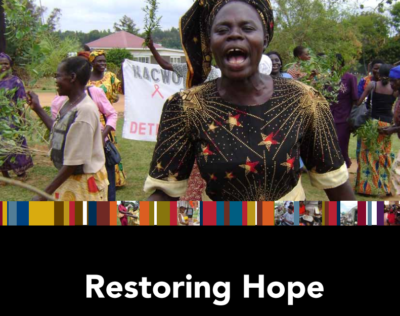
Restoring Hope in their Own Voices; Addressing the Intersection Between GBV and HIV&AIDS in Conflict and Post Conflict Situations in Africa

Situations of conflict perpetuate sexual and gender-based violence as women are forced and coerced into relationships and raped, which consistently abuses their dignity and exposed them to sexually transmitted diseases including HIV and AIDS. In this book, Isis-WICCE publishes a collection of post-conflict communities in Liberia, Uganda and Zimbabwe. These stories of resilience and hope show that it is possible for women living with HIV&AIDS in post-conflict communities to make a difference in their lives and their immediate communities when they are given the means for empowerment.

Restoring Hope in their Own Voices


Management of Medical and Psychological Effects of War Trauma

Isis-WICCE, using its action-oriented approach noted the urgent need for the development of a standardized locally adapted training manual for use to train operational level health workers working in areas affected by armed conflict. This manual builds on the experiences of medical interventional work carried out by Isis-WICCE to bridge health gaps in post conflict communities. The prototype of this manual was pre-tested among health workers based in Kitgum district and among psychiatric clinical officers drawn from various war affected districts of Uganda, with their comments and suggestions considered in its revision.